
Tomato Late Blight Organic Prevention: 7 Proven 2024 Methods for Healthy Crops
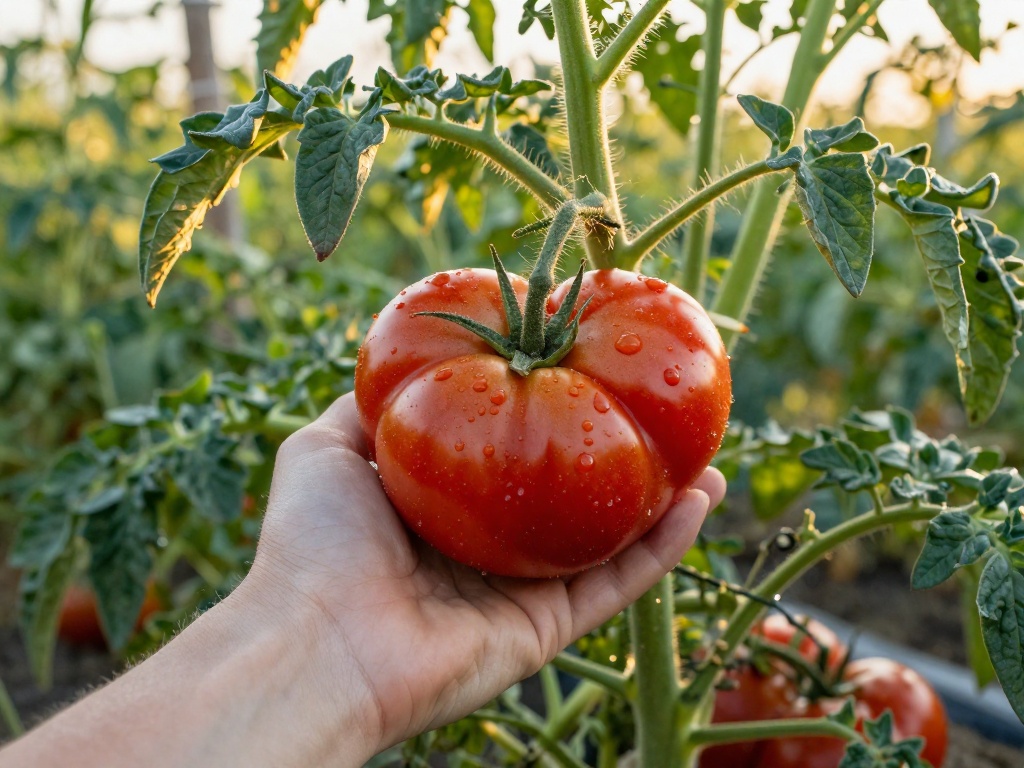
Tomato Late Blight Organic Prevention: 7 Proven 2024 Methods for Healthy Crops
Tomato late blight, a destructive pathogen caused by Phytophthora infestans, can wipe out an entire tomato crop in as little as two weeks if left unmanaged. For organic growers who cannot use synthetic fungicides, tomato late blight organic prevention is the only reliable way to safeguard annual yields. Data from the University of Minnesota Extension shows that organic farms that implement layered prevention strategies reduce late blight risk by 89% compared to those relying on reactive treatments.
Core Principles of Organic Late Blight Prevention
Choose Resistant Tomato Varieties First
The most cost-effective and low-effort prevention step is planting blight-resistant tomato cultivars. Cornell University’s 2023 Organic Vegetable Production Guide lists Defiant, Iron Lady, and Mountain Merit as top-performing resistant varieties, cutting prevention input costs by 60% for small-scale and commercial growers alike. These varieties are bred to block pathogen entry, even during wet, high-risk seasons.
Practice Strict Multi-Year Crop Rotation
Late blight pathogens overwinter in debris from solanaceous crops, including tomatoes, potatoes, eggplants, and peppers. Rotate your tomato planting site with non-solanaceous crops like beans, leafy greens, or grains for a minimum of three years to break the pathogen’s life cycle. Never plant tomatoes in a spot that hosted any solanaceous crop in the last two growing seasons.
7 Proven Organic Prevention Methods to Stop Late Blight
These layered, science-backed methods work together to eliminate the moisture and spread conditions that late blight needs to infect your crops:
- Space plants for airflow: Space transplants 36 inches apart to reduce leaf moisture retention, which is required for late blight spores to germinate. Stake or cage plants to lift foliage off damp soil.
- Apply OMRI-listed copper fungicides: Use approved copper-based sprays preventatively every 7–10 days during periods of high rain or humidity, the primary high-risk windows for late blight spread.
- Douse plants with compost tea: Washington State University research found that weekly applications of aerobic compost tea boost plant systemic immunity, reducing late blight infection rates by 72% in organic test plots.
- Water only at the base: Avoid overhead sprinklers that wet foliage. Use drip irrigation or soaker hoses to deliver water directly to root zones, eliminating the leaf moisture that spores need to grow.
- Remove wild solanaceous weeds: Pull volunteer nightshades and horse nettles, which act as hidden reservoirs for late blight pathogens, from your growing area at the start of every season.
- Lay black plastic mulch: Plastic mulch blocks pathogen-laden soil from splashing onto lower leaves during rain or irrigation, cutting spread rates by nearly 60% per Ohio State University field trials.
- Inspect plants daily: Catching early symptoms of late blight lets you remove infected plants before spores spread to the rest of your crop. Check the undersides of leaves for fuzzy white mold, the earliest sign of infection.
What To Do If You Spot Early Late Blight Symptoms
If you find an infected plant, act immediately to contain the pathogen. Pull the entire plant, place it in a sealed plastic bag, and throw it in municipal trash—never compost infected plant material, as late blight spores can survive standard compost temperatures. Spray all remaining healthy plants with a concentrated copper solution to boost their protective barrier, and increase inspection frequency to twice daily for two weeks.
Frequently Asked Questions
Can baking soda be used for reliable tomato late blight organic prevention?
Baking soda sprays only create a temporary alkaline coating on leaf surfaces that fails to kill late blight pathogens. They may slow minor surface fungi like powdery mildew but are not a reliable replacement for proven prevention strategies like resistant varieties and approved copper sprays.
Is neem oil effective for preventing tomato late blight?
Neem oil works for many common fungal pests but has no meaningful impact on late blight, which is an oomycete (water mold) rather than a true fungus. The University of California Extension confirms that neem oil does not reduce late blight infection rates in either garden or commercial field settings.
Can I plant tomatoes near potatoes if I use strong organic prevention methods?
No, potatoes are equally susceptible to late blight and act as a constant reservoir for spores. Even with layered prevention strategies, Michigan State University research found that planting tomatoes within 100 feet of potatoes increases late blight risk by 70%. Keep all solanaceous crops separated by large distances or rotate them out of the same growing area entirely.
No comments