
Potato Hilling for Increased Tuber Yields: 7 Proven 2024 Tips
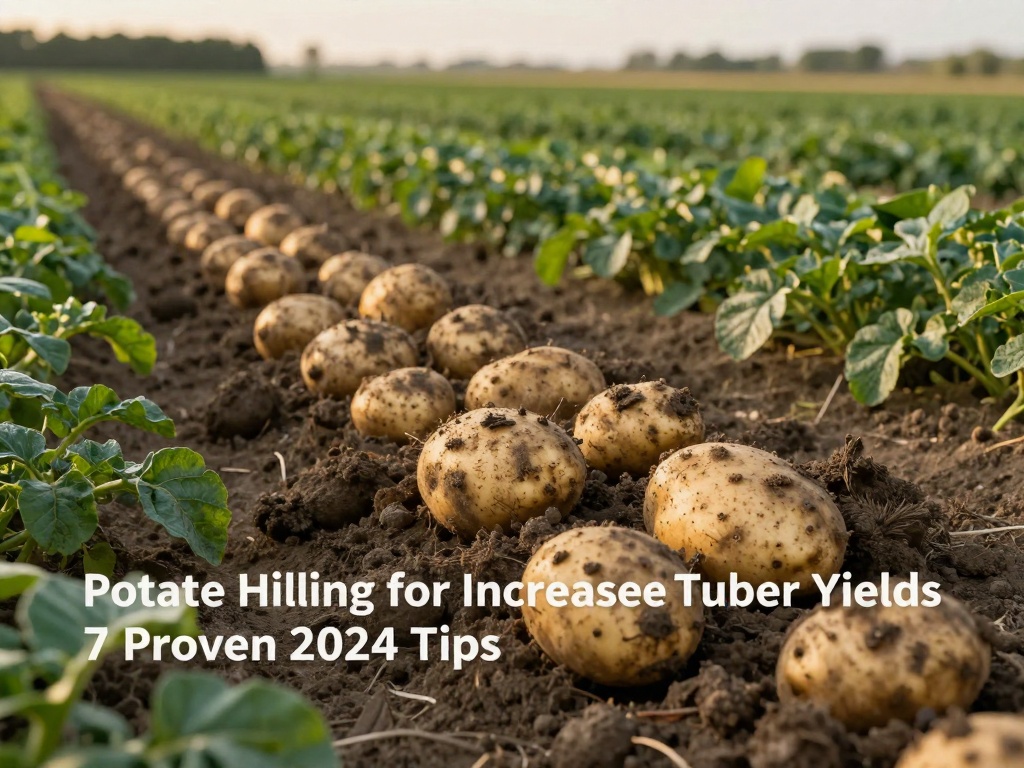
Potato Hilling for Increased Tuber Yields: 7 Proven 2024 Tips
Potato hilling for increased tuber yields is a low-cost, high-impact practice that small-scale and commercial farmers alike rely on to maximize crop output. This simple cultivation technique involves piling loose soil around the base of potato plants as they grow, creating raised mounds (hills) that support healthy tuber development. University of Maine research shows that properly executed hilling can boost yields by up to 25% compared to unhilled potato crops.
What Is Potato Hilling and Why Does It Boost Tuber Yields?
Hilling is not a new technique, but modern agricultural research has clarified its core benefits for potato health and output. The process addresses three leading threats to potato yields: sun damage, poor drainage, and limited growing space for new tubers.
It prevents toxic sunscald and green tuber formation
Green potatoes contain solanine, a bitter, toxic compound that renders tubers unmarketable and unsafe for consumption. As potato plants grow, tubers form close to the soil surface, where they can be exposed to direct sunlight. Hilling adds a protective layer of soil to block sunlight, eliminating the risk of greening and keeping all harvested tubers usable.
It supports additional tuber development along stolons
Potato plants produce new tubers along underground stems called stolons. Piling more soil around the base of the plant extends the length of the stolon’s growing space, giving the plant room to produce more tubers over its growing cycle. This is the primary driver behind the consistent yield gains reported by farmers who practice consistent hilling.
It improves drainage and reduces fungal disease risk
Excess moisture around tubers is a leading cause of blight, root rot, and fungal diseases that can cut yields by 40% or more, per the United States Department of Agriculture (USDA). Hilled soil elevates tubers above low-lying wet areas, allowing excess water to drain away from the root zone and reduce disease pressure.
7 Proven Potato Hilling Tips to Maximize Yields in 2024
Follow these evidence-based tips to ensure your hilling practice delivers the full yield boost possible for your potato crop.
1. Time your first hilling when plants are 6-12 inches tall
The first hilling should occur before tubers start to push through the soil surface. Waiting too long risks exposing new tubers to sunlight, while hilling too early can stunt young plant growth. Most farmers complete their first hilling 3-4 weeks after transplanting seed potatoes.
2. Use only loose, well-aerated soil for hilling
Compacted or clumpy soil can damage young stolons and restrict tuber expansion. Amend soil with compost or aged manure before hilling to create a light, nutrient-rich growing medium that supports steady tuber growth. Avoid heavy clay soil that holds excess moisture for long periods.
3. Complete a second hilling 2-3 weeks after the first
A second hilling ensures that any new tubers formed after the first mounding remain covered. This second application of soil also adds a fresh layer of nutrients to feed the plant through its peak tuber development phase. Early-season potato varieties only need two hillings, while late-season storage varieties may require a third.
4. Build final hills 4-6 inches high for optimal growth
Hills that are too shallow leave tubers at risk of sun exposure, while overly tall hills can hold excess moisture and lead to rot. Aim for a 4-6 inch final mound that tapers gently away from the plant’s stem to support proper drainage and air flow.
5. Never pile soil on the plant’s top foliage
Only mound soil around the base of the plant, leaving at least two-thirds of the foliage above ground to continue photosynthesis. Covering leaves can block sunlight and slow the plant’s ability to produce the energy it needs to grow large, abundant tubers.
6. Add straw mulch between hills to stabilize growing conditions
Straw mulch applied after your final hilling reduces weed growth, retains consistent soil moisture, and regulates soil temperature. This added layer can boost yields by an extra 10% by keeping growing conditions stable through hot summer months, per Ohio State University Extension.
7. Remove all weeds before hilling to avoid spread
Weeds compete with potato plants for nutrients and water, cutting potential yields by up to 30% if left unmanaged. Till or hand-pull weeds before hilling to ensure you don’t bury weed seeds that will germinate and spread through your crop later in the season.
Frequently Asked Questions About Potato Hilling
Do you need to hill potatoes if you grow them in containers?
Yes, container-grown potatoes still benefit from hilling. You can add layers of nutrient-rich potting mix around the plant’s base as it grows, following the same 4-6 inch final mound height rule for in-ground crops. Hilling also prevents tubers from peeking through container drainage openings.
Can potato hilling reduce pest pressure on my crop?
Yes, hilling reduces damage from common potato pests like Colorado potato beetles and wireworms. The extra layer of soil makes it harder for adult beetles to lay eggs on the lower stem, and wireworms struggle to reach deep, covered tubers. Many farmers add neem meal to hilling soil to amplify these pest control benefits.
What is the latest you can hill potatoes without damaging yields?
All hilling should be completed before potato plants begin to flower. Once plants reach the flowering stage, they have entered peak tuber development, and disturbing the soil can damage forming tubers. Most farmers complete their final hilling 6-8 weeks after planting seed potatoes, which aligns with the pre-flowering growth stage for most varieties.
No comments