
10 Permaculture Backyard Design Ideas for a Sustainable Garden
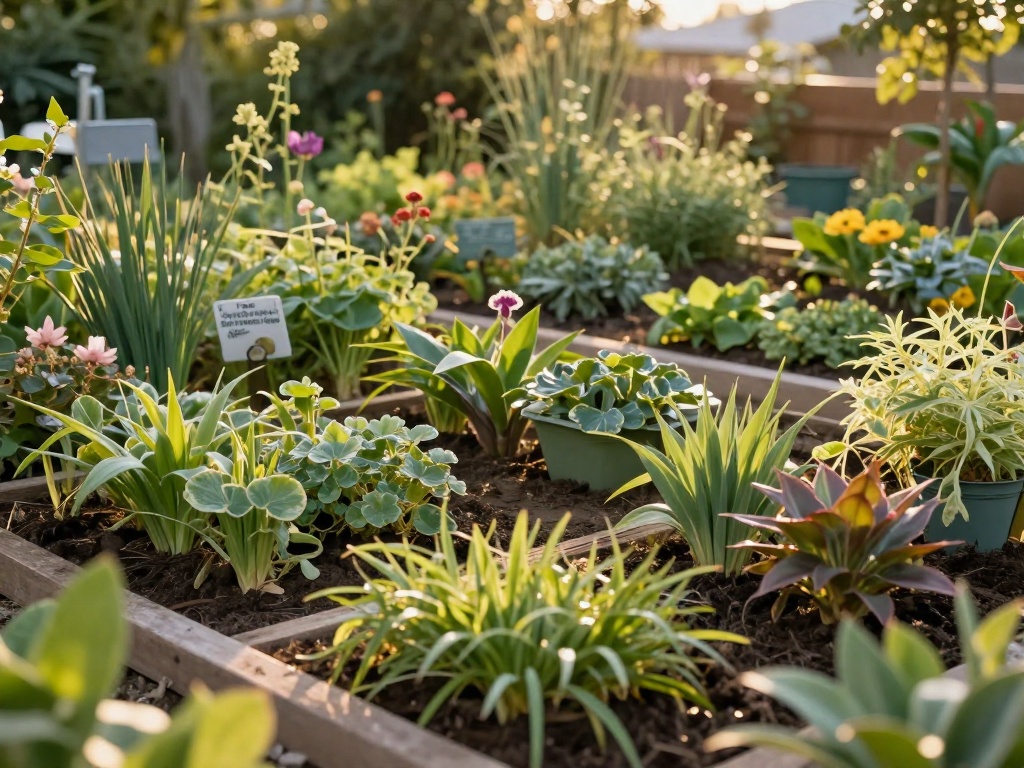
10 Permaculture Backyard Design Ideas for a Sustainable Garden
Permaculture backyard design offers a transformative approach to creating productive, low-maintenance outdoor spaces that work in harmony with nature. By applying permaculture principles, homeowners can transform ordinary backyards into thriving ecosystems that produce food, support wildlife, and reduce environmental impact. This comprehensive guide explores proven permaculture backyard design strategies that help you create a resilient, self-sufficient garden that flourishes year after year.
What is Permaculture Backyard Design?
Permaculture backyard design applies holistic design principles inspired by natural ecosystems to residential outdoor spaces. The term combines "permanent" and "agriculture," reflecting the goal of creating self-sustaining systems that require minimal external inputs. Unlike conventional gardening, permaculture backyard design focuses on mimicking nature's patterns, using every element strategically, and maximizing beneficial relationships between plants, animals, and environmental features.
A well-designed permaculture backyard integrates edible plants, water management systems, wildlife habitats, and productive zones into a cohesive whole. This approach reduces reliance on store-bought fertilizers, pesticides, and extensive manual labor while increasing yields and biodiversity. Whether you have a small urban plot or several acres, permaculture principles scale effectively to transform any space.
Core Ethics of Permaculture Design
Every permaculture backyard design rests on three foundational ethics: earth care, people care, and fair share. Earth care emphasizes nurturing healthy soil, water, and biodiversity in your outdoor space. People care ensures your garden meets household needs for food, recreation, and wellbeing. Fair share encourages sharing surplus resources with your community through donations, seed swaps, or educational outreach.
The 7 Key Permaculture Principles for Your Backyard
1. Observe and Interact
Successful permaculture backyard design begins with careful observation of your site throughout seasons and weather cycles. Spend time mapping sun patterns, wind directions, drainage patterns, and existing vegetation before implementing changes. Understanding your land's unique characteristics prevents costly mistakes and reveals opportunities for strategic placement of garden elements.
Document your observations using photographs, journals, or detailed maps to identify microclimates and problem areas. South-facing walls create warm microclimates ideal for tender plants, while low-lying areas might naturally collect rainwater for swale placement. This patient approach transforms initial planning into a more accurate, effective design.
2. Catch and Store Energy
Integrate rainwater harvesting systems throughout your permaculture backyard design to capture and store precious water resources. Rain barrels, swales, and pond systems collect water during wet periods for use during dry spells, reducing water bills and environmental strain. Strategic placement of thermal mass elements like stone walls or water tanks helps regulate temperatures throughout growing seasons.
Solar energy collection through panels or passive solar design reduces household energy consumption while supporting electric garden tools and lighting systems. By storing energy in multiple forms—water, heat, biomass, and electricity—your backyard becomes increasingly self-reliant and resilient.
3. Obtain a Yield
Practical permaculture backyard design ensures every zone produces tangible benefits for your household. Prioritize high-yield, low-maintenance crops like tomatoes, beans, squash, and herbs that provide substantial harvests with minimal effort. Fruit trees, berry bushes, and perennial vegetables offer increasing returns year after year as systems mature.
Document yields from each zone annually to identify most productive elements and opportunities for expansion or modification. Successful permaculture systems generate food, medicine, fiber, fuel, and fodder while building soil fertility and ecosystem health.
4. Apply Self-Regulation and Feedback
Regular assessment of your permaculture backyard design helps identify underperforming elements and successful strategies requiring expansion. Keep simple records tracking planting dates, harvest amounts, pest problems, and weather impacts to refine future decisions. Systems that require constant intervention may need redesigning, while thriving elements deserve replication across your space.
Accept that some experiments will fail—these provide valuable learning opportunities for future improvements. Permaculture embraces iterative design, where each season builds upon previous knowledge and successes.
5. Use Renewable Resources
Minimize fossil fuel dependencies in your permaculture backyard design by prioritizing human-powered and animal-powered systems. Manual tools, compost toilets, and wind-powered water pumps reduce ongoing costs while lowering environmental impact. Integrate chickens, ducks, or goats to provide natural pest control, fertilization, and recycling of kitchen scraps.
Close resource loops by converting waste streams into valuable inputs—garden trimmings become compost, fallen leaves become mulch, and rainwater becomes irrigation. These cycles reduce external inputs while building soil health and garden productivity.
6. Produce No Waste
Thoughtful permaculture backyard design views waste as a resource awaiting appropriate application. Kitchen scraps feed compost systems that generate rich soil amendments for garden beds. Pruning's become trellises, stakes, or kindling rather than landfill contributions. Even "weeds" serve functions as dynamic accumulators, ground cover, or wildlife habitat.
Design systems where outputs from one element become inputs for others—chicken manure fertilizes fruit trees, fallen fruit feeds pigs, and pig manure enriches compost piles. This interconnected approach eliminates waste while creating productive abundance.
7. Design from Patterns to Details
Begin permaculture backyard design by understanding large-scale patterns before addressing specific element placement. Sun movement, wind flow, water drainage, and access routes establish fundamental spatial organization. Once patterns are established, detailed placement of individual elements follows naturally and effectively.
Common pattern elements include concentric zoning radiating from your home, keyline systems following land contours, and guild plantings mimicking forest edge ecosystems. These proven patterns provide starting frameworks that you customize to your unique site requirements.
Essential Elements of Permaculture Backyard Design
Zone Planning System
Organize your permaculture backyard design into concentric zones radiating outward from your home for efficient management. Zone 0 encompasses your home itself, including indoor herb windowsills and composting areas. Zone 1 includes frequently visited areas like kitchen gardens, cold frames, and propagation stations requiring daily attention.
Zone 2 contains perennial systems like fruit trees, larger animal enclosures, and compost facilities visited several times weekly. Zone 3 holds production areas for market crops or larger animal enterprises requiring weekly management. Zone 4 becomes semi-wild managed woodland or rangeland, while Zone 5 represents natural wilderness areas left mostly undisturbed.
Guild Plantings
Create productive guilds by combining complementary plants that support each other's growth and productivity. A classic fruit tree guild includes the central tree, nitrogen-fixing companions, ground cover plants, and pest-repelling aromatics. These mutually beneficial combinations reduce maintenance while increasing yields and ecosystem resilience.
Successful guilds might include apple trees surrounded by comfrey, clover, and daffodils, or citrus with nasturtiums, herbs, and nitrogen-fixing legumes. Research regional guild combinations suited to your climate zone and preferred crops for best results.
Food Forest Establishment
Integrate food forest elements into your permaculture backyard design for long-term, low-maintenance food production. Food forests mimic natural woodland structures with multiple canopy layers—from tall nut trees through fruit trees, berry shrubs, herbaceous plants, and ground covers. This layered approach maximizes production per square foot while creating beneficial microclimates.
Begin with fast-growing pioneer species to establish canopy quickly, then gradually introduce longer-lived trees that will eventually form the permanent structure. Ground covers prevent erosion, suppress weeds, and fill empty spaces productively until slower-growing elements mature.
10 Practical Permaculture Backyard Design Ideas
1. Keyhole Garden Beds
Construct keyhole garden beds for efficient composting and planting in compact spaces. These circular raised beds include a central composting basket allowing nutrients to leach directly into surrounding soil. The keyhole-shaped access path enables reaching all planting areas without stepping on beds, maintaining soil structure.
Keyhole beds work excellently for intensive vegetable production, herbs, or annual crops requiring rich, well-fed soil. Their contained design also simplifies water management and makes excellent use of limited backyard areas.
2. Hugelkultur Mounds
Build hugelkultur beds using buried woody debris to create long-lasting, self-watering growing areas. Large logs and branches decompose underground, holding moisture like sponges while slowly releasing nutrients to adjacent plants. These raised beds warm quickly in spring, extend growing seasons, and improve drainage in wet areas.
Hugelkultur fits particularly well into permaculture backyard design for slope stabilization, creating productive beds from yard waste, and establishing perennial plantings like fruit trees or berries.
3. Greywater Recycling System
Install simple greywater systems redirecting sink and shower water to irrigate ornamental or food plants. Mulch-covered trenches distribute water throughout planted areas, avoiding pooling while allowing natural filtration through soil. Avoid connecting greywater systems to toilets or using harsh cleaning products that could harm plants or soil biology.
Properly designed greywater systems can supply 30-50% of landscape irrigation needs, significantly reducing water consumption while recycling household waste into garden productivity.
4. Herb Spiral Installation
Construct herb spirals creating multiple microclimates within a small footprint for diverse culinary and medicinal herb production. These vertical structures create warm, dry conditions at the top and cooler, moister environments at the base, accommodating plants with vastly different requirements in close proximity.
Herb spirals work beautifully in permaculture backyard design near kitchens for convenient harvesting. Position commonly used culinary herbs like basil and rosemary at accessible heights while wild medicinals occupy less convenient spots.
5. Chicken Tractor Integration
Use chicken tractors for mobile, focused pest control, soil preparation, and fertilization throughout your garden. These lightweight bottomless enclosures move weekly across beds, allowing chickens to scratch through soil, consume pests, and deposit rich manure before you replant.
Chicken tractors work excellently for preparing new garden areas, cleaning up spent crops, and processing compost materials. Their mobile nature prevents overgrazing while distributing benefits evenly across your permaculture backyard design.
6. Vertical Growing Systems
Maximize limited space with vertical growing structures like trellises, arbors, and living walls. Vining crops like beans, cucumbers, andsquash produce abundantly when trained upward rather than sprawling across ground. Trellised plants also suffer fewer disease problems from improved air circulation and easier harvesting.
Living walls using pocket planters or repurposed pallets accommodate herbs, strawberries, or salad greens in minimal ground space. These vertical elements add visual interest while dramatically increasing productive capacity.
7. Small Pond Construction
Add water features to your permaculture backyard design for wildlife habitat, irrigation water storage, and beneficial insect breeding sites. Even small ponds create valuable microclimates, attracting frogs, dragonflies, and birds that provide natural pest control throughout your garden.
Include marginal plants filtering pond water while providing habitat and sometimes edible harvests. Ponds also serve aesthetic and recreational purposes, creating peaceful focal points for contemplation and relaxation.
8. Composting Station Setup
Establish dedicated composting stations enabling systematic recycling of garden and kitchen waste into valuable soil amendments. Multiple bins allow continuous composting with different stages of decomposition simultaneously. Tumbling composters speed decomposition for impatient gardeners while stationary bins accommodate larger volumes.
Position composting stations conveniently within your permaculture backyard design—close enough for easy access but far enough from living spaces to avoid odor concerns. Covered systems prevent nutrient leaching while maintaining favorable decomposition conditions.
9. Pollinator Garden Creation
Designate areas specifically for pollinator support with native flowering plants blooming throughout growing seasons. Bees, butterflies, and beneficial insects dramatically increase fruit and vegetable yields while requiring no maintenance once established. Native wildflowers, herbs allowed to flower, and flowering cover crops all support these essential creatures.
Cluster pollinator plants in sunny locations near vegetable gardens for maximum benefit to food production. Avoid pesticides that harm pollinators and provide bare ground or stem bundles for overwintering habitat.
10. Perennial Food Borders
Border your permaculture backyard design with perennial food plants requiring minimal maintenance while providing reliable harvests. Edible hedging using fruit bushes, nut trees, or perennial vegetables creates productive boundaries defining garden spaces while producing food for decades.
Consider combinations like rhubarb, asparagus, and berry bushes along fences or property edges. These permanent plantings reduce annual planting requirements while building soil health and ecosystem complexity over time.
Common Mistakes in Permaculture Backyard Design
Many beginning permaculture backyard design projects fail through overambitious initial planning that exceeds available time and resources. Start small, succeed, and expand gradually rather than attempting comprehensive transformation immediately. Master basic systems before adding complexity that might overwhelm management capacity.
Neglecting soil building undermines long-term productivity in permaculture backyard design. Healthy soil—teeming with beneficial organisms—delivers the foundation for thriving plants and abundant harvests. Invest heavily in compost, mulch, and cover crops during establishment years to build lasting fertility.
Ignoring site observation leads to inappropriate element placement and system failures. Understanding sun exposure, drainage patterns, and wind exposure prevents costly relocation of trees, gardens, or structures later. Take at least one full year observing your site before major implementation.
Seasonal Maintenance for Permaculture Backyards
Spring tasks in permaculture backyard design include planting, building new elements, and harvesting early crops while preparing for growing seasons ahead. Summer focuses on maintenance, succession planting, and water management during peak demand periods. Fall brings harvest activities, bed preparation for winter, and seed saving from mature plants.
Winter offers opportunities for planning, tool maintenance, infrastructure construction, and learning through courses or reading. Each season provides unique tasks supporting system health and productivity. Successful permaculture backyard design incorporates these seasonal rhythms into long-term management strategies.
FAQ
How much space do I need for permaculture backyard design?
Permaculture backyard design works in spaces from small balconies to rural acreage. Urban permaculture focuses intensively on vertical growing, container systems, and community resource sharing. Even a 10x10 foot patio can produce significant herbs, greens, and small vegetables through thoughtful design and high-density planting.
How long does it take to establish a permaculture backyard?
Initial design and establishment typically spans 1-3 years depending on site conditions and available time. Systems reach maturity and full productivity within 5-10 years as perennial plants establish and soil health develops. However, permaculture backyard design provides harvests from early stages while systems mature.
Is permaculture backyard design expensive to implement?
Permaculture backyard design can start very inexpensively using salvaged materials, propagated plants, and volunteer labor. Many elements like hugelkultur beds and sheet mulching require primarily time and effort rather than financial investment. Costs increase with scale and ambition, but permaculture principles emphasize using available resources creatively.
Can I convert an existing conventional garden to permaculture?
Existing gardens adapt readily to permaculture backyard design principles without starting from scratch. Begin by assessing current elements and their functions, then gradually incorporate missing components. Sheet mulching transforms lawn areas into productive beds while established plants provide immediate structure for new designs.
What are the best beginner permaculture plants?
Easy-start permaculture plants include perennial vegetables like rhubarb, asparagus, and Jerusalem artichokes alongside hardy fruit trees such as apples and pears. Herbs like mint, lemon balm, and chives establish quickly while providing culinary and medicinal value. Nitrogen-fixing plants like clover, vetch, and comfrey build soil while supporting nearby crops.
No comments