
Turnip Seeding for Winter Livestock Forage: 7 Proven 2024 Tips
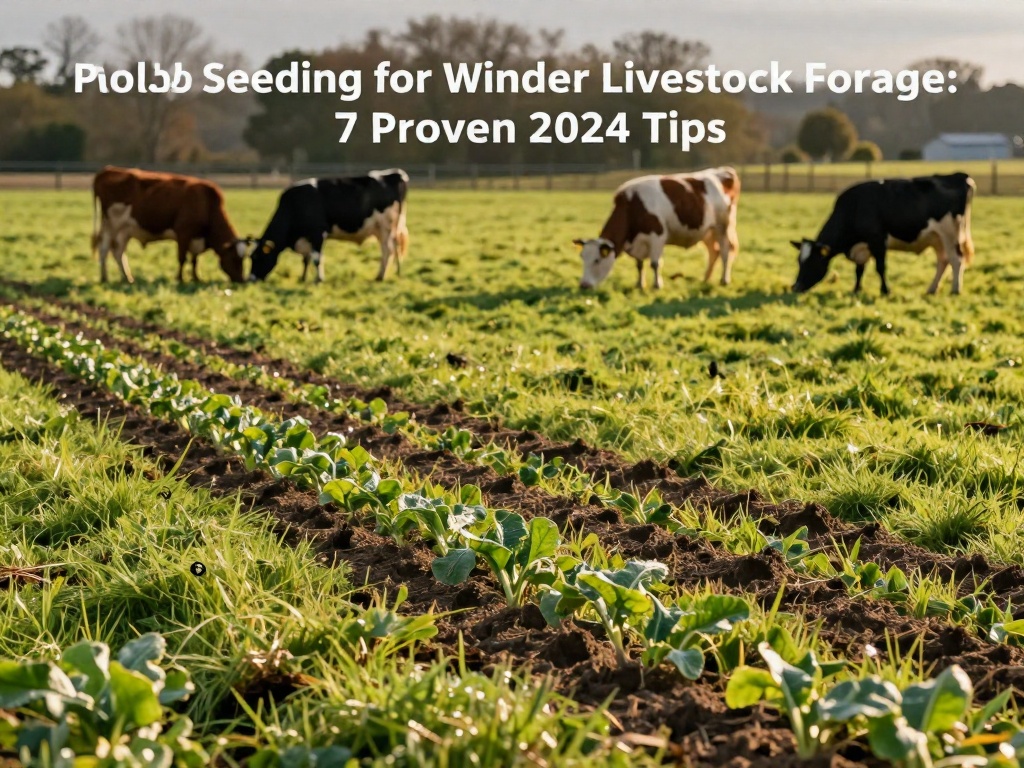
Turnip Seeding for Winter Livestock Forage: 7 Proven 2024 Tips
Turnip seeding for winter livestock forage is a fast-growing, cost-effective strategy for small and large-scale livestock farmers across North America. University of Illinois Extension data shows turnips produce up to 20 tons of dry forage per acre, enough to feed 10 adult cows for 30 days. They establish quickly, tolerate cool fall temperatures, and provide high-protein feed that extends grazing season by 4-6 weeks for most herds.
Why Turnips Are Ideal for Winter Livestock Forage
High Nutritional Value for Herd Health
Turnips deliver 15-25% crude protein, far higher than average grass hay which clocks in at 8-12% crude protein, per USDA Agricultural Research Service data. The leafy tops and bulbous roots are both edible, so farmers get full use of every plant. They also contain key minerals like calcium and phosphorus that support milk production in dairy cows and consistent weight gain in beef cattle.
Fast Establishment for Late-Season Seeding
Unlike many forage crops that require 90+ days to mature, turnips reach full grazing readiness in just 60-75 days after seeding. That makes them perfect for planting after a summer grain harvest, like wheat or oats, to maximize land use efficiency. They can survive light frosts, and their nutrient content remains high even after multiple hard freezes, extending grazing into late November or early December in most temperate regions.
7 Proven Tips for Successful Turnip Seeding
1. Time Seeding to Align With Winter Grazing Needs
To time your seeding correctly, count back 70 days from your area’s average first frost date, advises Ohio State University Extension. That gives turnips enough time to mature before consistent cold weather sets in, so they’re fully grazeable when you need to move herds off summer pastures. For most USDA zones 4-7, that means seeding between mid-July and late August.
2. Prepare a Firm, Well-Nourished Seedbed
Turnips need a firm, well-drained seedbed with a soil pH between 6.0 and 7.0 to thrive. Conduct a soil test 3 months before seeding to add lime if your soil is too acidic, and work in 50-60 pounds of nitrogen per acre to support leafy growth. Avoid over-tilling, as loose soil can lead to poor seed-to-soil contact and low germination rates.
3. Plant at the Correct Seeding Rate
For pure stand turnip seeding, use 2-3 pounds of seed per acre if you’re drilling, or 3-5 pounds per acre if you’re broadcasting seed. Drilling seed at a depth of ¼ to ½ inch delivers the highest germination rates, as broadcasting can lead to seeds being washed away or eaten by birds before they sprout. If you’re mixing turnips with other forage crops like oats or rye, reduce the turnip seeding rate to 1-2 pounds per acre.
4. Manage Weeds to Protect Young Seedlings
Turnip seedlings are vulnerable to weed competition in their first 30 days of growth. Use a pre-emergent herbicide labeled for forage crops before seeding, or mow weeds immediately after planting to reduce competition. Rotate turnip fields every 2 years to avoid building up soil-borne diseases that can damage future crops.
5. Start Grazing at the Right Growth Stage
Begin grazing turnips when the bulbs reach 2-3 inches in diameter, usually 60-75 days after seeding. Use strip grazing to limit herd access to 1-2 days of forage at a time, which reduces waste and prevents overgrazing. Introduce livestock to turnips gradually over 7-10 days to avoid digestive issues like acidosis, as the high sugar content of turnips can upset unadapted rumens.
6. Supplement With Roughage to Prevent Health Risks
Even with a gradual introduction, provide cattle with free-choice grass hay or straw while they graze turnips. The roughage supports healthy rumen function and reduces the risk of bloating, a common risk with high-sugar forage crops. Add a balanced mineral mix to meet any gaps in nutrient intake, especially for pregnant or lactating cows.
7. Rotate Crops to Sustain Long-Term Yields
Turnips are heavy feeders, so test your soil every year after growing turnips to replenish lost nutrients. Rotate turnips with legume crops like clover or alfalfa the following year to restore natural nitrogen levels in the soil, reducing input costs for your next forage crop. This rotation also disrupts pest and disease cycles to keep future stands healthy.
Frequently Asked Questions
Can turnips survive harsh winter temperatures for late grazing?
Turnips can survive temperatures as low as 20°F (-7°C) for short periods, but prolonged freezing will damage the bulbs. For extended winter grazing into January, mix turnips with cold-hardy crops like cereal rye to create a resilient, long-lasting forage stand.
What types of livestock can eat turnip forage?
Turnips are safe for all common livestock, including beef cattle, dairy cows, sheep, goats, and even horses when fed in limited quantities. Always introduce any new forage gradually to avoid digestive upset, regardless of the animal type you raise.
How much money can I save planting turnips for winter forage?
USDA data shows the average U.S. cattle producer spends $1.20 per pound of purchased hay, while growing turnips costs just $0.35 per pound of forage produced. For a 50-cow herd, that translates to $3,000-$5,000 in annual feed cost savings for most mid-sized farms.
No comments