
Zucchini Container Gardening for Beginners: 10 Essential Tips
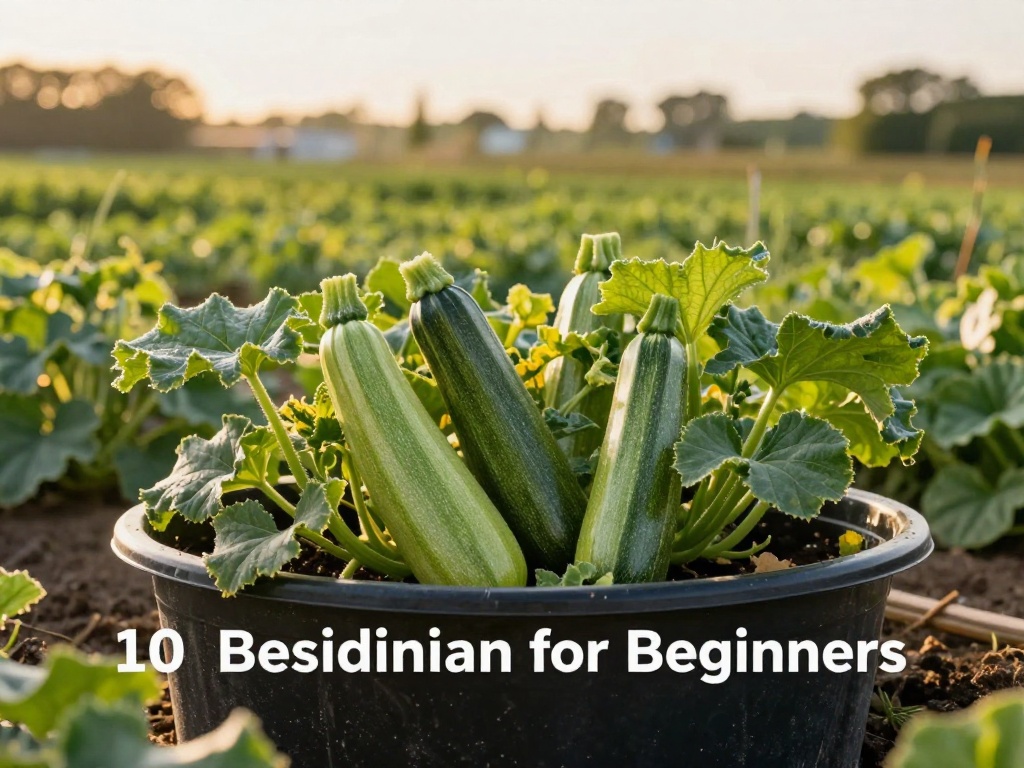
Zucchini Container Gardening for Beginners: 10 Essential Tips
Zucchini container gardening for beginners offers an exciting opportunity to grow delicious, fresh vegetables even in limited spaces. Whether you have a small balcony, patio, or sunny deck, you can successfully cultivate zucchini plants in containers with the right knowledge and techniques. This comprehensive guide will walk you through everything you need to know to harvest your own homegrown zucchini this season.
Why Choose Container Gardening for Zucchini
Container gardening has become increasingly popular among urban gardeners and those with limited yard space. Growing zucchini in containers allows you to move plants to optimize sunlight exposure, control soil quality, and avoid ground-dwelling pests. Additionally, containers warm up faster in spring, giving you a head start on the growing season.
One of the greatest advantages is mobility—if weather conditions change unexpectedly, you can simply move your containers to protect your plants. This flexibility makes container gardening particularly appealing for beginners who are still learning to read weather patterns and plant responses.
Best Zucchini Varieties for Containers
Not all zucchini varieties thrive equally in containers. Selecting the right variety is crucial for your success as a beginner container gardener.
Compact Bush Varieties
Look for bush-type zucchini varieties specifically bred for confined spaces. These plants grow in a more controlled manner without sprawling runners. Some excellent choices include 'Patio Star,' 'Raven,' 'Eight Ball,' and 'Spacemiser.' These compact varieties typically reach only 2-3 feet in diameter, making them perfect for 15-gallon containers.
Dwarf and Mini Varieties
Dwarf zucchini varieties like 'Gold Rush' and 'Black Beauty' also perform exceptionally well in containers. Mini zucchini types such as 'Piccolo' produce smaller fruits and work beautifully in hanging baskets or smaller pots. These varieties often require less maintenance and are more forgiving of occasional watering inconsistencies.
Choosing the Right Container
Container selection significantly impacts your zucchini plants' health and productivity. The container must provide adequate space for root development while ensuring proper drainage.
Container Size Requirements
For optimal growth, use containers that hold at least 5 gallons of soil per plant. However, for best results, aim for containers in the 10-15 gallon range. A single zucchini plant needs approximately 12-18 inches of root depth to flourish. Standard plastic, ceramic, or fabric grow bags all work well for this purpose.
Drainage Considerations
Never underestimate the importance of drainage holes. Zucchini roots are susceptible to root rot if water accumulates at the bottom of the container. Ensure your chosen container has multiple drainage holes, or drill additional ones if necessary. Elevating containers slightly off the ground using pot feet or bricks promotes better air circulation and water runoff.
Soil and Potting Mix Requirements
Quality potting mix forms the foundation of successful zucchini container gardening for beginners. Garden soil from your yard is too heavy and may contain pathogens—always use a premium potting mix instead.
Ideal Potting Mix Composition
Create an optimal growing medium by combining high-quality potting soil with compost and perlite. A ratio of 60% potting mix, 30% compost, and 10% perlite provides excellent drainage while retaining sufficient moisture and nutrients. This mixture ensures your zucchini plants receive the oxygen and nutrition they need for vigorous growth.
Adding Organic Matter
Incorporating slow-release organic fertilizer into your potting mix before planting gives seedlings a strong start. Worm castings, aged manure, or balanced granular fertilizers work well for this purpose. Refresh the nutrient supply every few weeks during the growing season to maintain consistent feeding.
Planting and Spacing Your Zucchini
Proper planting technique and spacing prevent competition for resources and promote healthy plant development.
When to Plant
Zucchini thrives in warm conditions, requiring soil temperatures of at least 60°F (15°C). In most regions, this means planting outdoors 2-3 weeks after the last frost date. You can start seeds indoors 3-4 weeks earlier under grow lights for a head start on the season.
Planting Depth and Spacing
Plant zucchini seeds approximately 1 inch deep in your container. If planting transplants, bury the stem up to the first set of true leaves—this encourages additional root development along the buried stem. For multiple plants, space them according to container size: one plant per 10-gallon container, or two plants maximum per 20-gallon container.
Sunlight and Watering Needs
Understanding your zucchini plants' light and water requirements prevents common beginner mistakes and ensures abundant harvests.
Sunlight Requirements
Zucchini plants demand full sun, meaning at least 6-8 hours of direct sunlight daily. South-facing balconies and patios typically provide ideal conditions. If your space receives less light, consider supplementing with reflective surfaces or artificial grow lights to meet the plants' energy needs for fruit production.
Watering Frequency and Techniques
Container zucchini typically requires daily watering during hot summer months, sometimes twice daily during heat waves. Check soil moisture by inserting your finger 1-2 inches into the potting mix—water when the top inch feels dry. Water deeply until moisture drains from the bottom holes, ensuring the entire root ball receives adequate hydration.
Fertilizing Your Container Zucchini
Container plants have limited access to natural soil nutrients, making regular fertilization essential for healthy growth and abundant fruiting.
Type of Fertilizer
Zucchini plants are heavy feeders, particularly during flowering and fruiting stages. Use a balanced liquid fertilizer with equal nitrogen, phosphorus, and potassium (such as 10-10-10) every 2-3 weeks. When flowers appear, switch to a fertilizer higher in phosphorus and potassium to support fruit development.
Signs of Nutrient Deficiency
Watch for yellowing leaves, which often indicate nitrogen deficiency. Poor fruit development or blossom drop may suggest insufficient phosphorus or potassium. Address deficiencies promptly by adjusting your fertilization schedule or switching to a more appropriate fertilizer formulation.
Pollination Tips for Container Zucchini
Understanding pollination is crucial because zucchini plants produce separate male and female flowers, and successful fruit set requires proper pollination.
Identifying Flower Types
Male flowers appear first on long, thin stems, while female flowers sit closer to the plant with a small fruit bump beneath the bloom. Both types are necessary for fruit production. Don't panic if early flowers fall off—this is normal as the plant establishes itself.
Hand Pollination Methods
In areas with limited bee activity, hand pollination ensures reliable harvests. Using a small, soft paintbrush, collect pollen from inside a male flower and transfer it to the female flower's central stigma. Alternatively, simply snap off a male flower and touch its pollen-covered center directly to the female flower's center.
Harvesting Your Zucchini
Knowing when and how to harvest maximizes both yield and flavor while encouraging continued production throughout the season.
When to Harvest
Harvest zucchini when fruits reach 6-8 inches in length—smaller fruits are more tender and flavorful. Check plants daily during peak production, as zucchini can grow from flower to harvestable size in just 2-3 days under ideal conditions. Larger, overripe zucchini become seedy and less palatable.
Harvesting Techniques
Use a sharp knife or garden shears to cut zucchini from the plant, leaving a small stem attached. Harvesting regularly encourages the plant to produce more flowers and fruits. Never tear or twist fruits from the vine, as this damages the plant and creates entry points for disease organisms.
Common Problems and Solutions
Even with proper care, container zucchini sometimes encounters challenges. Recognizing problems early allows for quick intervention and salvaged harvests.
Pest Management
Common pests affecting container zucchini include aphids, squash bugs, and spider mites. Inspect plants regularly and remove pests manually when possible. Insecticidal soap provides effective organic control for soft-bodied insects without harming beneficial pollinators when applied correctly.
Disease Prevention
Prevent fungal diseases by watering at soil level rather than overhead, ensuring good air circulation around containers, and avoiding overcrowding. Powdery mildew often appears in humid conditions—treat affected plants with a mixture of baking soda and water or commercial organic fungicides.
FAQ: Zucchini Container Gardening for Beginners
What size container do I need to grow zucchini?
For optimal growth, use a container holding at least 10-15 gallons with a depth of 12-18 inches. This provides sufficient space for zucchini's extensive root system while allowing adequate moisture retention for consistent hydration.
How many zucchini plants can I grow in one container?
You should grow only one zucchini plant per container, even in larger pots. Multiple plants in the same container compete aggressively for nutrients, water, and root space, resulting in stunted growth and poor yields for all plants.
Why are my container zucchini plants not producing fruit?
Common causes include insufficient sunlight (less than 6 hours daily), lack of pollination, excessive nitrogen fertilizer promoting leaf growth over flowering, and young plants that haven't matured enough to produce fruit. Address each potential cause systematically to encourage fruiting.
Can I grow zucchini on a shaded balcony?
Zucchini requires full sun to produce well, so shaded locations typically result in poor growth and minimal fruit production. If your balcony receives at least 4-5 hours of direct sunlight, you might succeed with a smaller, more compact variety, though yields will likely be reduced compared to full-sun conditions.
No comments