
10 Organic Pest Control Natural Methods for Healthier Farms
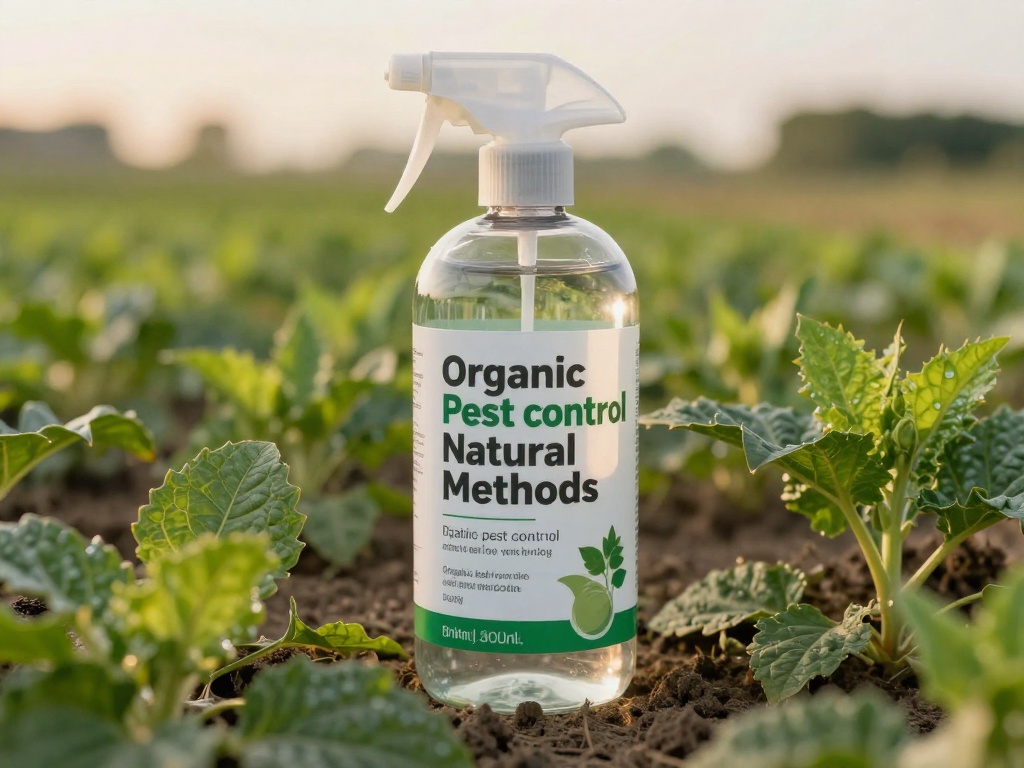
10 Organic Pest Control Natural Methods for Healthier Farms
Organic pest control natural methods offer farmers and gardeners a sustainable way to protect their crops from harmful insects without resorting to chemical pesticides. These approaches work with nature rather than against it, creating a balanced ecosystem where beneficial organisms help keep pest populations in check. By implementing these proven techniques, you can maintain healthy yields while preserving soil health and protecting beneficial insects.
Transitioning to organic pest control natural methods represents one of the most significant steps toward sustainable agriculture. This guide explores ten effective strategies that have helped farmers worldwide reduce pest damage while maintaining environmental responsibility.
Why Choose Organic Pest Control Natural Methods?
The shift toward organic pest control natural methods stems from growing awareness of the negative impacts associated with synthetic pesticides. Chemical interventions may provide quick results, but they often disrupt beneficial insect populations, contaminate soil, and create resistance in pest species over time.
Organic pest control natural methods work by creating a resilient agricultural ecosystem. These techniques support biodiversity, improve soil structure, and establish long-term pest management solutions. Farmers who adopt these practices typically see improved crop quality, reduced input costs, and healthier growing environments.
Environmental Benefits
Natural pest control methods eliminate the risk of chemical runoff contaminating waterways. They preserve pollinator populations essential for crop reproduction and maintain soil microbiology that supports plant health. These environmental benefits extend far beyond your immediate growing area.
Economic Advantages
While initial implementation may require effort, organic pest control natural methods significantly reduce long-term input costs. Once established, these systems often require less ongoing investment than conventional pesticide programs. Additionally, organic produce typically commands premium market prices.
10 Effective Organic Pest Control Natural Methods
1. Companion Planting Strategies
Companion planting represents one of the oldest organic pest control natural methods practiced by farmers worldwide. This technique involves growing specific plants together that naturally repel pests or attract beneficial insects. For example, marigolds planted alongside vegetables deter aphids and nematodes, while basil helps repel mosquitoes and flies.
The science behind companion planting involves aromatic compounds released by certain plants that confuse pests searching for their target crops. Strong-scented herbs like rosemary, thyme, and lavender create natural barriers that protect more vulnerable plants from insect damage.
2. Biological Control Using Beneficial Insects
Introducing beneficial insects ranks among the most effective organic pest control natural methods for managing pest populations. Ladybugs consume aphids, spider mites, and scale insects, making them valuable allies in any growing operation. Lacewings prey on soft-bodied insects, while ground beetles hunt soil-dwelling pests at night.
To implement biological control successfully, farmers must create habitats that support these beneficial species. Planting flowering borders, providing shelter, and avoiding broad-spectrum pesticides helps establish stable populations of predatory insects that naturally regulate pest levels.
3. Neem Oil Applications
Neem oil extracted from neem tree seeds provides powerful organic pest control natural method for numerous insect species. This natural insecticide disrupts pest feeding, molting, and reproduction without harming beneficial insects when applied correctly. Neem oil works against aphids, mealybugs, spider mites, and caterpillars.
Application timing matters significantly for neem oil effectiveness. Early morning or late afternoon applications allow proper absorption before太阳 exposure can degrade the active compounds. Regular applications every seven to fourteen days maintain protective barriers throughout the growing season.
4. Physical Barriers and Row Covers
Physical barriers offer straightforward organic pest control natural methods that prevent insects from reaching crops entirely. Row covers made from lightweight fabric allow light and water penetration while blocking flying insects from laying eggs on plants. These barriers prove especially valuable during peak pest seasons.
Installing physical barriers requires proper anchoring to prevent insects from accessing plants underneath. Supporting hoops elevate covers above crop foliage, allowing normal growth while maintaining protection. Remember to remove covers when plants require pollination or during extreme heat periods.
5. Crop Rotation Practices
Crop rotation disrupts pest life cycles by preventing the accumulation of species-specific insects in growing areas. This fundamental organic pest control natural method confuses pests that rely on finding the same host plants season after season. A three to four year rotation plan works effectively for most agricultural settings.
Effective rotation plans alternate plant families to break pest and disease cycles. Root vegetables might follow leafy greens, while legumes prepare soil for nitrogen-demanding crops. This diversity naturally reduces pest pressure while improving overall soil health and fertility.
6. Natural Predators and Birds
Attracting natural predators ranks among the most sustainable organic pest control natural methods available to farmers. Birds like bluebirds, swallows, and wrens consume significant quantities of insects daily. Installing nest boxes and providing water sources encourages these beneficial creatures to remain in growing areas.
Creating diverse habitats supports predator populations throughout the growing season. Hedgerows, brush piles, and native plantings provide shelter for beneficial species. Avoiding chemical applications ensures these natural pest controllers remain active in your agricultural ecosystem.
7. Diatomaceous Earth Applications
Diatomaceous earth provides mechanical organic pest control natural method that works effectively against crawling insects. This powder consists of fossilized aquatic organisms with microscopic sharp edges that damage insect exoskeletons, causing dehydration. Food-grade diatomaceous earth remains safe for humans and pets while being deadly to pests.
Application works best when the product remains dry, as moisture reduces effectiveness. Dust around plant bases, along garden edges, and directly on visible pests. Reapplication after rain ensures continued protection throughout the growing season.
8. Homemade Organic Sprays
Several household ingredients create effective organic pest control natural methods for minor infestations. Garlic spray repels numerous insect species when applied to foliage. Soap solutions containing pure castile soap penetrate insect respiratory systems. Hot pepper sprays deter chewing insects with their pungent compounds.
Testing homemade sprays on small plant areas before full application prevents potential plant damage. Concentrations that prove too strong may burn foliage or stress plants. Always apply during cooler periods and rinse edible crops before consumption.
9. Trap Crops and Decoy Plants
Trap cropping involves planting attractive species that draw pests away from main crops. This strategic organic pest control natural method concentrates pests where they can be managed more easily. Mustards and radishes work effectively for attracting flea beetles and harlequin bugs away from valuable vegetables.
Strategic placement of trap crops requires understanding pest behavior and migration patterns. Positioning trap crops at field edges creates a protective perimeter around main production areas. Regular monitoring and destruction of infested trap crops prevents pest populations from spreading.
10. Soil Health Management
Healthy soil produces resilient plants better equipped to withstand pest pressure. This foundational organic pest control natural method involves maintaining proper pH levels, organic matter content, and beneficial microorganisms. Strong plants resist pest damage more effectively than stressed, nutrient-deficient specimens.
Building soil health through composting, cover cropping, and minimal tillage creates conditions unfavorable for many soil-borne pests. Beneficial fungi and bacteria outcompete harmful organisms, while excellent drainage prevents conditions that favor pest reproduction. This holistic approach addresses pest challenges at their source.
Implementing Organic Pest Control Natural Methods Successfully
Successful implementation of organic pest control natural methods requires patience and observation. These systems take time to establish as beneficial populations build and ecological balance develops. Farmers should monitor crops regularly to identify pest issues early before significant damage occurs.
Integration of multiple methods typically produces better results than relying on single approaches. Combining cultural practices, biological controls, and physical barriers creates comprehensive protection that addresses various pest challenges simultaneously. This integrated approach mimics natural ecosystem functions.
Common Mistakes to Avoid
Many farmers abandon organic pest control natural methods too quickly expecting immediate results. Unlike chemical pesticides that provide instant knockdown, organic approaches require time to establish and demonstrate effectiveness. Patience combined with consistent application yields the best long-term outcomes.
Over-reliance on any single method often leads to disappointing results. Successful organic pest management combines multiple strategies tailored to specific pest challenges and crop requirements. Understanding your particular growing conditions helps select appropriate methods for your situation.
Frequently Asked Questions
What are the most effective organic pest control natural methods for beginners?
Companion planting, physical barriers, and introducing beneficial insects represent the most accessible organic pest control natural methods for beginners. These approaches require minimal equipment and provide visible results quickly. Starting with these foundational techniques builds confidence for implementing more advanced methods.
How long does it take for organic pest control natural methods to show results?
Organic pest control natural methods typically require two to four weeks to demonstrate noticeable effects, with full ecosystem benefits developing over one to three growing seasons. The timeline varies based on method selection, pest severity, and environmental conditions. Consistent application and patience prove essential for success.
Can organic pest control natural methods completely eliminate pest problems?
Complete elimination of pests rarely occurs with organic pest control natural methods, nor is it necessarily desirable. The goal involves managing pest populations below economically damaging thresholds while maintaining beneficial organism populations. This balanced approach promotes long-term agricultural sustainability and ecosystem health.
Are organic pest control natural methods safe for vegetable gardens?
Organic pest control natural methods prove excellent for vegetable gardens where food safety concerns eliminate chemical pesticide use. Most approved organic methods leave no harmful residues on edible produce. These techniques protect family health while producing nutritious, chemical-free vegetables for your table.
No comments