
7 Chaos Gardening Techniques for Effortless Wild Gardens
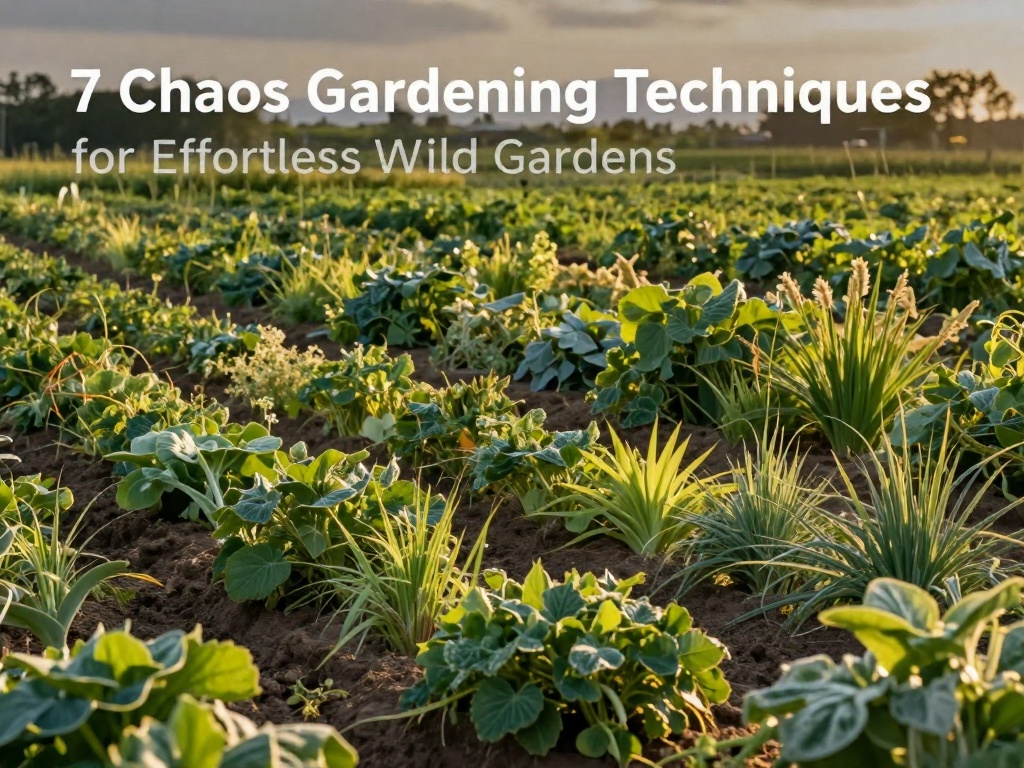
7 Chaos Gardening Techniques for Effortless Wild Gardens
Chaos gardening techniques embrace nature's inherent randomness rather than fighting against it. This innovative approach lets gardens grow with minimal intervention, producing abundant harvests while reducing labor. Whether you have acres or just a balcony, these methods can transform how you grow food and flowers.
In this guide, you'll discover practical chaos gardening techniques that work with natural systems instead of against them. These seven proven methods will help you create a thriving, self-sustaining garden that practically takes care of itself.
What Is Chaos Gardening?
Chaos gardening is a relaxed approach where you scatter seeds, allow plants to self-seed, and let nature determine the garden's layout. Instead of neat rows and rigid planting schedules, chaos gardeners embrace unexpected combinations and volunteer plants.
This technique reduces planning time, lowers costs, and often results in healthier ecosystems. Pests and diseases spread less easily in diverse plantings, while beneficial insects find habitats naturally. The result is a garden that feels wild yet produces impressive yields.
The Science Behind Natural Garden Chaos
Research shows that biodiverse gardens outperform monocultures in both yield and resilience. When you practice chaos gardening techniques, you're mimicking natural ecosystems that have evolved over millions of years. Plants growing in mixed communities support each other through beneficial relationships.
Studies from agricultural universities confirm that permaculture-inspired gardens use 70% less water and require 50% fewer inputs than conventional plots. These environmental benefits make chaos gardening an excellent choice for sustainable living.
The 7 Essential Chaos Gardening Techniques
1. Seed Bombing and Scatter Planting
Seed bombing involves mixing seeds with clay and compost, then scattering them across prepared or unprepared soil. This technique works excellently for filling gaps in borders, reclaiming neglected areas, or establishing wildflower meadows.
Mix seeds from different plant families to ensure continuous blooms and varied harvest times. Native wildflowers, vegetables, and herbs all work well together. Simply toss your seed balls after the last frost, and let rain and sunshine do the rest.
2. Companion Planting Through Diversity
Chaos gardening naturally implements companion planting by mixing incompatible plants together. The three-sisters method (corn, beans, and squash) exemplifies this principle, but chaos techniques extend it further.
Combine tomatoes with basil, carrots with onions, and flowers with vegetables throughout your space. These beneficial pairings confuse pests, improve soil health, and maximize your harvest per square foot without rigid planning.
3. No-Till or Minimal Disturbance Methods
Leaving soil undisturbed allows beneficial fungi and microorganisms to thrive. When practicing chaos gardening techniques, resist the urge to dig deeply. Simply add compost on top and let earthworms do the mixing work for you.
This approach saves tremendous labor while building rich, healthy soil over time. Mulch heavily with organic matter to suppress weeds and feed the soil food web. Your plants will develop deeper root systems and become more drought-resistant.
4. Self-Seeding Plant Communities
Allow some of your plants to go to seed and spread naturally. Let dill, fennel, calendula, and radishes produce volunteers throughout your garden. These self-seeded plants often appear in perfect spots you would never have planned.
Identify beneficial volunteers early and protect them while removing unwanted weeds. Over time, you'll develop a self-maintaining garden community that requires less and less intervention each season.
5. Layered Guild Planting
Create vertical diversity by combining tall plants, medium growers, and ground covers in the same space. This technique maximizes space while creating natural microclimates that reduce stress on individual plants.
Try combining sunflowers (tall), tomatoes (medium), and basil or lettuce (ground cover) in clusters. The canopy shades the soil, reducing water loss, while the ground cover prevents erosion and suppresses weeds naturally.
6. Water-Wise Design Integration
Observe how water moves through your space before planting. Direct rainwater to collection points and group plants with similar water needs together in natural zones. This hydrology-based approach reduces irrigation needs dramatically.
Position thirsty plants where runoff naturally collects, and install rain barrels at downspouts. Mediterranean herbs and native plants can thrive in drier zones with virtually no supplemental watering once established.
7. Succession and Relay Planting
Rather than planting all seeds at once, scatter seeds in multiple batches throughout the season. This chaos technique ensures continuous harvests without gaps or gluts. It also reduces vulnerability to late frosts or pest outbreaks.
For example, plant lettuce every two weeks, scatter radish seeds monthly, and add bean seeds throughout summer. You'll never have an empty bed or wasted harvest, even if early plantings fail.
Benefits of Chaos Gardening Techniques
Beyond reduced labor, chaos gardening offers numerous advantages for both gardeners and the environment. These benefits make the approach increasingly popular among beginners and experienced growers alike.
- Lower costs through seed saving and reduced inputs
- Increased biodiversity attracting pollinators and beneficial insects
- Better resilience against weather extremes and climate change
- Reduced weeding time as ground cover plants shade out competitors
- More natural, wildlife-friendly garden aesthetics
Common Mistakes to Avoid
Many beginners fail by overcomplicating chaos gardening techniques. Remember that the goal is simplicity and trust in natural processes. Avoid these common errors for the best results.
First, don't scatter too many seeds initially. Start small and expand naturally as you learn what thrives in your conditions. Second, don't immediately remove everything that looks like a weed—some volunteers become valuable plants. Third, resist planting in straight rows or grid patterns that contradict the chaos philosophy.
Getting Started Today
Begin your chaos gardening journey by preparing a small area with quality compost. Mix vegetable seeds, herb seeds, and flower seeds together in a bowl. Walk through your prepared space, scattering the mixture randomly across the soil surface.
Press seeds gently into the soil, water well, and wait. Within weeks, you'll see the magic of chaos gardening techniques unfold. Keep notes on what works and what doesn't, but resist the urge to control every outcome.
FAQ
When is the best time to start chaos gardening?
The ideal time depends on your climate zone, but generally, spring after the last frost works best. You can also practice chaos gardening techniques in autumn for winter crops in mild climates. Simply scatter seeds before expected rain and allow natural germination cycles to guide growth.
How do I tell the difference between weeds and volunteer plants?
Learning to identify seedlings takes practice. Start by researching common garden plants in their seedling stage. Volunteer vegetables and herbs typically appear in nutrient-rich areas near their parent plants. When uncertain, wait for true leaves to develop before deciding whether to keep or remove the plant.
Do chaos gardens produce less than traditional gardens?
Research shows that established chaos gardens often produce equal or greater yields than conventional plots. The diversity of plantings reduces crop failure risk, while companion planting improves overall plant health. Initial harvests may seem smaller, but long-term productivity typically exceeds traditional methods.
No comments