
Apple Tree Summer Pruning for Fire Blight Prevention: 2024 Pro Guide
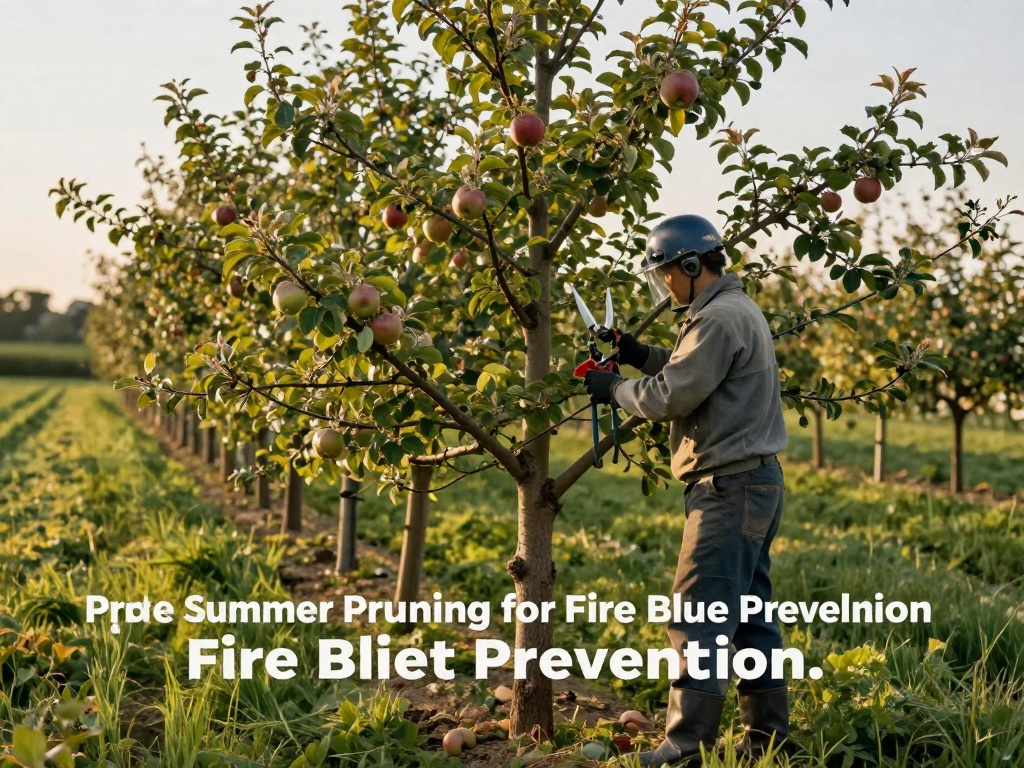
Apple Tree Summer Pruning for Fire Blight Prevention: 2024 Pro Guide
Fire blight, a devastating bacterial disease caused by Erwinia amylovora, kills up to 30% of unprotected apple orchard stock annually, per the United States Department of Agriculture (USDA). Apple tree summer pruning for fire blight prevention is one of the most effective, low-cost strategies to stop the spread of this infection between trees. Unlike dormant winter pruning, summer pruning targets fresh, infected growth before bacteria can spread to larger, permanent tree limbs.
Why Summer Pruning Outperforms Dormant Pruning for Fire Blight Control
Fire Blight’s Natural Spread Timeline
Fire blight bacteria spread primarily through insect activity and rain splash between late spring and mid-summer, when new, soft shoot growth is most vulnerable. Infected shoots develop the characteristic “shepherd’s crook” bend and oozing bacterial cankers within two weeks of exposure. Dormant pruning done in late winter can create fresh wounds that are easily infected by overwintering bacteria as temperatures warm in spring.
Summer Pruning Cuts Bacterial Dispersal Risk
Pruning in mid-summer, when bacterial activity slows in most temperate climates, reduces the risk of new wounds becoming infected. You can also remove all infected shoots within 12 inches of visible cankers, eliminating the bacteria’s source of spread to other parts of the tree or neighboring apple and pear trees. The USDA confirms that targeted summer pruning reduces fire blight spread by 70% in both commercial and backyard orchards.
Step-by-Step Summer Pruning Protocol for Fire Blight Prevention
Time Pruning For Dry, Mild Weather
Wait for a 3-5 day stretch of dry, low-humidity weather to prune your apple trees. This allows fresh pruning wounds to callous over quickly, preventing any stray bacteria from colonizing the cut. Avoid pruning if temperatures are forecast to exceed 85°F (29°C), as extreme heat can stress young apple trees.
Sanitize Tools Between Every Cut
Fire blight bacteria can linger on pruning shears, loppers, and saws, so you must sanitize all tools between every tree, and even between cuts on the same tree if you encounter an infected canker. Use a 10% bleach solution or 70% rubbing alcohol to kill any lingering bacteria. This simple step prevents cross-contamination that can turn a single small infection into an orchard-wide outbreak.
Make Correct, Targeted Cuts
When removing infected shoots, cut at least 12 inches below any visible signs of cankers or discoloration to ensure you remove all bacteria. For healthy growth, thin out crowded interior branches to improve air circulation, which reduces humidity around the tree’s foliage and discourages bacterial growth. Avoid heavy topping of trees, as this stimulates tender new growth that is highly vulnerable to fire blight infection.
Additional Steps to Boost Fire Blight Protection
Summer pruning alone is not enough to fully protect your apple trees from fire blight. Pair your pruning schedule with annual copper-based bactericide applications in early spring, before bloom, to reduce overwintering bacteria levels. Choose fire blight-resistant apple varieties, such as Liberty, Enterprise, or GoldRush, if you are planting new trees in your orchard.
These resistant varieties have a 90% lower risk of infection than susceptible varieties like Red Delicious or Granny Smith, per Cornell University’s Cooperative Extension. Combining resistant rootstock, targeted pruning, and preventative bactericides creates a multi-layered defense that eliminates nearly all fire blight risk for most orchard setups.
Frequently Asked Questions
When is the best time to prune apple trees for fire blight prevention?
The optimal window for summer pruning is mid-July to early August in most temperate North American climates. This timing follows the main spring spread period of fire blight and allows wounds to callous before fall rains arrive. For warmer southern climates, adjust the window to early June to avoid extreme summer heat stress.
Can I prune fire blight-infected trees in rainy weather?
No, you should never prune infected apple trees in wet or humid weather. Rain splash spreads fire blight bacteria easily, and wet conditions prevent pruning wounds from callousing quickly, increasing the risk of new infections. Always wait for an extended dry stretch to prune any apple tree, regardless of infection status.
Do I need to dispose of infected pruned branches specially?
Yes, you should bag and landfill all infected pruned branches, or burn them if local regulations allow. Do not compost infected material, as most home compost piles do not reach high enough internal temperatures to kill fire blight bacteria, which can survive for months in dead plant material. Never leave infected branches lying on your orchard floor.
Is summer pruning safe for young apple trees?
Light, targeted summer pruning to remove infected growth is safe for apple trees of all ages. However, young trees under three years old should not undergo heavy summer pruning to thin healthy growth, as this can stunt their development and reduce their first full harvest yield. Stick to only removing confirmed infected growth on immature trees.
No comments