
Garlic Fall Planting Timing Zones: A Complete 2024 Guide
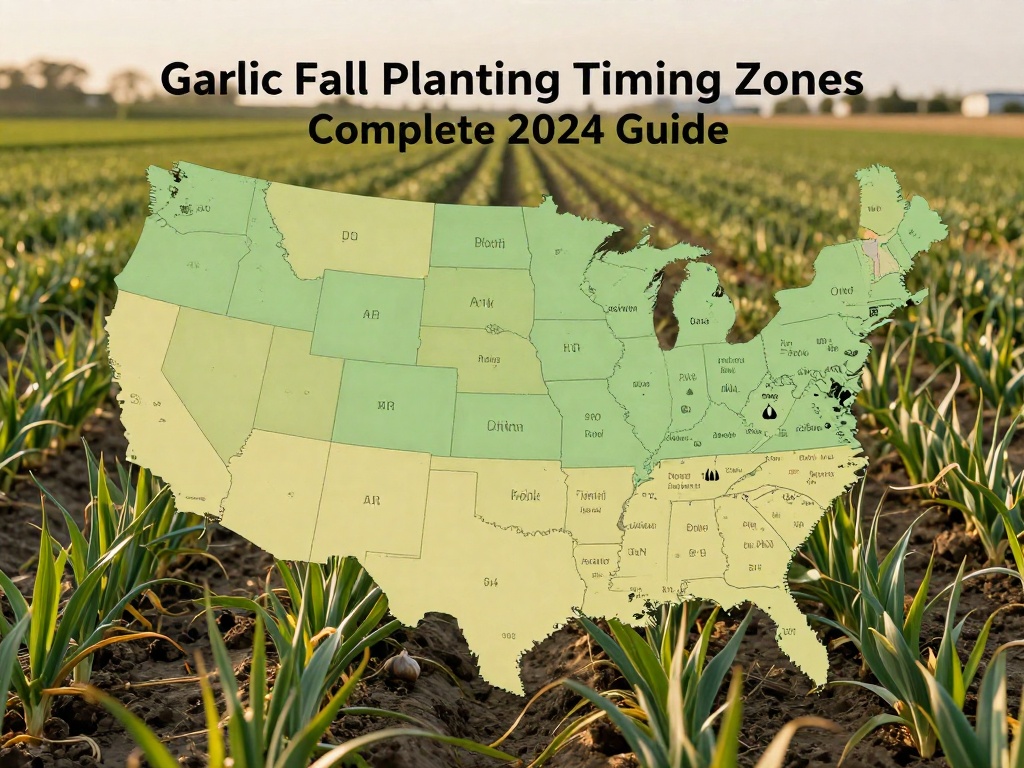
Garlic Fall Planting Timing Zones: A Complete 2024 Guide
Garlic is one of the most rewarding crops you can grow in your garden, and fall is the ideal time to plant it. However, getting the garlic fall planting timing zones right is the single most important factor that determines whether you harvest monster bulbs or disappointing cloves. Planting at the correct time ensures your garlic establishes strong roots before winter dormancy, leading to vigorous spring growth and a bountiful summer harvest.
In this comprehensive guide, you will discover exactly when to plant garlic based on your specific USDA hardiness zone. Whether you are in the icy depths of Zone 3 or the mild winters of Zone 9, we have tailored advice to help you time your planting perfectly. Let's dig in and set you up for garlic growing success.
Why Fall is the Best Time to Plant Garlic
Garlic differs from most vegetables because it actually requires a cold period, known as vernalization, to trigger bulb development. When you plant garlic in the fall, the cloves undergo a natural stratification process during winter. This cold exposure stimulates the formation of multiple cloves within each bulb and promotes the development of large, flavorful garlic heads come harvest time.
Fall-planted garlic has several key advantages over spring planting. It produces significantly larger bulbs, develops a more extensive root system before the growing season begins, and is naturally more resilient to pests and diseases. Spring-planted garlic, by contrast, often produces small, single-clove "rounds" because it misses the essential cold period it needs to分分 bulb properly.
Understanding USDA Hardiness Zones for Garlic
The United States Department of Agriculture (USDA) plant hardiness zone map divides North America into 13 zones based on average annual minimum winter temperatures. Each zone represents a 10-degree Fahrenheit difference, and sub-zones (a and b) add 5-degree increments. Understanding your zone is essential for garlic fall planting timing zones because winter temperatures directly affect when you should plant and which garlic varieties will thrive.
Your zone tells you approximately when your first hard frost occurs and how cold your winters get on average. Garlic planted too early may produce excessive top growth before winter, which wastes energy and makes plants vulnerable to frost damage. Garlic planted too late may not establish sufficient roots, resulting in weak spring growth and poor bulb formation.
How to Find Your USDA Hardiness Zone
Finding your USDA hardiness zone is simple. Visit the USDA website and enter your zip code to get an instant zone lookup. You can also consult local cooperative extension offices, which provide zone-specific planting calendars tailored to regional conditions. Knowing your zone is the foundation for all successful garlic cultivation.
Garlic Fall Planting Timing Zones: Complete Zone-by-Zone Guide
Timing your garlic planting within your specific zone is critical. The general rule is to plant garlic approximately 4 to 6 weeks before the ground freezes hard. This gives the cloves time to establish roots without producing excessive foliage. Here is a detailed breakdown for each major growing zone.
Zone 3 and Zone 4 (Northern Plains and Upper Midwest)
Gardeners in Zones 3 and 4 face the coldest winters in the continental United States, with minimum temperatures ranging from -40°F to -20°F. In these regions, garlic fall planting timing zones recommend planting from mid-September through early October. The goal is to get garlic in the ground before the soil freezes but late enough that shoots do not emerge before winter.
Hardneck garlic varieties such as Rocambole and Porcelain are excellent choices for these zones because they are specifically adapted to cold climates. Apply a heavy layer of mulch (4 to 6 inches) after planting to insulate the garlic through brutal winters. Straw, shredded leaves, or hay work exceptionally well as winter mulch in northern zones.
Zone 5 and Zone 6 (Mid-Atlantic, Central US, and Interior Northwest)
Zones 5 and 6 cover a vast swath of the country with average winter minimums between -20°F and 0°F. For these garlic fall planting timing zones, the ideal planting window is from late September through mid-November. The specific timing depends on your location within these zones — gardeners in Zone 5a should plant earlier, while those in Zone 6b can plant closer to late October or early November.
Both hardneck and softneck varieties perform well in these zones. German White and Music Porcelain are popular hardneck choices, while California Early White and California Late White thrive as softneck varieties. These zones enjoy the flexibility of growing almost any garlic type successfully with proper timing.
Zone 7 and Zone 8 (Southern US, Pacific Northwest, and Mid-South)
With winter minimums ranging from 0°F to 20°F, Zones 7 and 8 require careful attention to garlic fall planting timing zones. Plant too early and warm fall temperatures may trigger premature growth; plant too late and the bulbs may not root properly before spring. The sweet spot for these zones is typically from late October through December.
In mild-winter areas of Zone 8 and Zone 9, some gardeners have success planting as late as January or February, though fall planting is still preferable for larger bulbs. Artichoke softneck varieties like Silverskin and Creole types such as Creole Red perform exceptionally well in these warmer zones because they require less cold exposure than hardneck varieties.
Zone 9 and Zone 10 (Gulf Coast and Southern California)
Gardeners in Zones 9 and 10 face unique challenges because mild winters may not provide sufficient cold for traditional vernalization. For these garlic fall planting timing zones, late November through December planting is recommended. In these zones, selecting the right varieties is even more critical than timing.
Creole and Tropical garlic varieties are specifically bred for warm-winter regions and require minimal cold exposure. Early-maturing softneck varieties also work well. Some gardeners in these zones refrigerate garlic cloves for 40 to 60 days before planting to simulate the vernalization period and improve bulb formation.
When to Plant Garlic by Zone: Quick Reference Chart
Use this convenient reference table to quickly identify your optimal garlic fall planting timing zones window:
| USDA Zone | Average Winter Low | Ideal Planting Window | Best Garlic Types |
|---|---|---|---|
| Zone 3 | -40°F to -30°F | September 15 – October 1 | Porcelain, Rocambole |
| Zone 4 | -30°F to -20°F | September 20 – October 10 | Porcelain, Rocambole |
| Zone 5 | -20°F to -10°F | October 1 – October 25 | Porcelain, Purple Stripe |
| Zone 6 | -10°F to 0°F | October 10 – November 15 | Porcelain, Rocambole, Softneck |
| Zone 7 | 0°F to 10°F | October 20 – November 30 | Softneck, Purple Stripe |
| Zone 8 | 10°F to 20°F | November 1 – December 15 | Artichoke, Creole |
| Zone 9 | 20°F to 30°F | November 15 – January 15 | Creole, Artichoke |
| Zone 10 | 30°F to 40°F | December – February (cold-treated) | Creole, early Softneck |
Key Factors Beyond Your Hardiness Zone
While your USDA zone provides the foundation for garlic fall planting timing zones, several additional factors can influence your ideal planting date. Paying attention to these variables helps you fine-tune your timing for maximum success.
Soil Temperature Matters More Than Air Temperature
The most reliable indicator for planting garlic is soil temperature, not air temperature. Garlic cloves should be planted when soil temperatures reach 50°F to 60°F at a depth of 4 inches. Below 50°F, root development slows significantly; above 60°F, cloves may not vernalize properly. Using a soil thermometer removes guesswork and ensures optimal root establishment before winter dormancy.
Microclimates and Elevation Effects
Your USDA zone is a general guide, but microclimates within your property can dramatically shift your planting window. South-facing slopes warm up faster in fall and may require later planting. Low-lying areas where cold air settles (frost pockets) often need earlier planting to compensate for extended cold exposure. Container gardens and raised beds also heat and cool differently than in-ground beds, so monitor soil temperatures directly in these growing situations.
Garlic Variety Selection by Climate
Choosing the right garlic variety is just as important as timing. Hardneck garlic (Allium sativum var. ophioscorodon) produces a flowering scape and is better suited to colder climates with true winters. Softneck garlic (Allium sativum var. sativum) does not produce scapes and tolerates warmer winters, making it ideal for Zones 8 and above. Selecting a variety matched to your climate improves bulb size, flavor, and storage life significantly.
Step-by-Step Fall Garlic Planting Guide
Once you have determined your garlic fall planting timing zones window, follow these essential steps to maximize your harvest.
1. Prepare Your Planting Site
Garlic thrives in loose, well-drained soil with plenty of organic matter. Work 2 to 4 inches of compost into the top 6 to 8 inches of soil before planting. Avoid areas where water pools after rain, as garlic roots sitting in saturated soil are prone to rot. A soil pH between 6.0 and 7.0 is optimal for garlic growth.
2. Break Apart Bulbs and Select Largest Cloves
Separate garlic bulbs into individual cloves no more than 24 hours before planting. Choose the largest, healthiest cloves for planting and reserve smaller ones for cooking. Larger cloves produce larger bulbs, so this selection process directly impacts your final harvest quality. Handle cloves gently to avoid bruising the basal plate where roots will emerge.
3. Plant Cloves at the Correct Depth and Spacing
Plant garlic cloves 2 to 3 inches deep with the pointed end facing upward. Space cloves 6 to 8 inches apart in rows, with rows spaced 12 to 18 inches apart. In colder zones, planting slightly deeper (3 to 4 inches) provides extra protection against winter damage. After placing each clove, firm the soil gently around it to eliminate air pockets.
4. Mulch Immediately After Planting
Apply 4 to 6 inches of organic mulch such as straw, shredded leaves, or hay immediately after planting. Mulch insulates the soil, prevents winter heaving (where freeze-thaw cycles push cloves out of the ground), suppresses weeds, and maintains consistent soil moisture. In milder zones, a lighter mulch layer of 2 to 3 inches is sufficient to avoid trapping excess heat.
5. Spring Care and Harvest Timing
As temperatures warm in spring, remove mulch gradually if it has compacted significantly, or add nitrogen fertilizer to support rapid foliage growth. Stop watering two to three weeks before harvest to allow bulbs to cure properly in the ground. Harvest garlic when the lower three to four leaves turn brown and dry, typically in mid-summer depending on your zone and variety.
Common Mistakes to Avoid
Avoiding these common errors will help you get the most from your garlic fall planting timing zones efforts. Planting too early in warm fall weather leads to excessive top growth that depletes the clove's energy reserves before winter. Conversely, planting so late that roots cannot establish results in poor spring vigor. Using grocery store garlic is risky because it may be treated with growth inhibitors, so always source planting garlic from reputable suppliers or seed catalogs. Finally, do not skip mulching in cold climates — this single step can mean the difference between thriving garlic and complete winter loss.
FAQ: Garlic Fall Planting Timing Zones
What happens if I plant garlic too early?
Planting garlic too early, especially during a warm autumn, causes the cloves to sprout foliage before winter arrives. This tender growth is vulnerable to frost damage and depletes the energy reserves that should sustain the plant through dormancy. Early-planted garlic often produces smaller bulbs and may suffer from disease issues. Stick to the recommended window for your zone to avoid this problem.
What happens if I plant garlic too late?
When garlic is planted too late, the cloves do not have sufficient time to develop a robust root system before the ground freezes. Plants emerge weakly in spring with yellowing, stunted foliage and produce small, underdeveloped bulbs. If you miss your ideal planting window, plant anyway and apply extra mulch — some growth is always better than none.
Can I grow garlic in zones without cold winters?
Yes, you can successfully grow garlic in warm-winter zones (9 and above) by selecting appropriate varieties and using pre-chilling treatment. Refrigerate planting cloves for 40 to 60 days at 40°F to 50°F before planting to artificially simulate vernalization. Creole and Artichoke varieties are naturally adapted to warmer climates and require less cold exposure than hardneck types.
Should I fertilize garlic when planting in fall?
Do not apply high-nitrogen fertilizer at fall planting time, as this stimulates foliage growth rather than root development. Instead, focus on adding rich organic matter like compost to the soil before planting. Begin fertilizing with a nitrogen-rich fertilizer in early spring when growth resumes, and continue feeding monthly until the bulbs begin to swell.
How do I know when my garlic is ready to harvest?
Garlic is ready to harvest when approximately 50% to 75% of the leaves have turned brown and died back, typically in July or August depending on your zone. Stop watering two weeks before expected harvest to allow the bulbs to begin drying in the ground. Gently loosen the soil with a fork and lift the entire plant, taking care not to bruise the bulbs.
No comments