
Mason Bee Nesting for Orchard Pollination: 2026 Essential Guide for Orchardists
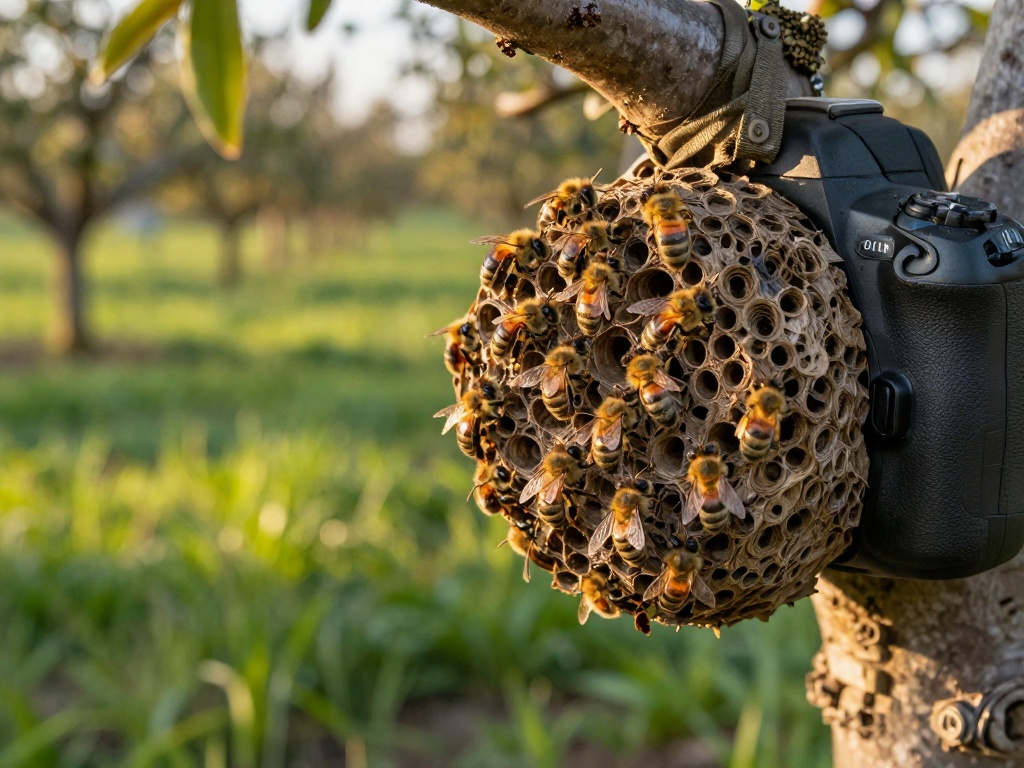
Mason Bee Nesting for Orchard Pollination: 2026 Essential Guide for Orchardists
Commercial and backyard orchard owners are increasingly turning to mason bee nesting for orchard pollination to solve declining honeybee populations and boost reliable fruit set. The USDA reports that orchard mason bees (Osmia lignaria) are 120 times more efficient at pollinating apple, cherry, and almond trees than honeybees, as they carry dry pollen on their undersides and visit 2,000+ flowers per day. Unlike honeybees, mason bees are solitary, non-aggressive, and rarely sting, making them ideal for orchard settings of all sizes.
Why Mason Bees Outperform Other Pollinators for Orchards
Mason bees emerge in early spring, exactly when most temperate orchard trees begin their critical blooming cycle. Their active season aligns perfectly with the 2-3 week window when fruit trees require consistent pollination to produce a viable, marketable crop.
A 2023 study from Washington State University found that orchards with established mason bee populations saw a 35% higher fruit set rate than orchards relying solely on rented honeybee hives. The study also noted that mason bees are resistant to many common pests and diseases that plague managed honeybee colonies, cutting long-term pollination costs for growers by 20% on average.
Step-by-Step Guide to Setting Up Mason Bee Nests
Choose the Right Nesting Materials
Mason bees prefer narrow, deep tunnels to lay their eggs, so natural or purpose-built man-made materials work best. The most effective options include solid drilled wooden blocks, hollow reed tubes, or uncoated cardboard nesting tubes with a 5/16 inch diameter, the proven ideal size for North American orchard mason bees. Avoid plastic nesting materials, as they trap moisture and lead to fungal growth that can kill developing bee larvae.
Place Nests for Maximum Foraging Success
Mount nesting boxes 3-6 feet off the ground on the south or east side of a solid structure, like a fence or orchard tree trunk. This placement exposes nests to morning sunlight, which warms the bees and encourages them to start foraging up to 3 hours earlier each day. Space nests every 100 feet across your orchard to ensure all tree rows are within the bees’ 300-foot maximum foraging range.
Maintain Nests Between Growing Seasons
At the end of each blooming season, move filled nesting tubes to a secure, weather-tight storage shed to protect developing larvae from predators and harsh winter weather. In late winter, return the nests to their original positions to allow new adult bees to emerge as spring temperatures rise. Clean and replace nesting materials every 2 years to prevent the buildup of harmful parasites.
Common Mistakes That Ruin Mason Bee Nesting Success
Many new orchardists place nests in shaded or windy locations, which slows bee activity and reduces foraging rates by nearly 40%, according to Penn State Extension research. Others also fail to provide a nearby mud source, which female mason bees require to seal off their nesting tunnels. A small, shallow tray of wet clay soil placed within 20 feet of nests eliminates this common issue.
Another widespread mistake is using the wrong tunnel diameter, which leads to low nest occupancy rates. Tunnels smaller than 5/16 inch are too small for egg-laying female bees, while larger tunnels waste space and increase the risk of pest infestations by predatory wasps.
Frequently Asked Questions
How many mason bee nests do I need for a 1-acre orchard?
The University of California Agriculture and Natural Resources department recommends 2-3 mason bee nesting boxes with 50 nesting tubes each to adequately pollinate a 1-acre fruit orchard. This number provides enough female bees to visit every open flower during the critical 2-3 week blooming window.
Can I use mason bee nesting alongside honeybee hives in my orchard?
Yes, mason bees and honeybees coexist peacefully, and combining the two pollinator groups can boost fruit yields by up to 40% compared to using only one type of pollinator, per a 2024 study from the University of Georgia. Their foraging patterns complement one another, with mason bees working cooler, cloudier days when honeybees stay in their hives.
When is the best time to install mason bee nests in my orchard?
Install nests 1-2 weeks before your orchard’s tree species typically bloom, to ensure bees are ready to forage as soon as flowers open. For most temperate U.S. orchards, this means setting up nests in late February or early March, before spring temperatures consistently rise above 50°F.
No comments