
Roses Container Gardening for Beginners: 10 Essential Tips
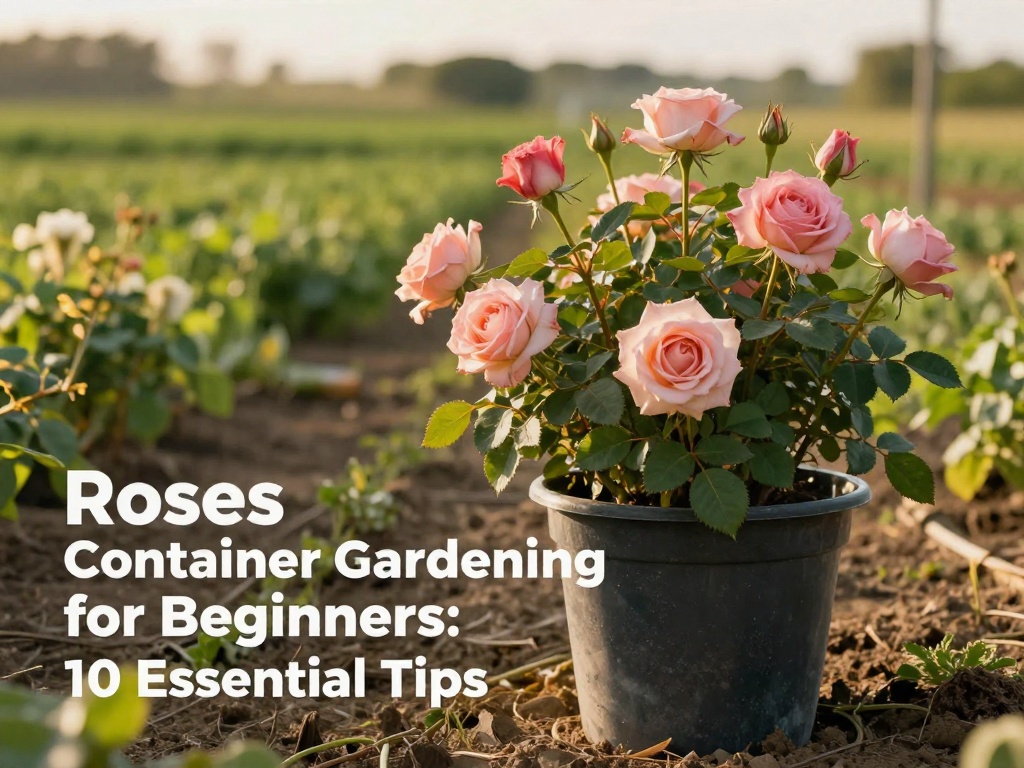
Roses Container Gardening for Beginners: 10 Essential Tips
Container gardening opens up a world of possibilities for rose lovers with limited space. Whether you have a small balcony, patio, or just a sunny doorstep, you can successfully grow stunning roses in containers. This complete guide walks beginners through every step needed to cultivate healthy, blooming roses in pots.
Why Choose Container Gardening for Roses?
Container gardening offers remarkable flexibility that traditional garden beds cannot match. You can move your roses to capture optimal sunlight throughout the seasons. Limited garden space no longer means giving up on growing beautiful roses. Additionally, containers allow you to control soil conditions precisely, which is crucial for rose health.
Many gardeners successfully grow miniature roses, compact shrub roses, and even some climbing varieties in large containers. The key lies in selecting appropriate varieties and providing proper care throughout the growing season.
Choosing the Right Container
Container size matters significantly when growing roses. Your pot must accommodate the rose's root system while providing stability. Select containers that are at least 18 inches deep and wide for most rose varieties. Larger containers hold more soil, which means better moisture retention and less frequent watering.
Best Materials for Rose Containers
Terra cotta and ceramic pots offer excellent breathability for rose roots. However, they dry out faster than plastic or fiberglass containers. Consider using double-walled containers for insulation against temperature extremes. Wood planters provide natural insulation but may decay over time. Ensure any container has adequate drainage holes at the bottom.
Container Size Guide by Rose Type
Miniature roses thrive in containers as small as 12 inches deep. Patio roses need containers measuring 18 to 24 inches in diameter. Climbing roses require the largest containers, ideally 24 inches or more deep. Always err on the side of larger containers when uncertain.
Selecting the Best Rose Varieties
Not all roses adapt equally well to container life. Some varieties perform exceptionally in confined spaces, making them perfect choices for beginners. Miniature roses like "Petite Pink" and "Lemon Delight" consistently succeed in containers. These compact beauties produce abundant blooms while requiring less pruning maintenance.
Recommended Beginner Roses
Floribunda roses such as "Iceberg" and "Sexy Rexy" adapt wonderfully to large containers. Knock Out roses offer exceptional disease resistance and continuous blooming throughout the season. Ground cover roses like "Flower Carpet" cascade beautifully over container edges. These varieties tolerate variable growing conditions better than more finicky hybrid teas.
Soil Mix and Drainage Requirements
Roses grown in containers demand premium potting mix, not garden soil. Garden soil compacts easily in containers, suffocating roots and preventing proper drainage. Create an ideal mix using equal parts quality potting soil, compost, and perlite or coarse sand. This combination ensures excellent drainage while retaining sufficient moisture and nutrients.
Ensuring Proper Drainage
Excellent drainage prevents root rot, one of the most common causes of container rose failure. Place broken pottery shards or gravel at the bottom of your container before adding soil. Elevate containers slightly using pot feet or small blocks to encourage water flow through drainage holes. Check holes regularly to ensure they remain unclogged.
Planting Your Rose Step by Step
Proper planting technique sets the foundation for your rose's success. Spring provides the ideal planting window, allowing roots to establish before summer heat arrives. Begin by soaking bare-root roses in water for 24 hours before planting. For nursery potted roses, gently loosen the root ball to encourage outward growth.
Fill your container with the prepared soil mix, leaving enough space for the rose's root ball. Position the graft union (the swollen area where stems meet roots) just below the soil surface in colder climates. In warmer regions, you may plant slightly higher. Water thoroughly after planting to eliminate air pockets around the roots.
Essential Care Tips for Thriving Container Roses
Watering Guidelines
Container roses require more frequent watering than garden-planted counterparts. During hot summer months, daily watering may be necessary. Check soil moisture by inserting your finger about an inch deep. Water when the top inch feels dry. Apply water slowly until it drains from the bottom holes, ensuring thorough saturation.
Fertilizing Schedule
Roses are heavy feeders, and container roses especially need regular nutrition. Apply a balanced, slow-release fertilizer formulated for roses every four to six weeks during the growing season. Begin fertilizing in early spring when new growth emerges. Continue through summer, but stop feeding six weeks before your first expected frost to allow the rose to harden off.
Pruning and Deadheading
Regular deadheading encourages continuous blooming throughout the season. Remove spent flowers by cutting back to the first five-leaflet leaf below the bloom. Prune container roses in late winter or early spring, removing dead wood and crossing branches. Maintain an open center shape to improve air circulation and light penetration.
Winter Protection for Container Roses
Container roses face greater winter exposure since roots are not insulated by surrounding earth. Move containers to sheltered locations against your home's foundation when temperatures drop. Wrap pots with burlap or bubble wrap to insulate the root zone. In extremely cold climates, heel in containers by mounding mulch around the pot.
Reduce watering during winter dormancy but never allow soil to dry completely. Resume regular watering when spring growth begins. This protection regimen ensures your roses survive seasonal temperature fluctuations and return vigorously each year.
Common Problems and Solutions
Pest Management
Aphids frequently target new rose growth but respond well to insecticidal soap sprays. Spider mites thrive in hot, dry conditions—increase humidity and spray with water to deter them. Japanese beetles require hand-picking or targeted traps. Inspect your roses regularly for early detection and prompt treatment.
Disease Prevention
Black spot and powdery mildew plague many rose varieties, especially in humid conditions. Prevent these fungal diseases by ensuring adequate air circulation around plants. Water at soil level, keeping foliage dry. Choose disease-resistant varieties to minimize treatment needs. Remove and dispose of infected leaves promptly.
FAQ
What size container is best for growing roses?
The ideal container should be at least 18 inches in both diameter and depth. Larger containers hold more soil, providing better moisture retention and root development space. Miniature roses can tolerate slightly smaller pots, while climbing roses need containers 24 inches or deeper.
How often should I water roses in containers?
Container roses typically need watering every one to two days during growing season. Hot, windy conditions increase water needs significantly. Always water thoroughly until it drains from the bottom, ensuring the entire root zone receives moisture rather than just surface watering.
Can hybrid tea roses be grown successfully in containers?
While possible, hybrid teas require large containers (24 inches deep minimum) and more intensive care than compact varieties. They struggle more with container constraints and are better suited for gardeners with some experience. Consider miniature or floribunda roses for greater container gardening success.
No comments