
Container Gardening Vegetables Small Spaces: 10 Best Veggies for 2026
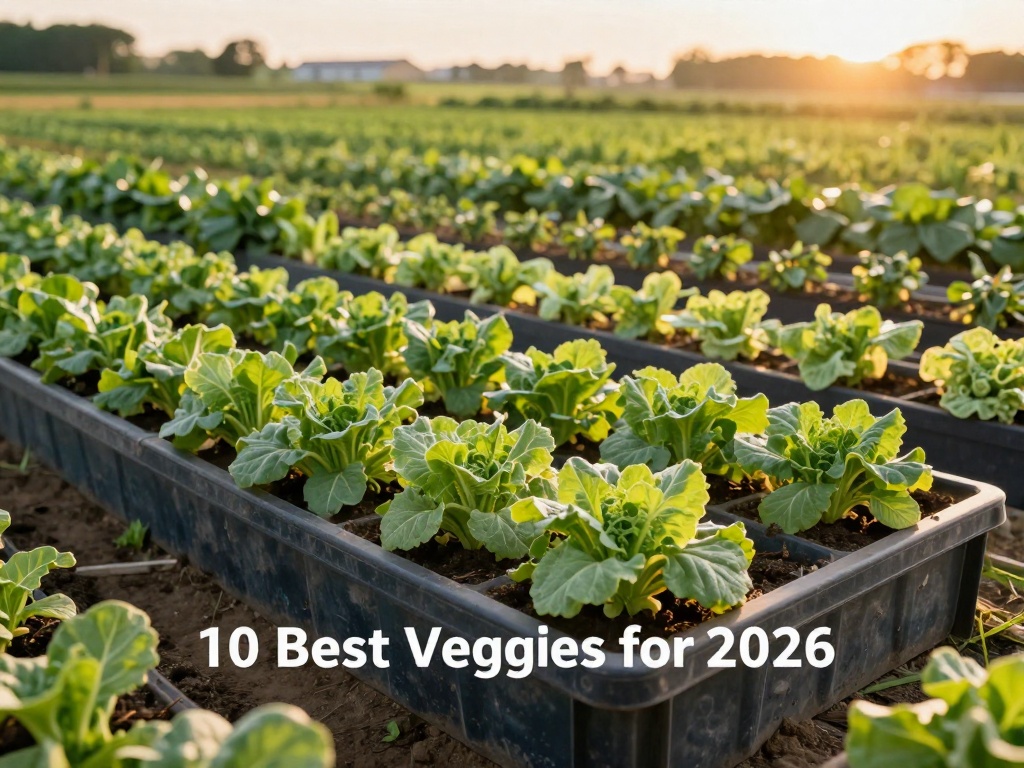
Container Gardening Vegetables for Small Spaces: The Complete 2026 Guide
Imagine stepping onto your balcony or patio and harvesting fresh, organic vegetables just steps from your kitchen. Container gardening vegetables small spaces has transformed the way urban dwellers and apartment residents approach homegrown food. Whether you have a cramped city balcony, a sunny windowsill, or a small courtyard, you can successfully grow a surprising variety of vegetables in containers. This guide walks you through everything you need to start your own productive container vegetable garden in 2026.
Why Choose Container Gardening for Small Spaces?
Container gardening offers remarkable advantages for anyone working with limited square footage. Unlike traditional garden beds, containers are completely portable, allowing you to move plants to chase sunlight or protect them from harsh weather. You control the soil quality entirely, which means you can create the perfect growing medium for each vegetable type without battling poor native soil conditions.
Containers also keep your gardening contained and manageable. There is no tilling, no heavy equipment, and no extensive ground preparation required. For renters and homeowners alike, this flexibility is invaluable. You can take your garden with you if you move, and you can rearrange your outdoor space whenever inspiration strikes. Beyond the practical benefits, container gardens add vibrant greenery and life to patios, rooftops, and balconies that might otherwise go unused.
The 10 Best Vegetables for Container Gardening
Not all vegetables thrive equally well in containers. The following selections have been chosen for their proven performance in restricted root spaces, their compact growth habits, and their high yields relative to the space they occupy.
1. Tomatoes
Tomatoes remain the undisputed champion of container vegetable gardening. Compact or dwarf varieties such as Tiny Tim, cherry tomatoes, and patio varieties produce abundant fruit in pots as small as 5 gallons. They require sturdy stakes or cages for support, but their回报 is exceptional—one plant can yield dozens of sweet, flavorful tomatoes throughout the growing season. Position your tomato containers in the sunniest spot available, as these heat-loving plants demand at least six to eight hours of direct sunlight daily.
2. Lettuce and Salad Greens
Leaf lettuce, spinach, arugula, and mixed salad greens are ideal for container gardening in small spaces because they grow quickly and do not require deep root systems. Shallow containers measuring just 4 to 6 inches deep are sufficient for cut-and-come-again harvesting. You can stagger your plantings every two weeks to ensure a continuous supply of fresh salads throughout spring and fall. These greens also tolerate partial shade better than most vegetables, making them perfect for north-facing balconies.
3. Peppers
Both sweet bell peppers and hot chili peppers adapt exceptionally well to container life. Varieties like Mohawk peppers and Redskin peppers grow beautifully in pots, producing colourful fruit that is as ornamental as it is delicious. A 3-gallon container comfortably supports one pepper plant, and you can grow two different varieties side by side to maximise your harvest variety. Peppers appreciate warmth and shelter, so placing them near a south-facing wall can accelerate their growth significantly.
4. Green Beans
Bush bean varieties are perfectly suited for container cultivation. They produce compact, self-supporting plants that不需要staking and thrive in containers at least 12 inches deep. Varieties like Harvester and Provider yield generous harvests within 50 to 60 days of planting. Green beans fix their own nitrogen, which means they actually improve the soil conditions in your container over time, benefiting any subsequent plantings you add to the same pot.
5. Radishes
Radishes are arguably the fastest and most forgiving vegetables for beginners practicing container gardening in small spaces. These quick-growing root vegetables mature in as little as 25 to 30 days, making them incredibly rewarding for impatient gardeners. A simple window box or shallow tray measuring 4 inches deep is all they need. Plant radish seeds every two weeks from early spring through autumn for a steady supply of crisp, peppery roots that enhance salads and sandwiches alike.
6. Zucchini and Summer Squash
Compact bush varieties of zucchini and yellow squash perform surprisingly well in large containers. A single plant in a 5-gallon pot can produce several pounds of harvestable fruit throughout the summer. Zucchini plants have large leaves that create a dramatic visual impact on patios and balconies while simultaneously shading the soil and reducing water evaporation. Harvest when fruits are small to medium-sized for the best texture and flavour.
7. Carrots
Carrots require loose, deep soil to develop straight, healthy roots, making them an excellent test of your container depth management. Short and baby carrot varieties such as Thumbelina and Parisian are specifically bred for shallow or compacted soils and excel in containers with a depth of at least 8 to 10 inches. Ensure your soil mix is free of rocks and clumps to prevent forking and deformities in your carrot roots.
8. Cucumbers
Container-friendly cucumber varieties, particularly bush types like Spacemaster and Salad Bush, produce compact vines perfect for small-space gardening. These plants thrive in containers with trellis support, and growing them vertically saves precious floor space while also keeping fruits clean and easy to harvest. Cucumbers are heavy feeders and benefit greatly from regular fertilisation throughout their growing season.
9. Kale and Swiss Chard
Both kale and Swiss chard are nutritional powerhouses that thrive in containers with minimal care. These hardy leafy greens tolerate cooler temperatures and can be harvested multiple times from the same plant. Varieties like Red Russian kale and Bright Lights chard add striking visual appeal with their colourful stems and textured leaves. A container as small as 2 gallons can support one robust plant that provides continuous harvests for months.
10. Herbs as Companion Vegetables
While technically not vegetables, culinary herbs like basil, cilantro, parsley, and chives complement your container vegetable garden beautifully and serve as excellent companion plants. They naturally repel certain garden pests, attract beneficial pollinators, and maximise the productivity of every square foot in your small-space garden. Herbs are typically grown in smaller pots, making them easy to scatter throughout your container arrangement without consuming valuable real estate.
Choosing the Right Containers and Soil
Selecting appropriate containers is fundamental to successful small-space vegetable gardening. The three most important factors are size, material, and drainage. Most vegetables require pots with a minimum depth of 8 to 12 inches to accommodate healthy root development. Fabric grow bags have gained tremendous popularity in recent years because their breathable material prevents root circling and promotes superior root aeration compared to traditional plastic or terracotta pots.
Drainage is non-negotiable. Ensure every container has adequate holes at the bottom to allow excess water to escape freely. Standing water in container bottoms leads directly to root rot, which can devastate your plants within days. Elevating your containers slightly using pot feet or small stones improves drainage and airflow beneath the pot, creating healthier growing conditions overall.
Commercial potting mixes formulated specifically for vegetables provide an excellent starting medium. Avoid using garden soil, which compacts easily in containers and may harbour soil-borne diseases and pests. Create your own ideal mix by combining equal parts of peat moss or coconut coir, perlite for drainage, and high-quality compost to supply essential nutrients. Refresh your container soil with fresh compost between planting seasons to maintain its fertility and structure.
Essential Care Tips for Thriving Container Gardens
Watering Practices
Container vegetables require more frequent watering than their garden-bed counterparts because pots dry out faster, especially during hot summer months. Check your containers daily during warm weather by inserting your finger about an inch into the soil. If it feels dry, water thoroughly until you see moisture emerging from the drainage holes. Morning watering is generally preferred as it allows foliage to dry during the day, reducing the risk of fungal diseases. Consider installing a simple drip irrigation system with a timer if your schedule makes daily manual watering impractical.
Fertilisation Schedule
Nutrients in container soil deplete rapidly due to frequent watering, which leaches essential minerals from the root zone. Apply a balanced, water-soluble fertiliser every two weeks during the active growing season to maintain optimal plant nutrition. Look for fertilisers with roughly equal nitrogen, phosphorus, and potassium ratios for general vegetable growth, and switch to formulations higher in potassium once plants begin flowering and fruiting to support fruit development and quality.
Sunlight Requirements
Most vegetables producing edible fruits, including tomatoes, peppers, cucumbers, and beans, demand full sun exposure of at least six hours per day. Leafy greens like lettuce and kale can tolerate partial shade with three to four hours of direct sunlight. Assess your available space honestly and select vegetables that match your light conditions realistically. Rotating your containers periodically ensures even growth and prevents plants from leaning excessively toward the light source.
Maximising Small Spaces with Vertical Gardening
When floor space is limited, think vertically. Trellises, hanging planters, wall-mounted pockets, and tiered plant stands dramatically multiply your growing capacity without expanding your footprint.垂钓 cucumber vines, indeterminate tomatoes, and pole beans upward frees up valuable container space below for lower-growing vegetables. Stackable planters allow you to cultivate multiple layers of shallow-rooted crops like lettuce and herbs in a compact vertical column. This approach is particularly effective on narrow balconies and patios where horizontal space is at an absolute premium.
Common Mistakes to Avoid
- Overcrowding plants: Resist the temptation to plant too many vegetables in a single container. Each plant competes fiercely for water, nutrients, and root space, resulting in weak, unproductive specimens.
- Ignoring container size: Small pots restrict root growth and require constant watering and fertilisation. Choose the largest containers your space allows.
- Neglecting pollination: In enclosed balconies and indoor spaces, wind and pollinating insects may be absent. Gently shake flowering plants or use a small paintbrush to transfer pollen manually.
- Using poor drainage: Never place stones or gravel in the bottom of containers hoping to improve drainage—they actually create a perched water table that keeps roots soggy.
Getting Started Today
Container gardening vegetables in small spaces is one of the most accessible and rewarding forms of food production available to modern gardeners. You do not need a sprawling backyard or years of horticultural experience to succeed. Start with two or three of the vegetables outlined above, invest in quality containers and soil, and commit to consistent watering and feeding routines. The satisfaction of harvesting your own fresh vegetables from a balcony or windowsill garden is genuinely incomparable, and the flavour of homegrown produce far surpasses anything available from supermarket shelves.
Gather your containers, select your seeds or seedlings, and begin planting. Your productive small-space vegetable garden awaits you in 2026.
Frequently Asked Questions
What vegetables grow best in small containers?
Leaf lettuce, radishes, herbs, cherry tomatoes, and dwarf pepper varieties are among the best choices for small containers. These plants have compact root systems that thrive in limited soil volumes while still producing generous, flavourful harvests.
How deep should containers be for vegetable gardening?
Container depth requirements vary by vegetable type. Shallow-rooted crops like lettuce and radishes need just 4 to 6 inches of depth, while medium-rooted vegetables like peppers and bush beans require 8 to 12 inches. Deep-rooted crops such as tomatoes and carrots need a minimum of 12 to 18 inches for optimal growth and yield.
Can I grow vegetables on a north-facing balcony?
Yes, you can successfully grow certain vegetables on a north-facing balcony that receives limited direct sunlight. Leafy greens including lettuce, spinach, kale, and chard tolerate partial shade and will produce respectable harvests with as little as three to four hours of indirect light daily.
How often should I water container vegetables?
Container vegetables typically require watering every one to two days during warm weather, and sometimes even daily during heatwaves. Always check the soil moisture with your finger before watering, and water thoroughly until excess drains from the bottom of the pot rather than applying light, frequent sprinklings.
No comments