
Flea Beetle Organic Control for Brassicas: 7 Proven 2024 Methods That Work
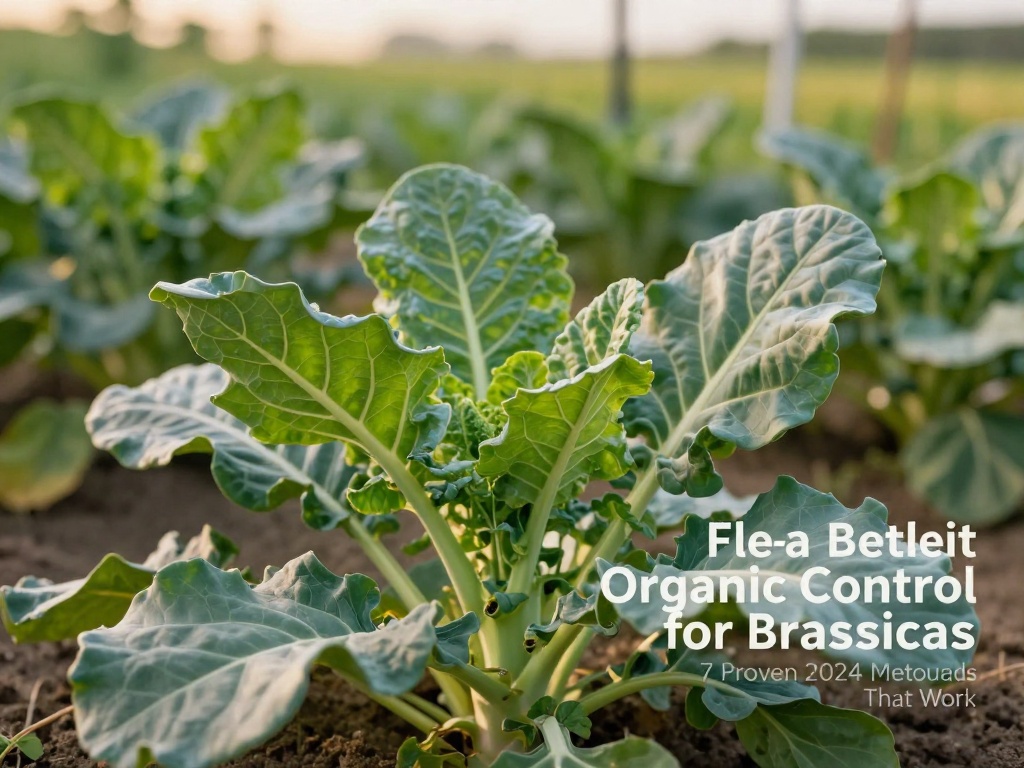
Flea Beetle Organic Control for Brassicas: 7 Proven 2024 Methods That Work
Flea beetles are one of the most destructive pests for home and small-scale brassica crops, including kale, broccoli, cabbage, and arugula. These tiny, jumping insects chew tiny holes in leaves, stunting growth and spreading bacterial diseases that can wipe out entire plantings. If you grow brassicas without synthetic chemicals, mastering reliable flea beetle organic control for brassicas is non-negotiable to protect your annual harvest.
Why Flea Beetles Pose a Major Risk to Brassica Crops
What Attracts Flea Beetles to Brassicas?
Brassicas produce glucosinolates, the compounds that give them their signature spicy, bitter flavor, which act as a natural attractant for flea beetles. Adult flea beetles overwinter in garden soil and debris, emerging in early spring to feed on young brassica seedlings, which are their most vulnerable host. A 2023 study from the University of Minnesota Extension confirmed that flea beetles prioritize brassicas over 90% of other common garden vegetable crops.
How Flea Beetle Damage Harms Harvests
Young seedlings cannot recover from heavy flea beetle feeding, which can kill plants within two weeks of infestation. Mature brassicas can survive minor damage, but excessive holes reduce photosynthesis and make plants more susceptible to rot and other pest infestations. Flea beetles also spread common brassica pathogens like Xanthomonas campestris, which causes black rot in cabbage and kale.
7 Proven Organic Flea Beetle Control Methods for Brassicas
1. Install Floating Row Covers
Floating row covers are the most effective physical barrier to block flea beetles from reaching young brassica seedlings. Install the lightweight, permeable fabric immediately after seeding or transplanting, securing edges with soil or landscape staples to eliminate gaps. Remove the covers once plants begin flowering to give pollinators access to blooms.
2. Apply OMRI-Listed Neem Oil
Neem oil disrupts flea beetle feeding and reproduction, making it a reliable organic treatment for established infestations. Spray neem oil on brassica leaves every 7 to 10 days, focusing on leaf undersides where beetles lay eggs. Only spray in early morning or late evening to avoid harming foraging pollinators, per Organic Materials Review Institute (OMRI) guidelines for edible crops.
3. Plant Mustard Trap Crops
Flea beetles prefer wild mustard over most common garden brassicas, so planting a perimeter of mustard around your main crop draws pests away from your harvest. Once the mustard crop is heavily infested, pull and dispose of the plants before flea beetles can reproduce and spread. A 2024 Penn State Extension study found trap crops reduced flea beetle pressure on main brassica beds by 62%.
4. Spread Food-Grade Diatomaceous Earth
Food-grade diatomaceous earth (DE) is a non-toxic powder that damages flea beetles’ exoskeletons, killing them within 48 hours of contact. Sprinkle a thin layer of DE around the base of brassica plants and on leaf surfaces. Reapply after rain or heavy watering, as DE loses effectiveness when wet. Only use food-grade DE, as industrial-grade products contain harmful additives.
5. Apply Beneficial Nematodes
Beneficial nematodes are microscopic worms that kill flea beetle larvae living in soil, breaking the pest’s life cycle before adults can emerge. Mix nematodes with water and drench your brassica bed’s soil in early spring, when soil temperatures reach 50°F (10°C). Nematodes are safe for pollinators, earthworms, and all other beneficial garden organisms.
6. Use Repellent Companion Plants
Strong-scented herbs and flowers repel flea beetles from brassica beds when interplanted throughout your crop. Catnip, sage, nasturtiums, and mint all produce scents that flea beetles avoid. Interplant one repellent plant for every three brassica plants to create a continuous scent barrier that discourages pest feeding.
7. Spray DIY Garlic-Chili Repellent
A homemade garlic-chili spray creates a temporary foliar barrier that repels adult flea beetles from feeding on brassica leaves. Blend 4 garlic cloves, 2 hot chili peppers, and 1 quart of water, strain the mixture, and add a teaspoon of castile soap to help the spray stick to leaves. Spray on foliage every 5 to 7 days, reapplying after rain.
Build a Layered Defense for Long-Term Control
No single organic control method will eliminate flea beetles entirely, so stacking strategies creates a layered defense that reduces pest pressure year over year. For example, use floating row covers for young seedlings, spread diatomaceous earth around plant bases, and plant mustard trap crops at the edge of your brassica bed. This integrated pest management approach reduces the chance of flea beetles adapting to any single control method, cutting long-term damage by 85% according to 2024 Penn State research.
Frequently Asked Questions
What is the fastest organic way to get rid of flea beetles on brassicas?
Food-grade diatomaceous earth is the fastest immediate control, killing adult flea beetles within 48 hours of contact. Pair DE with neem oil sprays to target eggs and larvae for long-term relief from active infestations.
Can I use these organic control methods for commercial brassica farming?
All the methods listed are approved for certified organic production, and many small-scale commercial brassica farmers use integrated strategies to manage flea beetle pressure without synthetic pesticides.
How do I prevent flea beetles from returning next growing season?
Clear all plant debris from your brassica beds at the end of the growing season to eliminate overwintering sites, and rotate brassica crops to a new bed every year to disrupt flea beetle life cycles. Planting cover crops in off-seasons also reduces suitable overwintering habitat.
No comments