
5 Blueberries Vertical Gardening Ideas for Your Balcony
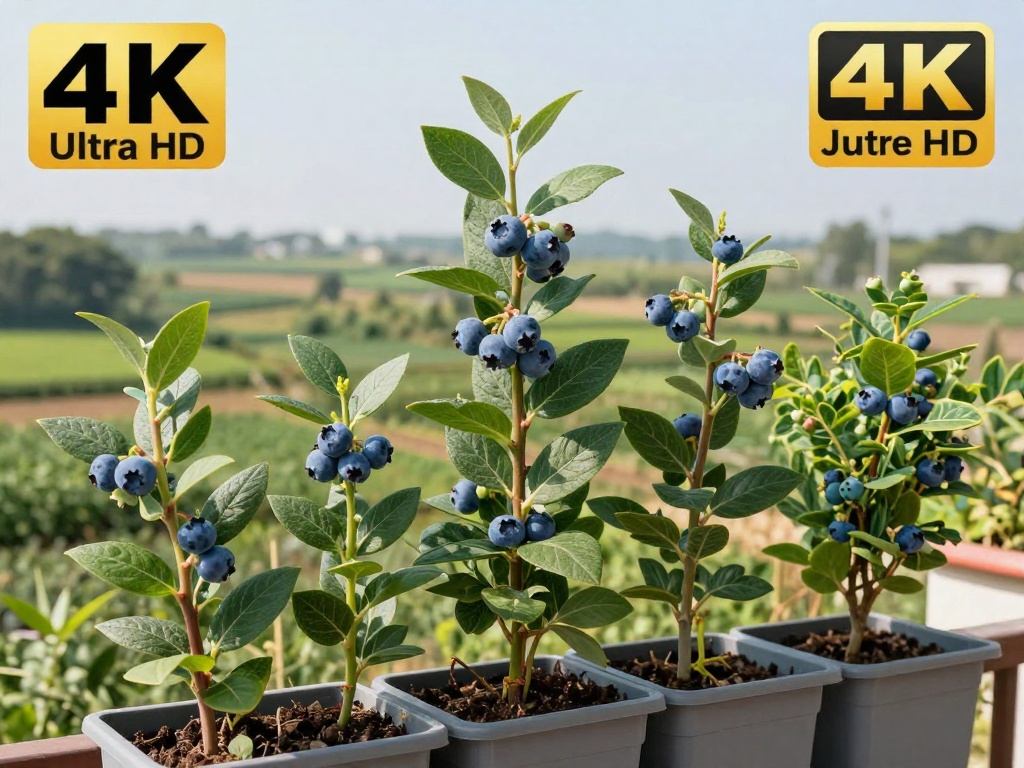
5 Blueberries Vertical Gardening Ideas for Your Balcony
Imagine stepping onto your balcony and picking fresh, sun-warmed blueberries from a vertical garden you built yourself. Blueberries vertical gardening on balcony spaces transforms limited areas into productive berry havens. Whether you have a tiny apartment balcony or a spacious terrace, growing blueberries vertically maximizes your harvest while adding natural beauty to your outdoor space. This comprehensive guide reveals five proven techniques to help you succeed with vertical blueberry cultivation.
Why Choose Vertical Gardening for Blueberries?
Traditional blueberry bushes require significant ground space, making them impractical for urban gardeners. Vertical gardening solves this challenge by training plants to grow upward rather than outward. This approach offers numerous advantages for balcony growers seeking fresh, organic berries.
Space Efficiency Benefits
Vertical structures can triple your growing capacity on the same footprint. A single vertical tower accommodates three to five blueberry plants that would otherwise require several square feet of floor space. This efficiency makes vertical gardening essential for urban agriculture enthusiasts working with limited balcony dimensions.
Improved Air Circulation and Health
Elevated plants benefit from better airflow, reducing fungal disease risks common in compact blueberry cultivation. Proper air circulation promotes stronger stems, healthier foliage, and more abundant fruit production throughout the growing season.
easier Harvesting and Maintenance
Vertical positioning brings berries within comfortable reach, eliminating the need for bending or crouching during harvest. Maintenance tasks like pruning, fertilizing, and pest inspection become significantly more manageable when plants are elevated to waist or chest height.
5 Best Blueberries Vertical Gardening Techniques for Balconies
1. Pallet Garden Towers
Repurposed wooden pallets create excellent vertical blueberry gardens with minimal cost. Secure landscape fabric to the pallet back and sides, fill with acid-loving plant soil, and plant blueberry seedlings in the gaps between slats. Position your pallet against a wall or railing for stable support.
Choose dwarf or compact blueberry varieties like "Sunshine Blue" or "Top Hat" for pallet gardening success. These cultivars reach only 18-24 inches tall, making them perfect for tight vertical spaces while producing surprisingly abundant harvests.
2. Hanging Basket Cascades
Stack three to five hanging baskets at varying heights from a ceiling-mounted hook or plant stand. Plant trailing or semi-erect blueberry varieties that cascade beautifully over basket edges. This method creates a stunning visual display while maximizing vertical space utilization.
Use high-quality potting mix specifically formulated for acid-loving plants. Maintain consistent moisture levels, as hanging baskets dry out faster than ground-level containers. Consider installing a drip irrigation system for reliable water delivery during hot summer months.
3. PVC Pipe Vertical Planters
Construct vertical planters from PVC pipes by cutting horizontal slots spaced 8-10 inches apart. Drill drainage holes, connect pipes vertically using elbow fittings, and fill with acidic soil mix. This DIY solution costs under $30 and can accommodate six to eight blueberry plants in a space just 6 inches wide.
Paint PVC pipes white or light colors to reflect sunlight and keep roots cooler during summer heat. Wrap pipes with insulating material if your balcony experiences temperature extremes, as container soil temperatures fluctuate more dramatically than ground soil.
4. Gutter Garden Systems
Mount rain gutters along a balcony wall or railing at multiple heights, creating a tiered growing system. Gutters work exceptionally well for blueberries because their shallow depth matches the plants' root structure preferences. Space each gutter level 12-15 inches apart for optimal light exposure.
Install end caps with drainage holes to prevent waterlogging. Line gutters with landscape fabric before adding soil to improve moisture retention while maintaining excellent drainage. This method works beautifully when mounted on sunny balcony walls receiving six or more hours of daily sunlight.
5. Tiered Plant Stand Display
Purchase or build a multi-tiered plant stand specifically designed for vertical gardening. Place different blueberry varieties on each tier, creating both a functional growing system and an attractive focal point for your balcony. Wooden plant stands with three to four shelves work excellently for small blueberry collections.
Position the stand to receive maximum sunlight, rotating plants between tiers seasonally if needed. This method allows you to experiment with multiple varieties, extending your harvest season by growing early, mid-season, and late-season cultivars together.
Best Blueberry Varieties for Vertical Balcony Gardening
Selecting appropriate varieties determines your vertical gardening success. Not all blueberry cultivars adapt equally well to container cultivation and vertical positioning. Focus on compact, hardy varieties bred specifically for small-space gardening.
Dwarf Southern Highbush Varieties
"Misty" and "Sunshine Blue" thrive in containers as compact plants reaching just 3 feet tall. These varieties require fewer chill hours, making them ideal for mild climate balconies. They produce abundant medium-sized berries with exceptional flavor.
Compact Northern Highbush Varieties
"Northblue" and "Northcountry" tolerate colder temperatures while maintaining manageable size. These sturdy varieties produce large, sweet berries perfect for fresh eating. Their attractive fall foliage adds seasonal beauty to balcony spaces.
Patio-Type Miniature Varieties
"Pink Lemonade" offers unique pink berries and striking ornamental value. "Peach Sorbet" features colorful foliage transitioning from peach to purple throughout seasons. These varieties rarely exceed 2 feet in height, making them perfect for the smallest vertical spaces.
Essential Soil and Nutrition Requirements
Blueberries demand acidic soil conditions thriving between pH 4.5 and 5.5. Standard potting mixes typically register near neutral pH, making amendment essential for vertical garden success. Test your soil pH regularly and adjust accordingly throughout the growing season.
Creating the Perfect Acidic Mix
Combine peat moss, pine bark, and perlite in equal parts for an excellent blueberry growing medium. Add elemental sulfur according to package directions based on your starting pH and container size. This combination provides optimal drainage while retaining sufficient moisture for healthy root development.
Fertilization Schedule
Feed blueberry plants with fertilizer specifically formulated for acid-loving plants every four to six weeks during active growth. Avoid over-fertilizing, as excessive nitrogen promotes leafy growth at the expense of fruit production. Organic options like blood meal or fish emulsion work excellently for organic gardeners.
Watering and Drainage for Vertical Blueberry Gardens
Proper hydration proves crucial for container-grown blueberries, especially in vertical systems where soil volume remains limited. Inconsistent watering leads to stressed plants producing fewer, smaller berries. Develop a reliable watering routine for consistent results.
Moisture Management Tips
Check soil moisture daily during summer by inserting your finger one inch deep. Water thoroughly until excess drains from container bottoms, then allow the top inch to dry slightly before watering again. Vertical gardens typically require more frequent watering than ground-level containers due to increased air circulation and evaporation.
Self-Watering Solutions
Consider installing self-watering inserts or reservoirs in your vertical planters. These systems provide consistent moisture levels while reducing daily watering requirements. They're especially valuable during vacation periods or hot weather when plants consume water rapidly.
Pollination Considerations for Vertical Blueberry Gardens
Most blueberry varieties produce better yields with cross-pollination from a different cultivar. Installing at least two compatible varieties within your vertical garden ensures abundant fruiting. Some self-fertile varieties exist, but even these produce heavier crops with nearby pollination partners.
Attract pollinators by planting companion flowers nearby or positioning your vertical garden where bees and butterflies visit regularly. Hand pollination using a small soft brush offers an alternative if natural pollination appears insufficient.
Winter Protection for Balcony Blueberries
Container blueberries face greater cold exposure than ground-planted specimens. Vertical gardens on exposed balconies require special winter preparation to protect roots from freezing temperatures. Implement protective measures before the first hard frost arrives.
Insulation Techniques
Wrap containers with burlap, bubble wrap, or foam insulation to protect root systems from temperature extremes. Cluster containers together and position against building walls for added warmth retention. Move containers to sheltered positions during extreme cold spells if possible.
Winter Dormancy Care
Blueberries require winter dormancy for healthy spring growth. Reduce watering during winter months while maintaining slight soil moisture. Avoid bringing plants into heated indoor spaces, as this disrupts their natural dormancy cycle and harms long-term productivity.
Common Pests and Disease Management
Vertical blueberry gardens encounter fewer soil-borne disease issues than traditional beds, but several pests may still target your plants. Regular monitoring allows early detection and treatment before significant damage occurs.
Preventive Measures
Inspect plants weekly for signs of aphids, spider mites, or Japanese beetles. Remove affected portions promptly and apply organic pest controls like neem oil when necessary. Maintain proper spacing between vertical planters to ensure adequate airflow and discourage fungal development.
Bird Protection Strategies
Birds frequently target ripening blueberries, potentially decimating harvests on exposed balconies. Install netting over your vertical garden once fruits begin coloring. Alternatively, use reflective tape or predator decoys to discourage bird visitation without harming wildlife.
Harvesting Your Vertical Blueberry Garden
Patience rewards vertical blueberry gardeners with abundant harvests typically beginning in year two or three after planting. Berries ripen over several weeks, allowing extended fresh eating periods. Harvest berries when they turn completely blue and detach easily from stems with minimal resistance.
Pick berries every few days during peak production to encourage continued flowering and fruiting. Fresh blueberries keep refrigerated for up to two weeks or freeze exceptionally well for year-round enjoyment in smoothies, baking, and preserves.
FAQ
Can blueberries really grow successfully in vertical gardens on balconies?
Absolutely! Blueberries adapt remarkably well to vertical container gardening when provided with acidic soil, adequate sunlight, and proper care. Compact varieties bred for container cultivation thrive in vertical systems, producing abundant harvests despite limited horizontal space.
How much sunlight do vertical blueberry gardens need?
Blueberries require minimum six hours of direct sunlight daily for optimal growth and fruiting. South-facing or west-facing balconies typically provide ideal sun exposure. If your balcony receives less light, focus on shade-tolerant varieties like "Sunshine Blue" and accept potentially reduced yields.
What is the ideal pH level for blueberry soil in vertical gardens?
Blueberries thrive in acidic soil with pH between 4.5 and 5.5. This acidity level enables proper nutrient absorption, particularly iron, which blueberries require in higher quantities than most plants. Test soil pH monthly and amend with elemental sulfur or aluminum sulfate if levels rise above 5.5.
How often should I water my vertical blueberry garden?
Vertical blueberry gardens typically require watering every one to two days during summer months, depending on climate and container size. Check soil moisture daily during hot weather by feeling the top inch of soil. Water thoroughly when the top inch feels dry, ensuring excess drains from container bottoms.
Do I need two different blueberry varieties for pollination?
While some blueberry varieties are self-fertile, planting two or more different varieties significantly improves pollination rates and fruit production. Cross-pollination increases berry size, quantity, and overall quality. Choose varieties with overlapping bloom periods for best results.
How do I protect vertical blueberry gardens from winter freezing?
Insulate containers with burlap, foam, or bubble wrap before winter arrives. Group containers together against walls for shared warmth retention. Move plants to sheltered balcony areas during extreme cold events. Maintain slight soil moisture throughout winter without allowing containers to dry completely.
No comments