
10 Proven Tips for Carrots Organic Gardening in Sandy Soil
10 Proven Tips for Carrots Organic Gardening in Sandy Soil
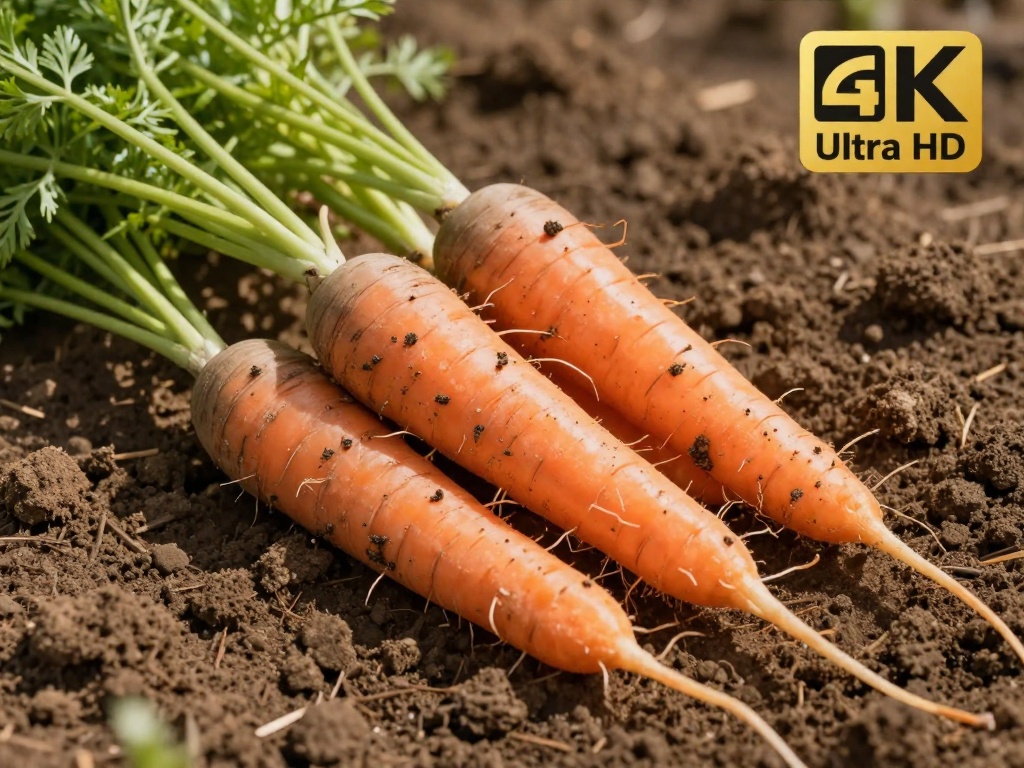
Carrots organic gardening in sandy soil offers excellent drainage and root-friendly conditions that many vegetables simply cannot tolerate. Sandy soil warms up quickly in spring, allowing for earlier planting, and makes harvesting clean, unblemished carrots remarkably easy. This combination makes it one of the best soil types for growing carrots when managed correctly. In this guide, you will discover ten proven strategies to maximize your carrot harvest using completely organic methods.
Why Sandy Soil is Ideal for Carrots
Sandy soil provides exceptional drainage that prevents waterlogging, a common killer of carrot seeds and young seedlings. The loose, friable texture allows carrot roots to penetrate deep into the earth without encountering resistance or becoming deformed. These conditions result in straight, uniform carrots with smooth skin and excellent flavor.
Benefits of Sandy Soil for Carrot Cultivation
- Superior drainage prevents root rot and fungal diseases
- Loose texture promotes straight root development
- Early soil warming extends the growing season
- Easy harvesting without root breakage
- Reduced soil-borne disease pressure
Challenges to Address
Despite its advantages, sandy soil lacks essential nutrients and struggles to retain moisture during hot summer months. Carrots grown in sand without proper amendments often develop bitter flavor and pale coloration. Understanding these limitations allows you to implement targeted solutions for thriving carrot crops.
Preparing Your Sandy Soil Organically
Successful carrots organic gardening in sandy soil begins with proper soil preparation. Work at least two inches of mature compost into the top six inches of your garden bed. This organic matter dramatically improves water retention while maintaining the drainage benefits you need. Apply compost in early spring, several weeks before your planned planting date.
Building Rich, Dark Soil Structure
Transform pale, nutrient-poor sand into fertile growing medium by layering organic materials throughout the season. Top-dress established carrot beds with thin layers of compost tea or worm castings every three weeks. These organic amendments feed soil microorganisms that, in turn, make nutrients available to your carrot plants.
Testing and Adjusting Soil pH
Carrots prefer slightly acidic to neutral soil with pH between 6.0 and 6.8. Sandy soils often test too acidic, so conduct a soil test before planting. If adjustment is needed, work in agricultural lime according to organic gardening recommendations. Retest after six weeks to confirm your pH has reached optimal levels.
Choosing the Best Carrot Varieties for Sandy Soil
Not all carrot varieties perform equally well in sandy conditions. Long, slender Nantes varieties excel because they require minimal resistance to reach their full potential. These carrots develop smooth skin and tender cores without the stress that heavier soils impose.
Recommended Varieties
- Nantes Coreless: Sweet, tender, and perfect for sandy gardens
- Scarlet Nantes: Reliable producer with excellent storage qualities
- Danvers Half Long: Adaptable variety tolerating various soil conditions
- Purple Haze: Stunning color and strong growth in loose soil
- Thumbelina: Ideal for container gardens with sandy potting mix
Avoiding Problem Varieties
Short, rounded carrot varieties were bred for heavy clay soils and will not perform well in sand. Skip Chantenay types unless you plan to heavily amend your beds with clay. Focus instead on varieties specifically recommended for loose, well-drained soils.
Planting Techniques for Sandy Garden Beds
Direct sow carrot seeds into prepared beds rather than transplanting seedlings. Carrot roots develop taproots that resent disturbance, making direct seeding essential for straight, healthy specimens. Plant seeds shallowly, no more than one-quarter inch deep, as they require light for germination.
Spacing and Row Preparation
Create shallow furrows two inches apart for dense planting that naturally suppresses weeds. Alternatively, space rows twelve inches apart for easier cultivation between plants. Cover seeds lightly with fine compost rather than native sand, as this moisture-retaining layer improves germination rates significantly.
Germination Strategies
Carrot seeds germinate slowly in cool soil, often requiring fourteen to twenty-one days. Mix seeds with sand before planting to ensure even distribution and avoid overcrowding. Cover seed rows with damp burlap or row cover fabric to maintain moisture until sprouts appear.
Organic Watering Practices for Sandy Soil
Sandy soil drains rapidly, requiring more frequent irrigation than clay-based gardens. Implement deep, infrequent watering sessions rather than light daily sprinklings. This approach encourages carrot roots to grow deeply in search of moisture, producing longer, more resilient specimens.
Drip Irrigation Advantages
Install drip irrigation lines beneath mulch to deliver water directly to root zones. This method reduces evaporation losses common in sandy soil while preventing foliar diseases that splashing water can spread. Automated systems ensure consistent moisture levels even during vacation periods.
Mulching for Moisture Retention
Apply three inches of organic straw mulch around carrot plants to dramatically reduce water loss. Mulch moderates soil temperature, keeping roots cool during hot summer weather. As straw decomposes, it adds organic matter to your sandy soil, improving its overall quality season after season.
Organic Fertilization Schedule
Carrots organic gardening in sandy soil requires regular nutrient supplementation due to leaching. Apply balanced organic fertilizers low in nitrogen but higher in phosphorus and potassium. Excessive nitrogen produces beautiful tops but forked, hairy roots rather than smooth, sweet carrots.
Key Nutrients for Carrot Development
- Phosphorus: Promotes strong root development and early growth
- Potassium: Enhances flavor, storage quality, and disease resistance
- Calcium: Prevents blossom end rot and tip burn
- Boron: Essential for proper cell wall development
Organic Fertilizer Options
Use fish emulsion, seaweed extract, or composted chicken manure as your primary nitrogen sources. Side-dress with rock phosphate and greensand at mid-season to boost phosphorus and potassium levels. Foliar spray with liquid kelp every two weeks for micronutrient insurance.
Managing Pests Organically
Carrot flies and nematodes pose the greatest threats to organic carrot crops in sandy soil. These pests thrive in soil conditions that carrots love, requiring proactive management strategies. Prevention through companion planting and physical barriers proves far more effective than treatment.
Carrot Fly Prevention
Install fine mesh row covers immediately after seeding to prevent carrot flies from landing and laying eggs. Companion plant onions, garlic, or chives between carrot rows as their strong scent confuses carrot fly navigation. Harvest promptly when carrots mature to avoid attracting lingering pests.
Nematode Management
Rotate carrot plantings with marigold cover crops to suppress harmful nematodes naturally. Avoid planting carrots in the same location for three consecutive years to break pest life cycles. Solarize beds during summer by covering moist soil with clear plastic for six weeks before replanting.
Weed Control in Sandy Carrot Beds
Weeds compete aggressively with shallow-rooted carrot seedlings for water and nutrients. Sandy soil makes weed removal easier than clay, but vigilance remains essential during the slow germination period. Establish a consistent weeding routine to maintain clean beds throughout the season.
Cultivation Techniques
Use a hoe with a stirrup blade for shallow cultivation between rows without disturbing carrot roots. Weed carefully by hand within row spacing, as carrots cannot compete effectively against aggressive neighbors. Apply fresh straw mulch between rows to smother emerging weed seedlings.
Timing Your Weed Control
Weed immediately after watering or rain when soil is moist and roots slide out easily. Avoid cultivating when soil is dry, as this damages delicate carrot taproots. The critical period for weed-free conditions spans from germination through plants reaching four inches tall.
Harvesting Your Organic Carrots
Carrots organic gardening in sandy soil produces harvest-ready roots approximately sixty to seventy-five days after seeding. Loosen soil around each carrot with a garden fork before pulling to prevent breaking tops. Harvest in the evening when sugar content peaks for sweetest flavor.
Signs of Maturity
- Shoulders emerge above soil line indicating full diameter
- Expected days-to-maturity have passed for your variety
- Foliage color remains healthy and green
- Soil cracks appear above developing roots
Storage and Preservation
Remove tops immediately after harvesting to prevent moisture loss from the root. Store unwashed carrots in perforated bags within a refrigerator crisper drawer. For longer preservation, pack carrots in sand or sawdust within a cool basement or root cellar.
Season Extension for Sandy Soil Gardens
Sandy soil warms quickly in early spring, giving you a head start on the growing season. Plant your first carrot crop three weeks before your last expected frost date. Install low tunnels with row cover fabric to protect tender seedlings from late freezes.
Fall Planting Strategy
Sow fall carrot crops twelve weeks before your first expected autumn frost. Sandy soil drainage prevents fall crops from rotting in wet autumn conditions. Apply thick mulch as temperatures drop to extend harvest into early winter in mild climates.
Building Long-Term Soil Fertility
Successful carrots organic gardening in sandy soil improves with each passing season as organic matter accumulates. Continue amending beds with compost, cover crops, and organic mulches annually. Within three years, you will notice dramatically improved water retention and nutrient-holding capacity.
Cover Crop Rotation
Plant winter cover crops like crimson clover or winter rye in carrot beds after fall harvest. These plants fix nitrogen, prevent erosion, and add substantial organic matter when incorporated in spring. Sandy soil responds particularly well to regular cover cropping protocols.
FAQ: Carrots Organic Gardening in Sandy Soil
How often should I water carrots grown in sandy soil?
Water carrots deeply every two to three days during warm weather, adjusting frequency based on rainfall and temperature. Sandy soil requires more frequent irrigation than clay because water passes through rapidly. Monitor soil moisture at root depth and increase watering when the top inch feels completely dry.
What is the best organic fertilizer for carrots in sandy soil?
Apply a balanced organic fertilizer with lower nitrogen and higher phosphorus-potassium content, such as 5-10-10 or 8-16-16 formulations. Fish emulsion, seaweed extract, and composted manures work excellently for organic carrot production. Avoid high-nitrogen fertilizers that promote lush tops at the expense of root development.
Why are my carrots growing deformed in sandy soil?
Deformed carrots in sandy soil typically result from inconsistent moisture, fresh organic matter amendments, or soil compaction below the planting zone. Ensure regular watering, amend only well-decomposed compost, and deeply cultivate beds before planting. Rock phosphate mixed into soil also helps prevent forking.
Can I grow carrots organically in pure sand without amendments?
Carrots cannot thrive in pure sand alone because it lacks nutrients and moisture retention capacity. You must add substantial organic matter like compost, aged manure, or coconut coir to create viable growing conditions. Without amendments, carrots will be bitter, pale, and stunted.
No comments