
Melon Organic Gardening: Easy Method for Sweet Harvests
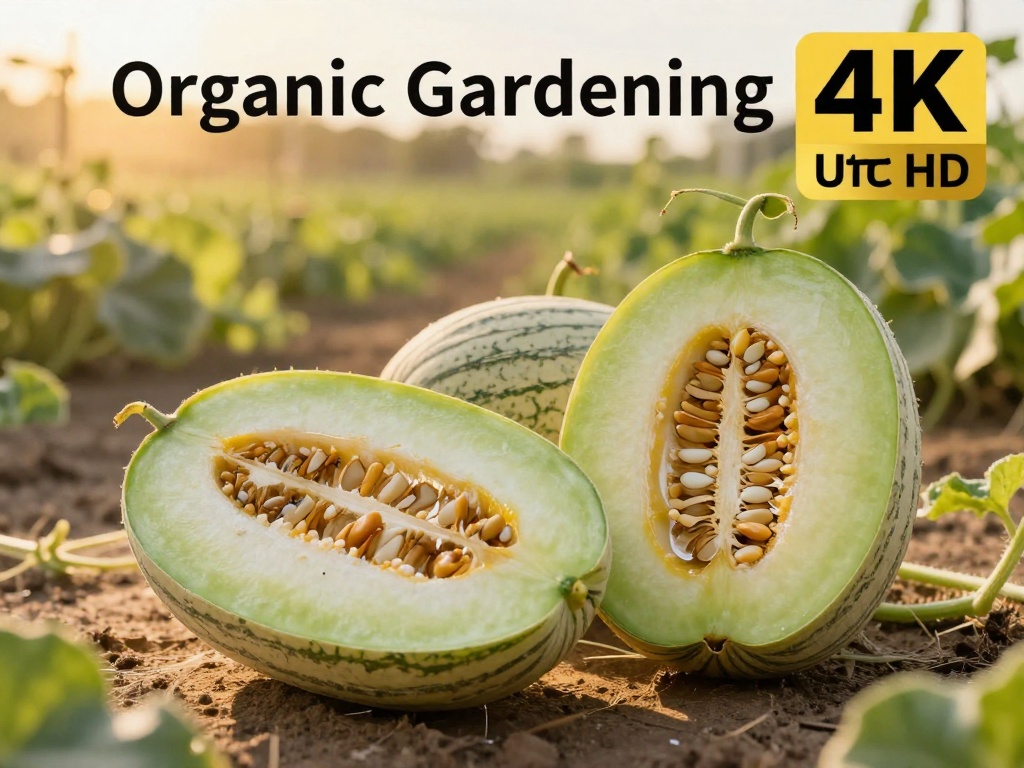
Melon Organic Gardening: Easy Method for Sweet Harvests
Melon organic gardening offers one of the most rewarding experiences for home growers seeking delicious, chemical-free fruit right from their backyard. Growing melons organically might seem challenging, but with the right easy method, even beginner gardeners can achieve impressive harvests of sweet, juicy cantaloupes and honeydews. This comprehensive guide walks you through a straightforward approach to cultivating melons naturally, ensuring your plants thrive without synthetic fertilizers or pesticides.
Why Choose Organic Melon Gardening
Organic melon gardening provides numerous advantages that extend beyond simply producing tasty fruit. When you grow melons organically, you eliminate exposure to harmful chemical residues while nurturing soil health and supporting beneficial insect populations. The absence of synthetic inputs means your garden ecosystem remains balanced and sustainable year after year.
Health Benefits of Organic Melons
Organically grown melons contain higher concentrations of antioxidants, vitamins, and minerals compared to conventionally grown varieties. Studies from agricultural universities confirm that organic produce often has superior nutritional profiles. Additionally, homegrown melons are harvested at peak ripeness, guaranteeing maximum flavor and nutritional value that store-bought options simply cannot match.
Environmental Impact
Choosing organic methods protects groundwater from contamination, preserves beneficial organisms like bees and ladybugs, and reduces your carbon footprint. Organic gardening practices also improve soil structure through natural composting, creating a self-sustaining growing environment that improves with each season.
The Easy Method: Step-by-Step Melon Organic Gardening
Step 1: Selecting the Right Melon Varieties
Success begins with variety selection suited to your climate and growing season. For beginners, these melon varieties prove most forgiving: Sugar Cube cantaloupe matures in 80 days and offers excellent disease resistance, while Sun Jewel Asian melon thrives in hot conditions. Minnesota Midget provides an ultra-compact plant perfect for containers and small gardens. Choose varieties labeled as disease-resistant to minimize potential problems.
Step 2: Preparing the Ideal Growing Site
Melons demand full sun exposure—at least 8 hours of direct sunlight daily—and well-draining soil with a pH between 6.0 and 6.8. Select a location that receives morning sun to dry dew quickly, which prevents fungal diseases. If your soil tends toward clay, amend it with generous amounts of aged compost and sand to improve drainage. Raised beds work exceptionally well for melon cultivation.
Step 3: Starting Seeds Indoors or Direct Sowing
For cooler climates, start seeds indoors 3-4 weeks before the last expected frost. Plant seeds in biodegradable pots to avoid transplant shock. In warmer regions with long growing seasons, direct sow seeds after all frost danger passes and soil temperatures reach at least 70°F (21°C). Plant seeds one inch deep, spacing plants 36 inches apart in rows 6 feet apart to allow vines adequate room to spread.
Step 4: Building Rich Organic Soil
Melons are heavy feeders requiring nutrient-rich soil throughout their growth cycle. Before planting, work 3-4 inches of aged compost into the top 6 inches of soil. This provides slow-release nutrition while improving soil structure. Side-dress plants with additional compost when vines begin running, and apply a thick mulch layer to retain moisture, suppress weeds, and maintain consistent soil temperatures.
Step 5: Watering Techniques for Thriving Melons
Proper watering proves critical for melon success. Provide consistent moisture by watering deeply at soil level, avoiding wetting foliage which invites disease. Melons need 1-2 inches of water weekly, increasing to 2 inches during hot, dry periods. Reduce watering as fruits approach maturity—this concentration of sugars creates sweeter melons. Drip irrigation systems work wonderfully for maintaining optimal moisture levels without waste.
Step 6: Natural Pest and Disease Management
Organic pest control relies on prevention and natural solutions. Encourage beneficial insects by planting flowers like marigolds and nasturtiums nearby. For common pests like aphids and cucumber beetles, spray plants with a mixture of water and neem oil. Prevent fungal diseases through proper plant spacing, morning watering, and removing any infected leaves immediately. Row covers protect young seedlings from flying insects while allowing light and air circulation.
Step 7: Knowing When to Harvest
Harvesting at peak ripeness ensures the sweetest possible melons. Signs of readiness include a sweet fragrance at the blossom end, slight softening when pressed gently, and the fruit separating easily from the vine with minimal effort. The rind color changes from green to the characteristic tan or yellow depending on variety. Morning harvesting when fruits are still cool delivers the best texture and flavor.
Common Mistakes to Avoid in Melon Organic Gardening
Even experienced gardeners encounter challenges with melon cultivation. Overwatering remains the most frequent error, leading to bland fruit and root problems. Avoid planting melons where other cucurbits grew recently, as disease organisms persist in soil. Never apply fresh manure directly to melon beds—it burns plants and introduces pathogens. Finally, resist the temptation to rush harvest; patience truly rewards growers with superior sweetness.
Troubleshooting Tips
If plants appear yellow despite adequate watering, they likely need nitrogen—apply fish emulsion or composted chicken manure. Poor fruit set often indicates missing pollinators; hand-pollinate by transferring pollen from male to female flowers using a small paintbrush. Splitting fruits result from irregular watering; establish a consistent schedule and mulch heavily to maintain moisture levels. Bitter-tasting melons typically indicate excessive heat stress or inadequate potassium levels.
FAQ
What is the best month to plant melons for organic gardening?
The ideal planting time depends on your climate zone. In most regions, plant melon seeds or transplants 2-3 weeks after the last spring frost when soil has thoroughly warmed. Melons require 70-90 frost-free days to mature, so calculate backward from your first fall frost date to determine the optimal planting window for your area.
Can melons be grown in containers using organic methods?
Yes, compact varieties like Minnesota Midget and Sugar Cube adapt well to container growing. Use at least a 5-gallon container with drainage holes, filled with premium organic potting mix. Container melons need more frequent watering and feeding, but they produce admirably when given full sun, consistent moisture, and regular applications of organic liquid fertilizer.
How do I improve soil for organic melon gardening without buying expensive amendments?
Create free, nutrient-rich soil by starting a compost pile with kitchen scraps, yard waste, and fallen leaves. Save money by making your own organic matter through sheet mulching—layering cardboard, grass clippings, and compost directly over lawn areas months before planting. Growing cover crops like clover and winter rye adds nitrogen naturally when tilled into soil the following season.
No comments