
Parsley Vertical Gardening: Step-by-Step Guide for 2026
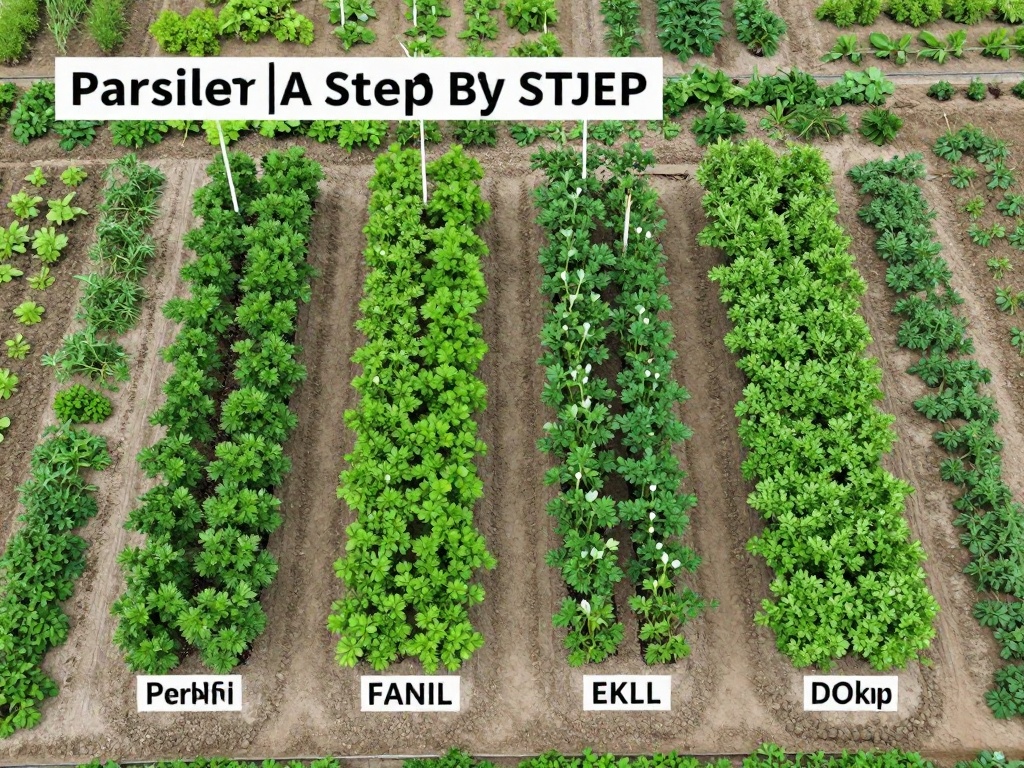
Parsley Vertical Gardening: Step-by-Step Guide for 2026
Vertical gardening has transformed how we grow herbs in limited spaces, and parsley vertical gardening step by step is easier than you might think. Whether you have a small balcony, a cramped kitchen, or just a sunny wall, you can cultivate abundant fresh parsley using vertical techniques. This guide walks you through every stage, from selecting the right variety to harvesting your first bountiful crop.
Why Choose Vertical Gardening for Parsley?
Traditional flat gardens require significant ground space that many urban gardeners simply do not have. Vertical gardening solves this problem by utilizing upward growth patterns, making it perfect for apartment dwellers and homeowners with limited yard areas. Parsley thrives when grown vertically because the improved air circulation reduces fungal disease risks while the elevated position makes harvesting more convenient.
Additionally, vertical parsley gardens add aesthetic appeal to outdoor walls, kitchen counters, and patio spaces. The lush green foliage creates a living wall effect that serves both decorative and culinary purposes. Growing parsley vertically also keeps the plants away from ground pests like slugs and snails, resulting in healthier, cleaner harvests.
Benefits of Vertical Parsley Cultivation
- Maximizes limited space in urban environments
- Reduces pest and disease pressure
- Provides easier access for watering and harvesting
- Creates attractive living décor elements
- Enables better sunlight exposure control
Choosing the Right Parsley Variety
Not all parsley varieties perform equally well in vertical gardens. Understanding the differences between types helps you select the best option for your setup. Flat-leaf parsley (Petroselinum crispum var. neapolitanum) offers superior flavor for cooking and tends to grow more vigorously in containers. Curly parsley (Petroselinum crispum) provides ornamental value with its ruffled leaves but grows slightly more compact.
Flat-Leaf vs. Curly Parsley for Vertical Gardens
Flat-leaf varieties like Italian parsley typically reach heights of 24-36 inches and produce larger leaves that are easier to harvest. These varieties perform exceptionally well in hanging pockets and tiered planters. Curly parsley varieties grow more compactly at 12-18 inches tall, making them ideal choices for smaller vertical systems and tighter spacing arrangements.
Consider your culinary preferences and available vertical space when selecting varieties. Many gardeners plant both types to enjoy different flavors and textures in their kitchen creations.
Essential Materials and Equipment
Gathering the right materials before beginning ensures a smooth installation process. The essential supplies include a sturdy vertical frame or support system, appropriate planting containers, quality potting mix, and healthy parsley seedlings or seeds. Investing in durable materials upfront prevents future maintenance issues and extends the life of your vertical garden.
Vertical Garden Systems Explained
Tower Planters: Freestanding cylindrical containers with multiple planting pockets stacked vertically. These work well for balconies and patios.
Wall-Mounted Pockets: Fabric or felt pockets attached directly to walls or fences. These lightweight systems work excellently indoors and outdoors.
Hanging Basket Systems: Multiple baskets hung at varying heights from a single overhead support. This approach works particularly well in greenhouses and sunrooms.
Trellis Grown in Containers: Supporting parsley in large pots with attached trellising. This method works well for gardeners who want to move their vertical garden seasonally.
Step 1: Selecting the Perfect Location
Parsley requires 6-8 hours of direct sunlight daily for optimal growth and flavor development. South-facing walls and windows typically provide the best light exposure for vertical herb gardens. If natural light is limited, supplement with full-spectrum grow lights positioned 6-12 inches from the foliage.
Temperature considerations matter significantly for parsley vertical gardening. Parsley prefers cooler temperatures between 60-70°F (15-21°C) and will bolt (flower prematurely) in excessive heat. In hotter climates, position your vertical garden where it receives morning sun but afternoon shade to prevent stress.
Assessing Light Conditions
Observe your potential growing location throughout the day before installing your vertical system. Document which areas receive consistent sunlight and which remain shaded. East-facing locations work well in hot climates, while west-facing spots suit cooler northern regions. Indoor vertical gardens near kitchen windows offer convenient access for cooking while providing adequate light.
Step 2: Installing Your Vertical Structure
Proper installation of your vertical gardening framework ensures stability and longevity. Begin by securing wall-mounted systems to studs or using appropriate wall anchors rated for the total weight when fully planted and watered. Freestanding towers should be positioned on level surfaces with wider bases for added stability in windy conditions.
For pocket-style systems, arrange pockets starting from the bottom to prevent shading of lower plants by upper containers. Leave adequate spacing between pockets—typically 8-12 inches—to allow each parsley plant room to develop fully. Tight spacing creates competition for light and nutrients, resulting in weaker plants.
Ensuring Proper Drainage
Water drainage is critical in vertical systems because excess moisture cannot simply soak into surrounding soil. Install drainage trays beneath freestanding systems and ensure wall-mounted pockets have open bottoms or adequate drainage holes. Consider adding a simple drip irrigation system for consistent moisture delivery, which proves especially valuable in multi-tiered vertical gardens where hand watering can be challenging.
Step 3: Preparing Growing Medium
Quality potting mix forms the foundation of successful parsley vertical gardening step by step. Use a lightweight, well-draining potting formulation specifically designed for containers. Avoid garden soil, which compacts too heavily in vertical containers and may harbor soil-borne diseases.
The ideal growing medium for parsley contains a blend of peat moss or coconut coir for moisture retention, perlite or vermiculite for drainage and aeration, and compost or worm castings for nutrients. Commercial potting mixes labeled for herbs or vegetables work excellently and save preparation time.
Adding Slow-Release Fertilizer
Incorporate organic slow-release fertilizer granules into your potting mix before planting. A balanced fertilizer with equal nitrogen, phosphorus, and potassium (such as 10-10-10) supports healthy leaf growth without promoting premature flowering. Follow package instructions carefully to avoid over-fertilization, which damages parsley roots in containers.
Step 4: Planting Your Parsley
You have two options for establishing parsley in your vertical garden: transplanting seedlings or direct sowing seeds. Transplanting nursery seedlings provides a head start of several weeks and is recommended for beginners. When transplanting, gently remove seedlings from their nursery containers, loosen the root ball, and plant at the same depth they occupied previously.
If starting from seeds, plant 2-3 seeds per pocket at approximately 1/4 inch depth. Germination typically takes 14-28 days as parsley seeds are notoriously slow to sprout. Maintain consistent moisture during germination and thin seedlings to the strongest plant per pocket once they develop their second set of true leaves.
Proper Spacing Guidelines
Each parsley plant requires approximately 6-8 inches of horizontal space to develop properly. In vertical systems with limited container depth, provide at least 6 inches of soil depth to accommodate root development. Overcrowding leads to poor air circulation, increased disease susceptibility, and stunted growth that defeats the purpose of vertical gardening.
Step 5: Ongoing Care and Maintenance
Consistent care keeps vertical parsley gardens thriving throughout the growing season. Watering frequency depends on your specific climate, container size, and drainage characteristics. Check soil moisture daily during hot weather by inserting your finger 1-2 inches into the potting mix. Water thoroughly whenever the top inch feels dry, allowing water to flow through the entire container.
Nutrient requirements increase as parsley plants mature. Apply diluted liquid fertilizer every 2-3 weeks during active growth to maintain vigorous foliage production. Fish emulsion, seaweed extract, and compost tea all work excellently for organic parsley cultivation and won't burn delicate roots when properly diluted.
Pruning and Harvesting Techniques
Regular harvesting encourages bushier growth and prevents parsley from becoming leggy. Begin harvesting once plants have at least 8-10 leaves, taking outer stems first and leaving the central growing point intact. Cut stems at their base rather than picking individual leaves, which damages the plant and reduces future production.
Remove any yellowing or damaged leaves promptly to maintain plant health and appearance. If your parsley begins flowering, pinch off flower heads immediately to prolong leaf production. Once parsley bolts and produces flowers, leaf quality declines significantly, and the plant's energy redirects to seed production.
Common Problems and Solutions
Even well-maintained vertical gardens occasionally face challenges. Yellowing leaves often indicate overwatering or nutrient deficiency—adjust your watering schedule and consider supplemental feeding. Leggy, pale growth suggests insufficient light, requiring either relocation or supplemental lighting installation.
Aphids occasionally colonize parsley, particularly in indoor settings. Control these pests by spraying plants with a strong stream of water or applying insecticidal soap according to label directions. Spider mites may appear during hot, dry conditions—increasing humidity around your vertical garden helps prevent infestations.
Preventing Root Rot in Vertical Systems
Root rot poses the greatest threat to parsley in vertical containers because excess water cannot escape into surrounding soil. Prevent this problem by ensuring all containers have adequate drainage holes, using fast-draining potting mix, and avoiding overwatering. If you notice wilting despite moist soil, roots may already be rotting—remove affected plants immediately and replant fresh parsley in sterilized containers with new potting mix.
Extending Your Growing Season
Vertical gardens offer unique advantages for season extension compared to traditional gardens. Move portable vertical systems indoors during cold weather to continue harvesting fresh parsley year-round. Kitchen windowsills, heated sunrooms, and under grow lights all provide suitable winter growing environments.
For outdoor gardens, cover vertical plantings with row cover fabric or plastic when frost threatens. The elevated position of vertical gardens often provides some natural frost protection compared to ground-level plantings. Mulching around container bases helps insulate roots from temperature fluctuations.
Final Thoughts on Parsley Vertical Gardening
Growing parsley vertically combines practical space-saving benefits with the satisfaction of harvesting fresh herbs from your own garden. The step-by-step approach outlined in this guide ensures success whether you're a complete beginner or an experienced gardener exploring new techniques.
Remember that patience is essential when growing parsley—these herbs develop more slowly than many vegetables but reward consistent care with abundant, flavorful harvests. Start small with a single vertical planter, master the basics, then expand your vertical garden as your confidence grows.
FAQ
How long does parsley take to grow in a vertical garden?
Parsley typically requires 70-90 days from seed to harvestable maturity. Transplants from nurseries reduce this timeline to approximately 30-45 days. Growth rate depends significantly on light exposure, temperature, and consistent care practices throughout the growing period.
Can parsley grow vertically indoors year-round?
Yes, parsley thrives indoors in vertical gardens when provided with adequate light from sunny windows or supplemental grow lights. Maintain temperatures between 60-70°F (15-21°C) and provide good air circulation to prevent fungal issues. Indoor vertical gardens can produce fresh parsley continuously for 1-2 years with proper care.
What is the best vertical system for growing parsley?
The best system depends on your available space and aesthetic preferences. Wall-mounted pocket systems work excellently for small spaces and provide easy harvesting access. Tower planters offer higher production capacity in a compact footprint. Both systems produce excellent results when properly maintained with quality potting mix and consistent watering schedules.
No comments