
Watermelon Container Gardening in Full Sun: 10 Expert Tips
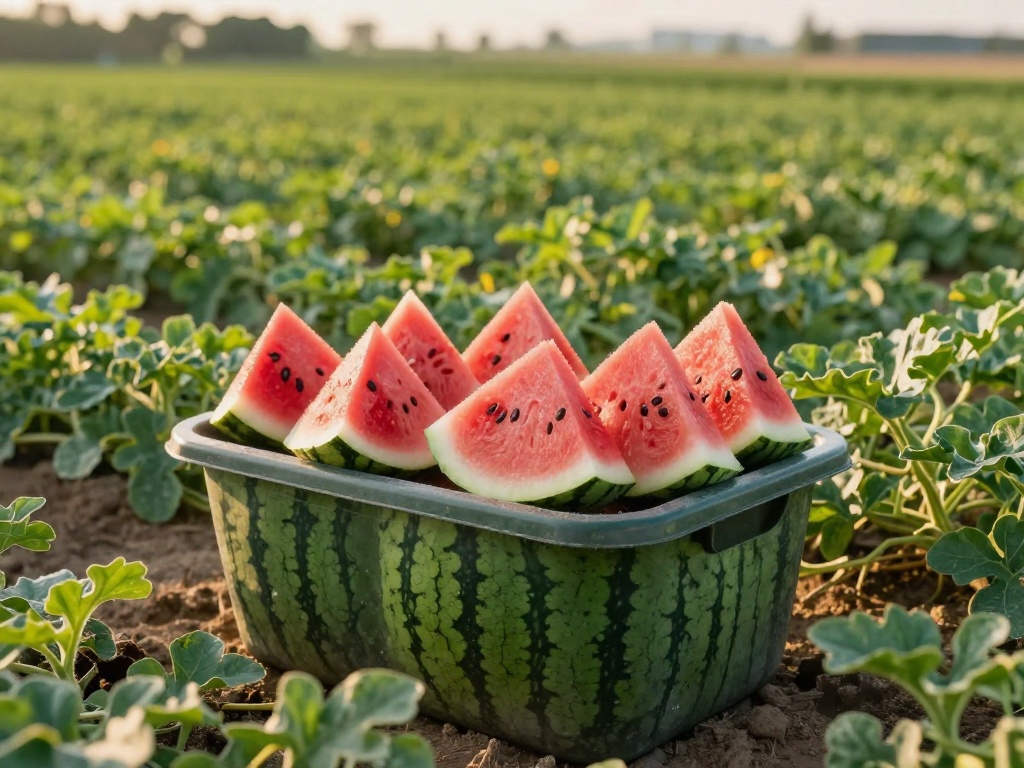
Watermelon Container Gardening in Full Sun: 10 Expert Tips
Watermelon container gardening in full sun offers a rewarding way to grow sweet, juicy melons even in limited spaces. Whether you have a small patio, balcony, or rooftop garden, you can successfully cultivate these refreshing fruits with the right techniques and conditions. This comprehensive guide provides ten expert tips to help you achieve a bountiful harvest of homegrown watermelons grown in containers under the full sun.
Why Choose Container Gardening for Watermelons?
Container gardening transforms any sunny spot into a productive watermelon patch. This approach eliminates many traditional garden challenges while offering unique advantages for urban and space-constrained gardeners. Growing watermelons in containers also allows you to move plants to optimize sun exposure throughout the growing season.
Key Advantages
- Perfect for patios, balconies, and small spaces
- Better control over soil quality and drainage
- Easier management of pests and diseases
- Ability to move containers for optimal sun positioning
- Reduced risk of soil-borne diseases
Selecting the Right Container
The foundation of successful watermelon container gardening in full sun begins with choosing an appropriate container. Watermelon plants develop extensive root systems that require ample space to thrive and produce quality fruit.
Container Size Requirements
Select containers that are at least 18 inches deep and 24 inches wide for optimal root development. Dwarf or bush watermelon varieties can work in containers as small as 15 gallons, while standard varieties require containers holding 20-30 gallons of soil. Always ensure your containers have adequate drainage holes to prevent waterlogging, which can cause root rot in watermelon plants.
Material Considerations
Plastic, fabric grow bags, and wooden containers work excellently for watermelon container gardening in full sun. Dark-colored containers absorb more heat, which benefits watermelons growing in cooler climates, while light-colored containers help prevent overheating in extremely hot regions.
Choosing the Best Watermelon Varieties
Not all watermelon varieties perform equally well in containers. Selecting the right cultivar significantly impacts your chances of success with watermelon container gardening in full sun.
Recommended Container-Friendly Varieties
- Sugar Baby: Compact bush habit, produces 8-10 pound fruits
- Crimson Sweet: Excellent flavor, disease resistant
- Mini Love: Personal-sized melons, perfect for containers
- Moon and Stars: Unique appearance, good yield
- Jubilee: Larger fruit, requires bigger containers
Optimal Soil Mix for Containers
Watermelon container gardening in full sun requires a carefully balanced growing medium that provides excellent drainage while retaining sufficient moisture and nutrients for healthy plant growth.
DIY Potting Mix Recipe
Combine equal parts of high-quality potting soil, compost, and perlite or coarse sand for an ideal growing medium. This mixture ensures proper aeration for watermelon roots while maintaining adequate moisture levels. Avoid using garden soil alone, as it tends to compact in containers and may harbor soil-borne diseases.
Adding Nutrients
Incorporate a slow-release fertilizer with balanced nitrogen, phosphorus, and potassium into your soil mix before planting. Watermelon plants benefit from additional feeding every two weeks during active growth, particularly when fruits are developing.
Understanding Full Sun Requirements
Watermelon container gardening in full sun demands consistent, direct sunlight exposure for optimal growth and fruit development. These heat-loving plants originate from African climates and evolved to thrive under intense sunshine.
Minimum Sunlight Needs
Position your containers where they receive at least 8-10 hours of direct sunlight daily. South-facing locations typically provide the most consistent sun exposure in the Northern Hemisphere. Insufficient sunlight results in weak plants, poor fruit set, and diminished sweetness in harvested melons.
Managing Heat Stress
While watermelons love full sun, extreme heat above 95°F (35°C) can cause stress. Monitor container temperatures during heatwaves and consider providing afternoon shade or moving containers temporarily when growing watermelon in very hot climates. Mulching the soil surface helps regulate temperature and conserve moisture.
Proper Watering Techniques
Consistent watering proves essential for watermelon container gardening in full sun. Container-grown watermelons require more frequent watering than garden-planted counterparts because containers dry out faster in sunny conditions.
Watering Schedule
Water deeply whenever the top 1-2 inches of soil feel dry to the touch, typically every 2-3 days during warm weather. In peak summer heat, daily watering may be necessary. Always water at the base of the plant, avoiding wetting the leaves to prevent fungal diseases.
Signs of Water Stress
Watch for wilting leaves during hot afternoons—this often indicates the plant needs water rather than drought stress. However, persistent wilting or yellowing leaves may signal overwatering or nutrient deficiencies that require attention.
Support and Training Methods
Though watermelons are typically ground-spread plants, container gardening benefits from vertical training systems that maximize space efficiency in sunny locations.
Trellising Options
Install sturdy supports such as trellises, cages, or A-frame structures for growing watermelons vertically. Use soft fabric slings or mesh bags to support developing fruits, preventing them from breaking off the vine due to their substantial weight.
Space Management
Train vines to grow upward or in a controlled spiral pattern around your container. This technique works exceptionally well for smaller watermelon varieties and keeps fruits clean while improving air circulation around the foliage.
Pollination and Fruit Set
Successful watermelon container gardening in full sun requires proper pollination to produce fruit. Understanding the plant's reproductive cycle helps ensure adequate fruit set in your garden.
Pollinator Attraction
Watermelon plants produce both male and female flowers. Bees and other pollinators transfer pollen from male to female blooms. Encourage pollinators by planting companion flowers nearby or hand-pollinating using a small brush when natural pollination appears insufficient.
Hand Pollination Steps
- Identify male flowers (thin stems) and female flowers (thick stems with small fruit behind)
- Use a clean artist brush to collect pollen from male flower centers
- Gently transfer pollen to the center of open female flowers
- Repeat daily during peak flowering periods
Common Problems and Solutions
Even with optimal watermelon container gardening in full sun conditions, gardeners may encounter several typical challenges that require attention and proactive management.
Pest Management
Watch for aphids, cucumber beetles, and spider mites that commonly affect watermelon plants. Inspect foliage regularly and treat infestations promptly using organic insecticidal soaps or neem oil applications. Row covers provide protection during early growth stages.
Disease Prevention
Fungal diseases like powdery mildew and anthracnose thrive in humid conditions. Ensure adequate spacing between containers for air circulation, water at soil level, and remove any diseased foliage immediately to prevent spread.
Harvesting Your Container Watermelons
Knowing when to harvest proves crucial for enjoying perfectly ripe watermelons from your container garden. Proper timing ensures maximum sweetness and texture in your homegrown melons.
Signs of Ripeness
- The tendril nearest the fruit turns brown and dries
- The underside (where fruit touches ground) develops a cream-colored spot
- The rind loses shine and becomes dull
- Thumping produces a hollow, resonant sound
- The fruit feels heavy for its size
Harvesting Tips
Cut the stem cleanly with sharp pruning shears, leaving a short stem attached to the melon. Handle harvested watermelons gently to prevent bruising. Store at room temperature for best flavor, consuming within two weeks for optimal freshness.
FAQ: Watermelon Container Gardening in Full Sun
What is the minimum container size for growing watermelons?
The minimum recommended container size for watermelons is 15 gallons for compact varieties, though 20-30 gallons produces better results. The container should be at least 18 inches deep to accommodate the extensive root system these plants develop.
How many hours of sunlight do container watermelons need?
Watermelon container gardening in full sun requires a minimum of 8-10 hours of direct sunlight daily for optimal growth, flowering, and fruit development. Less sunlight results in poor plant vigor and diminished fruit quality.
Can I grow regular-sized watermelons in containers?
Standard-sized watermelons can grow in large containers (25-30 gallons minimum), but they require substantial support and care. Dwarf or bush varieties are specifically bred for container cultivation and produce more reliable harvests in limited spaces.
Why are my container watermelons not sweet?
Insufficient sunlight, inconsistent watering, and premature harvesting most commonly cause bland watermelons. Ensure your plants receive full sun exposure, maintain even soil moisture, and harvest only when fully ripe according to the signs of ripeness guide above.
How often should I fertilize watermelons in containers?
Feed watermelon container plants every two weeks with a balanced liquid fertilizer during active growth. Switch to a potassium-rich fertilizer when flowering begins to promote fruit development and sweetness. Follow package instructions to avoid over-fertilization.
No comments