
Lettuce Growing in Shade: 10 Essential Tips for Success
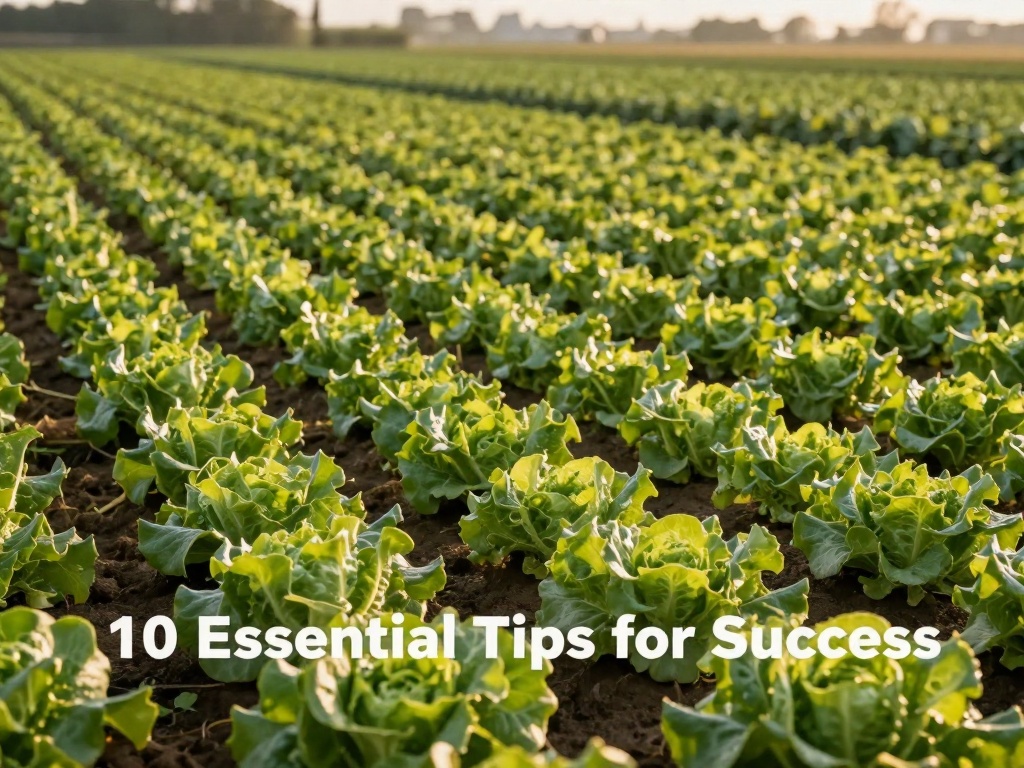
Lettuce Growing in Shade: 10 Essential Tips for Success
Many gardeners assume that vegetables need full sun to thrive, but lettuce growing in shade is not only possible—it can be incredibly successful. If your garden has limited sunlight due to trees, buildings, or fence placement, you can still enjoy fresh, crisp lettuce throughout the growing season. Understanding which varieties tolerate lower light conditions and how to optimize your shaded garden space will transform your perception of what grows without direct sunlight.
Shade gardening opens up possibilities for homeowners who previously thought vegetable gardening was limited to sun-drenched yards. Lettuce is particularly well-suited for partial shade because it naturally prefers cooler temperatures and can actually suffer from too much heat and direct sun. By selecting the right varieties and implementing strategic growing techniques, you can achieve impressive results even with just 3-4 hours of indirect sunlight daily.
Why Lettuce Thrives in Shaded Conditions
Lettuce growing in shade works so well because this leafy green originated in Mediterranean regions where it adapted to cooler, partially shaded environments. Unlike fruiting vegetables that require abundant sunlight to produce flowers and fruits, lettuce focuses its energy on leaf production—the part we harvest and consume.
The Science Behind Shade Tolerance
Shade-tolerant lettuce varieties have evolved with larger leaf surfaces that capture light more efficiently. These leaves are typically more tender and slower to bolt (send up flower stalks) when temperatures rise. In direct sunlight, lettuce often becomes bitter and bolts quickly, whereas shaded plants maintain their sweet, mild flavor for extended periods.
Temperature Benefits of Shade Gardening
One often-overlooked advantage of lettuce growing in shade is temperature regulation. Lettuce prefers temperatures between 60-70°F (15-21°C) for optimal growth. Shaded areas naturally stay cooler during hot summer months, preventing the heat stress that causes lettuce to become bitter and bolt prematurely. This extended growing window means you can harvest fresh salads long after sun-exposed gardens have finished producing.
Best Lettuce Varieties for Shaded Gardens
Selecting the appropriate varieties makes a significant difference when growing lettuce in shade. Some types are specifically bred for lower light conditions and will outperform traditional sun-loving varieties in your shaded spaces.
Butterhead Lettuce Varieties
Butterhead varieties like Buttercrunch, Boston Bibb, and Bellegarde excel in partial shade. These varieties form loose heads with buttery, tender leaves that remain mild even in reduced light. Buttercrunch is particularly renowned for its heat tolerance and ability to thrive with minimal direct sunlight, making it an excellent choice for beginners exploring shade gardening.
Oak Leaf and Loose-Leaf Varieties
Oak leaf lettuces such as Red Oak Leaf and Green Oak Leaf adapt remarkably well to shaded conditions. These varieties produce deeply lobed leaves that maximize light capture. Loose-leaf types including Black-Seeded Simpson, Salad Bowl, and Lollo Rosso also perform excellently in partial shade, offering continuous harvests as you can pick outer leaves while the plant continues growing.
Romaine and Crisphead Considerations
While romaine lettuce can grow in partial shade, it typically requires more light than loose-leaf varieties to develop its characteristic crisp texture. Crisphead varieties like iceberg lettuce are the least shade-tolerant and generally require at least 6 hours of direct sunlight. For shaded gardens, stick with more adaptable varieties to ensure satisfying results.
Essential Growing Conditions for Shaded Lettuce
Creating optimal growing conditions becomes even more critical when cultivating lettuce in shade. Without abundant sunlight to fuel growth, every other factor must be precisely managed to ensure healthy, productive plants.
Soil Preparation and Nutrition
Rich, well-draining soil loaded with organic matter provides the foundation for successful shade-grown lettuce. Work 2-3 inches of quality compost into your planting beds before sowing seeds. This organic matter feeds plants gradually while improving soil structure and moisture retention—essential factors when sunlight is limited. Consider adding a balanced, slow-release organic fertilizer at planting time to provide steady nutrition throughout the growing season.
Watering Requirements
Lettuce growing in shade typically requires less frequent watering than sun-exposed plants because evaporation rates are lower. However, consistent moisture remains crucial for preventing stress and maintaining tender leaf texture. Water deeply when the top inch of soil feels dry, typically every 2-3 days depending on your climate. Avoid overwatering, as consistently soggy soil promotes fungal diseases that can devastate lettuce crops.
Air Circulation and Spacing
Proper spacing becomes particularly important in shaded gardens where air movement may be reduced. Space lettuce plants 6-8 inches apart for loose-leaf varieties and 10-12 inches apart for heading types. This spacing ensures adequate airflow, reducing disease pressure and allowing each plant access to whatever light is available. Good air circulation also helps prevent fungal issues like powdery mildew, which thrives in humid, still conditions.
Timing Your Shade Garden Lettuce Planting
Strategic timing enhances success when growing lettuce in shade. Understanding seasonal light patterns helps you maximize available sunlight throughout the year.
Spring and Fall Growing Seasons
Early spring and fall offer optimal conditions for shade-grown lettuce because the sun sits lower in the sky, allowing more light to reach shaded areas. In many climates, north-facing gardens or areas beneath deciduous trees receive significantly more light in spring before tree canopy develops. Take advantage of these seasonal shifts by planting lettuce as soon as soil can be worked in spring and again 6-8 weeks before first fall frost.
Extending the Growing Season
Shaded gardens often outperform sunny gardens during hot summer months precisely because they stay cooler. However, winter light levels in shaded areas may drop too low for adequate growth. Use cold frames or row covers to protect fall crops from light frosts, extending your harvest into early winter. In mild climates, winter plantings may survive and resume growth when spring arrives, providing an early-season harvest.
Container Gardening for Shaded Lettuce
Containers offer flexibility for shade gardeners, allowing you to move plants to capture available light as it changes throughout the day and seasons.
Choosing Appropriate Containers
Select containers at least 6 inches deep for loose-leaf lettuce and 10-12 inches deep for heading varieties. Ensure containers have adequate drainage holes, as container-grown lettuce in shade is particularly susceptible to waterlogging. Dark-colored containers absorb more heat, which can benefit lettuce in cool climates but may stress plants in warmer regions.
Portable Light Optimization
The greatest advantage of container growing for shaded lettuce is mobility. Place containers where they receive morning sun (which is less intense) and afternoon shade (which is cooler). As seasons change and light patterns shift, reposition containers accordingly. This adaptability maximizes the limited light available in shaded garden spaces.
Common Problems and Solutions
Even with optimal care, lettuce growing in shade faces certain challenges. Recognizing and addressing these issues promptly ensures continued success.
Leggy Growth and Stretching
Insufficient light causes lettuce to stretch toward light sources, resulting in tall, spindly plants with weak stems. If your plants exhibit this behavior, increase available light by pruning nearby vegetation, using reflective mulches to bounce light onto plants, or relocating containers to brighter positions. Some stretching is normal in shade gardens, but severe legginess indicates light levels are too low for healthy growth.
Pest Management in Shaded Areas
Slugs and snails thrive in moist, shaded conditions and can devastate lettuce crops. Combat these pests through multiple strategies: remove hiding spots like debris and mulch, use copper tape around containers, apply diatomaceous earth around plants, or set beer traps. Additionally, shaded areas may harbor more aphids and earwigs—inspect plants regularly and address infestations promptly with organic insecticidal soap.
Harvesting Your Shade-Grown Lettuce
Proper harvesting techniques maximize your yield while encouraging continued production from shade-grown lettuce plants.
For loose-leaf varieties, harvest outer leaves once they reach 4-6 inches tall, allowing the center rosette to continue producing. Cut heading varieties at the base when heads feel firm and full. Morning harvesting produces the crispiest leaves, as plants have had overnight hydration. Store harvested lettuce in the refrigerator and consume within a week for optimal freshness and nutrition.
FAQ
How many hours of sunlight does lettuce need to grow in shade?
Lettuce growing in shade can succeed with as little as 3-4 hours of indirect sunlight daily. Morning sun combined with afternoon shade is particularly beneficial. Some shade-tolerant varieties can even grow with just 2-3 hours of dappled sunlight filtering through tree canopies.
Will lettuce grow in complete shade?
Lettuce cannot grow in complete shade with no light access whatsoever. However, it tolerates partial shade remarkably well compared to most vegetables. Areas receiving filtered or dappled light through trees, or locations with only morning sun, typically produce acceptable results with the right varieties.
Does shade cause lettuce to grow slower?
Yes, lettuce growing in shade typically grows 20-30% slower than plants receiving full sun. This slower growth actually benefits flavor and texture, as the extended maturity period allows leaves to develop better sweetness and tenderness. The trade-off between growth rate and quality is often favorable for shade gardeners.
Can I grow lettuce indoors in low light conditions?
Indoor lettuce growing in shade is possible with supplemental lighting. LED grow lights placed 12-18 inches above plants for 10-12 hours daily can compensate for insufficient natural light. Without supplemental lighting, indoor north-facing windows may provide adequate light for slow-growing lettuce, particularly during winter months.
What are the best companion plants for shaded lettuce?
Excellent companion plants for shaded lettuce include radishes, green onions, spinach, and herbs like cilantro and parsley, which share similar shade tolerance and cool-season preferences. Avoid planting lettuce near deeply-rooted trees or large shrubs that compete heavily for water and nutrients.
No comments