
Safflower Seeding for Dryland Cash Crops: 2024 Guide to Higher Profits
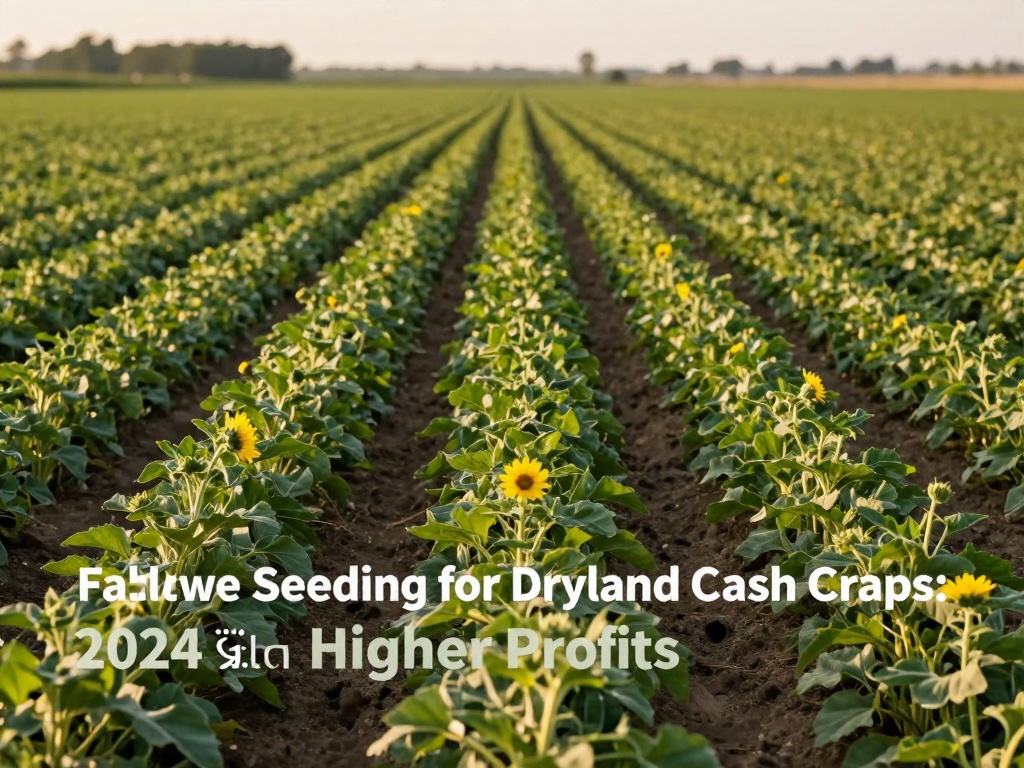
Safflower Seeding for Dryland Cash Crops: 2024 Guide to Higher Profits
Safflower seeding for dryland cash crops is a game-changing strategy for small and mid-scale farmers operating in low-rainfall regions that struggle to support high-water-demand crops like corn or alfalfa. The University of Nebraska-Lincoln Extension reports that safflower requires just 15 to 20 inches of annual rainfall to produce a profitable harvest, making it ideal for dryland zones across the U.S. Great Plains.
Why Safflower Stands Out as a Top Dryland Cash Crop
Low Water Requirements
Safflower’s deep taproot, which can reach 10 feet below the soil surface, allows it to access moisture that shallow-rooted crops cannot reach. This trait eliminates the need for irrigation in most dryland regions, cutting input costs by up to 30% compared to irrigated wheat, per USDA 2023 data.
Strong and Growing Market Demand
Global demand for safflower is rising 4.2% annually, according to Grand View Research, driven by its use in plant-based oils, biodiesel, and premium birdseed. Farmers can sell safflower for $0.18 to $0.22 per pound, generating $400 to $600 per acre in gross revenue in low-rainfall years, outperforming traditional dryland crops like grain sorghum.
Core Best Practices for Safflower Seeding for Dryland Success
Optimal Seeding Window
For most North American dryland regions, the ideal seeding window is early spring, 2 to 3 weeks before the last frost date. Seeding too late exposes safflower to summer heat stress during flowering, which can cut yields by 25%, per Montana State University Extension data. Late fall seeding is not recommended for dryland zones, as winter frost kills most young safflower seedlings.
Seeding Rate and Depth
Dryland farmers should target a seeding rate of 15 to 25 pounds of pure live seed (PLS) per acre, depending on soil fertility. Plant seeds at a depth of 1 to 1.5 inches to ensure they access consistent subsoil moisture; deeper planting can delay emergence and increase seedling mortality by 20%.
Pre-Seeding Soil Preparation
Prior to seeding, use a low-till or no-till system to preserve critical soil moisture, and apply a pre-emergent herbicide labeled for safflower to suppress winter annual weeds that compete for limited water. No-till systems boost soil moisture retention by 18% in dryland zones, per USDA Natural Resources Conservation Service (NRCS) data.
Post-Seeding Management to Maximize Yields
Pest and Disease Monitoring
Safflower is relatively resistant to most common dryland pests, but farmers should scout for rust and aphids during the flowering stage. Most infestations can be managed with low-cost organic sprays if caught early, avoiding yield losses of up to 15% that can erase profit margins.
Harvest Timing
Harvest safflower when 90% of the heads turn brown and the seed moisture content drops below 8%. Using a combine with a header modified for small seed sizes reduces harvest losses by up to 10%, ensuring farmers capture most of their crop’s market value.
Frequently Asked Questions
What is the average yield of dryland-grown safflower?
The average dryland safflower yield ranges from 1,500 to 2,500 pounds per acre in regions with 15+ inches of annual rainfall, per 2023 USDA data. High-performing farms with optimized seeding practices can hit yields of 3,000 pounds per acre in favorable rainfall years.
Can safflower be rotated with other common dryland crops?
Yes, safflower is an excellent rotation crop for winter wheat, sorghum, and traditional fallow systems. It breaks pest and disease cycles common in cereal crops, and its deep root system improves soil structure and nutrient cycling for subsequent plantings.
Is safflower seeding more expensive than seeding other dryland cash crops?
Safflower seed costs roughly $0.70 to $1 per pound, leading to a total seeding cost of $10 to $25 per acre, which is comparable to the seeding cost of dryland wheat. The higher market price for safflower leads to a 20% higher average net return per acre than wheat, per 2024 Nebraska Extension farm enterprise data.
No comments