
2026 Guide to Peppers Companion Planting in Shade Success
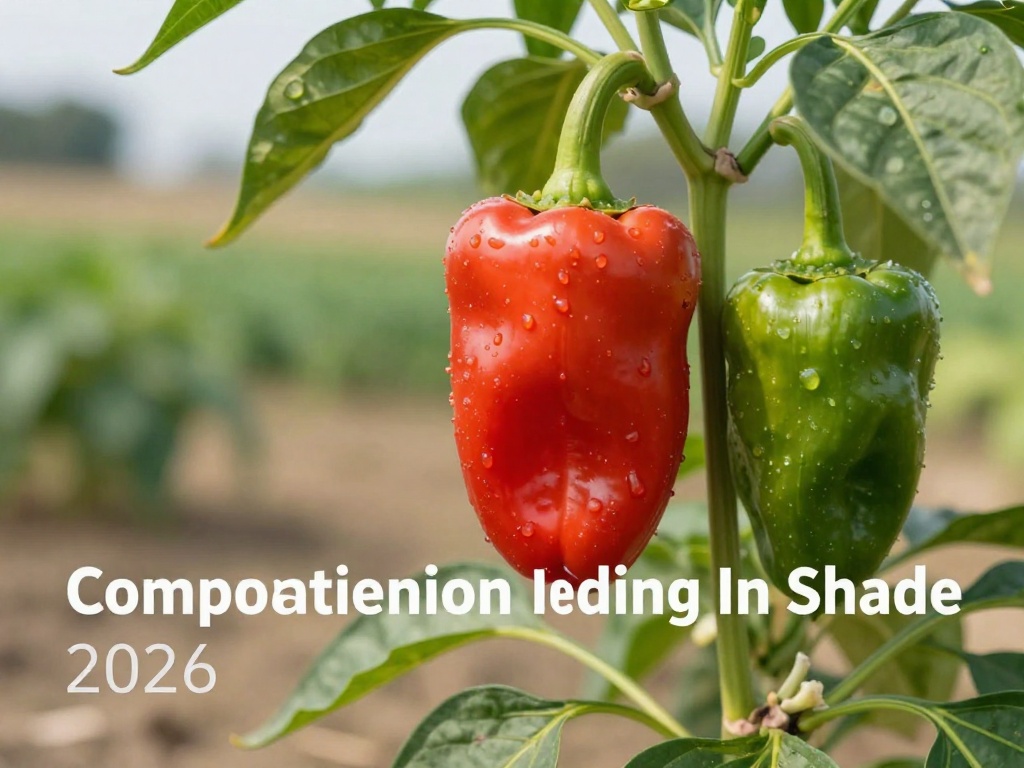
2026 Guide to Peppers Companion Planting in Shade Success
Growing peppers in shaded areas presents unique challenges, but the right companion plants can transform a challenging spot into a productive garden bed. This comprehensive guide explores proven strategies for peppers companion planting in shade, helping you maximize your harvest even with limited sunlight. Whether you have dappled light under trees or partial shade from structures, understanding which plants work together can make all the difference in your garden's success.
Understanding Pepper Light Requirements in Shade Gardens
Pepper plants typically need 6-8 hours of direct sunlight for optimal fruit production, but they can still produce a decent harvest with just 4-6 hours of filtered or indirect light. When planning peppers companion planting in shade, selecting the right combinations becomes essential for compensating reduced light exposure.
Shade-tolerant companions can help create a microclimate that retains moisture, provides wind protection, and may even improve soil conditions around your pepper plants. The key lies in choosing partners that share similar water needs and won't compete aggressively for the limited light available.
How Shade Affects Pepper Growth and Fruiting
In shaded conditions, peppers may grow taller as they reach for light, produce fewer flowers, and take longer to ripen their fruit. However, companion plants can mitigate these effects by creating beneficial growing conditions that support overall plant health despite reduced photosynthesis opportunities.
Best Companion Plants for Peppers in Shade
Herbs That Thrive Alongside Peppers in Low Light
Several herbs perform exceptionally well as companions for peppers in shaded gardens. These aromatic plants often tolerate or even prefer reduced sunlight while providing pest-repelling benefits to your pepper crop.
- Basil acts as an excellent companion, repelling aphids, spider mites, and thrips while improving the flavor of nearby peppers
- Parsley attracts beneficial insects including predatory wasps that control garden pests
- Cilantro bolts more slowly in partial shade, providing a longer harvest window
- Mint deters ants and aphids, though it should be planted in containers to prevent spreading
- Chives repel aphids and help discourage Japanese beetles from your pepper plants
Vegetables That Pair Well with Shade-Grown Peppers
Strategic vegetable companions can maximize your garden space while supporting pepper growth in low-light conditions. These combinations work particularly well for beginners learning shade gardening techniques.
- Leafy greens like lettuce, spinach, and Swiss chard tolerate shade beautifully and can be harvested before peppers need full space
- Green onions deter pests without competing heavily for nutrients or light
- Radishes mature quickly and help break up soil, improving conditions for pepper roots
- Lima beans fix nitrogen in the soil, benefiting pepper nutrient uptake in shaded areas
Flowers for Shade Companion Planting with Peppers
Incorporating flowers into your peppers companion planting in shade strategy provides visual appeal while attracting pollinators and beneficial insects to your garden.
- Marigolds repel nematodes and many common garden pests while adding bright color to shaded areas
- Nasturtiums act as trap crops, drawing aphids away from your pepper plants
- Begonias thrive in shade and attract pollinators that improve pepper fruit set
- Impatiens provide continuous color while not competing aggressively with pepper plants
Plants to Avoid When Companion Planting Peppers in Shade
Not all plants make good companions for peppers in shaded gardens. Some combinations can actively harm your pepper harvest by competing for resources or hosting harmful pests.
- Fennel inhibits pepper growth and should be planted far away from your pepper bed
- Brassicas like cabbage and broccoli compete heavily for nutrients in low-light conditions
- Corn can block what little light reaches your peppers while hosting corn earworms
- Pole beans may climb onto pepper plants and create shading problems
Step-by-Step Companion Planting Strategy for Shaded Pepper Beds
Planning Your Shade Garden Layout
Before planting, assess your shade patterns carefully. Note which areas receive morning sun versus afternoon shade, as morning light is generally more beneficial for pepper plants in shaded locations.
Position your tallest companions on the north side of your pepper bed to avoid creating additional shade. Place lower-growing herbs and flowers where they won't block light to your pepper foliage.
Soil Preparation for Shade Companion Success
Shaded areas often have cooler, moister soil conditions. Amend your soil with generous amounts of organic compost to improve drainage while retaining appropriate moisture levels. This creates an ideal environment for both peppers and their companions.
Consider adding a light layer of mulch around plants to maintain consistent soil temperature and moisture levels. In shade gardens, proper mulching becomes even more critical for preventing root rot while keeping beneficial soil organisms active.
Timing Your Companion Planting
For maximum success with peppers companion planting in shade, stagger your planting times strategically. Start companion plants that mature quickly, like radishes and lettuce, earlier in the season to harvest them before they compete with maturing peppers.
Plant perennial herbs and flowers first to establish strong root systems, then add pepper seedlings once soil temperatures consistently reach 65°F. This approach ensures your companions don't overwhelm young pepper plants during critical establishment phases.
Container Companion Planting for Shaded Peppers
Container gardening offers excellent opportunities for peppers companion planting in shade. Move containers to follow available light throughout the day, grouping compatible companions together for maximum flexibility.
Use containers at least 12 inches deep for peppers and group them with herb containers on movable platforms. This approach lets you optimize light exposure while maintaining beneficial companion relationships on patios, balconies, or under covered porches.
Common Mistakes to Avoid in Shade Companion Planting
Even experienced gardeners make errors when first attempting peppers companion planting in shade. Understanding these pitfalls helps you achieve better results from the start.
- Overcrowding becomes especially problematic in shade, where air circulation is already reduced
- Ignoring plant spacing requirements leads to competition that stressed plants cannot overcome
- Forgetting about eventual size of companions can result in peppers becoming completely overshadowed
- Neglecting water needs differences between companions causes stress and poor production
Maximizing Your Harvest in Shaded Conditions
With proper companion planting strategies, you can achieve impressive pepper harvests even in challenging shaded locations. Focus on varieties specifically suited to lower light conditions, such as sweet bell peppers, banana peppers, and smaller hot pepper varieties that typically perform better without intense sun exposure.
Be patient with ripening times, as peppers in shade may take an extra week or two to reach full maturity. The companion plants you choose will help compensate for reduced light by creating favorable microclimates that support healthy growth throughout the season.
FAQ: Peppers Companion Planting in Shade
What are the best pepper varieties for growing in shade?
Sweet bell peppers, banana peppers, pimento peppers, and smaller hot varieties like jalapeños and cayenne perform best in partial shade. These varieties typically need less intense sunlight to produce abundant fruit compared to large bell peppers that demand more direct sun exposure.
Can peppers produce fruit with only 4 hours of sunlight?
Yes, peppers can produce fruit with just 4 hours of direct sunlight, though yields will be reduced compared to full-sun plants. Focus on improving growing conditions through companion planting, consistent watering, and soil enrichment to maximize production in low-light situations.
How close should companion plants be to peppers?
Plant companion herbs 6-12 inches from pepper stems to allow adequate air circulation while providing pest protection benefits. Flowers can be placed 12-18 inches away, and larger vegetable companions should maintain at least 18-24 inches distance to prevent root competition.
Which companions help peppers grow faster in shade?
Basil, parsley, and nitrogen-fixing plants like beans help peppers grow more vigorously in shaded conditions. These companions either improve soil nutrients or create favorable microclimates that encourage stronger pepper growth despite limited sunlight.
What is the biggest mistake when companion planting peppers in shade?
The most common mistake is planting too many companions that compete for the same limited resources. In shade gardens, less is often more. Choose fewer, more strategic companions that genuinely benefit your peppers rather than creating additional competition.
When should I start companion planting for peppers in shaded gardens?
Start companion plants 2-3 weeks before pepper seedlings in spring, or plant them simultaneously when transplanting peppers outdoors. This timing allows companions to establish first and create the beneficial growing environment your peppers need in challenging shade conditions.
Can I use companion planting to grow peppers under trees?
Yes, peppers can grow under trees if the canopy allows filtered light of at least 4 hours. Choose shallow-rooted companions like herbs and lettuce that won't compete with tree roots, and ensure adequate water and nutrient supplementation since trees will absorb significant resources.
How much extra harvest can I expect from good companion planting in shade?
Well-executed companion planting in shade can increase pepper yields by 15-30% compared to monoculture plantings in the same conditions. Benefits include improved pollination, reduced pest pressure, and better moisture retention that helps peppers thrive despite reduced sunlight.
No comments