
Sunflowers Organic Gardening Indoors: Complete 2026 Guide
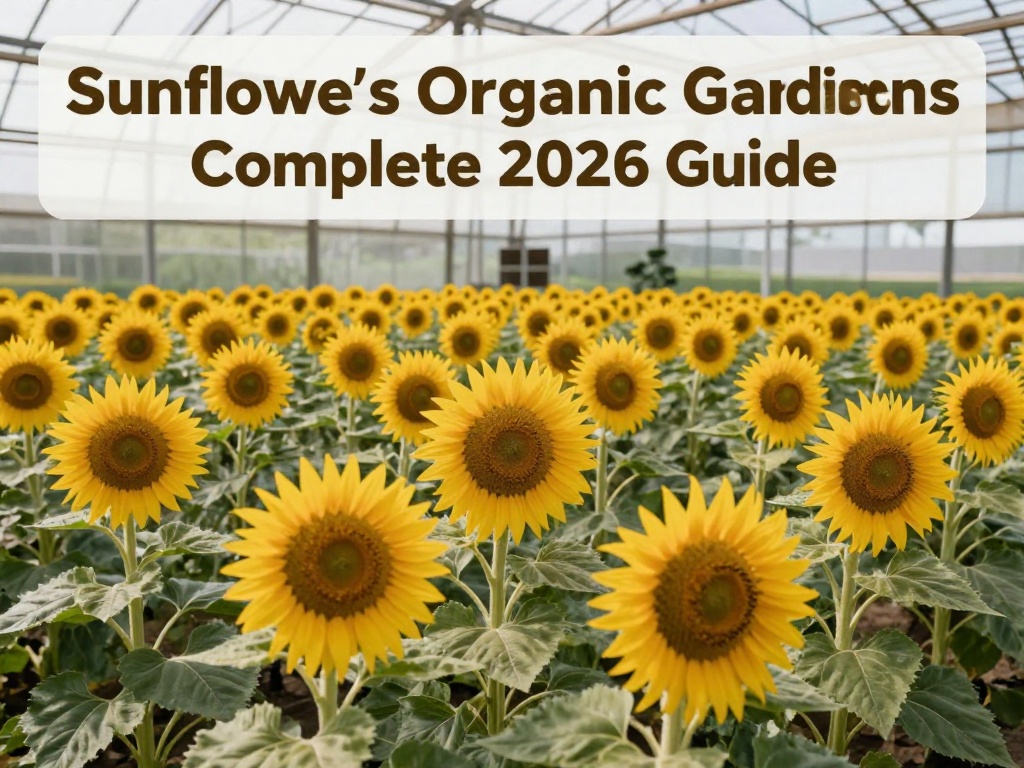
Sunflowers Organic Gardening Indoors: Complete 2026 Guide
Growing sunflowers organic gardening indoors has become increasingly popular among urban gardeners and plant enthusiasts. These cheerful, vibrant flowers can brighten any living space while providing seeds and reducing your carbon footprint. With the right techniques, you can successfully cultivate dwarf sunflower varieties year-round in containers right inside your home.
Why Choose Sunflowers for Indoor Organic Gardening
Sunflowers offer numerous benefits that make them ideal for indoor cultivation. They are known for their air-purifying qualities and ability to remove toxins from your home environment. Additionally, these plants are relatively easy to grow and maintain, making them perfect for both beginners and experienced gardeners.
Benefits of Growing Sunflowers Inside
When you practice organic gardening indoors with sunflowers, you gain access to fresh, chemical-free seeds right from your windowsill. These plants also attract beneficial pollinators if placed near open windows, supporting overall garden biodiversity. Furthermore, their bright yellow petals and tall stems create stunning natural decor that improves mental well-being.
Best Sunflower Varieties for Indoor Growing
Dwarf sunflower varieties are the best choice for indoor organic gardening. Look for types like Dwarf Sungold, Teddy Bear, and Little Becka that reach only 1-3 feet in height. These compact varieties adapt well to container life and produce abundant blooms despite limited space.
Essential Requirements for Indoor Sunflower Success
Successful indoor sunflower cultivation requires attention to several key environmental factors. Understanding these requirements will help you create the optimal growing conditions for healthy, vibrant plants.
Lighting Needs
Sunflowers require at least 6-8 hours of direct sunlight daily to thrive indoors. South-facing windows provide the best light exposure, but you can supplement with full-spectrum grow lights if needed. Position your containers where they receive unfiltered sunlight for optimal stem growth and flower development.
Temperature and Humidity
These warm-season plants prefer temperatures between 70-85°F during the day and slightly cooler nights around 60-65°F. Maintain humidity levels between 40-60% to prevent fungal issues while supporting healthy foliage growth.
Organic Soil and Container Setup
The foundation of successful organic gardening indoors begins with proper soil preparation and container selection. Using certified organic materials ensures your sunflowers remain free from harmful chemicals.
Choosing the Right Soil Mix
Select a well-draining, nutrient-rich organic potting mix specifically formulated for flowering plants. Mix in compost or aged manure to boost nitrogen content, which supports strong stem development. Avoid garden soil, as it may contain pests and diseases that compromise indoor plant health.
Container Selection
Dwarf sunflower varieties need containers at least 6-8 inches deep with adequate drainage holes. Terra cotta pots work exceptionally well because they allow excess moisture to evaporate, preventing root rot. Ensure your containers are clean and sterilized before planting.
Planting and Germination Process
Proper planting techniques set the stage for vigorous sunflower growth. Following these steps ensures successful germination and healthy seedling establishment.
Seed Preparation and Planting
Plant sunflower seeds about 1 inch deep in moist soil, spacing them 4-6 inches apart in larger containers. Water gently after planting and maintain consistent moisture until seedlings emerge within 7-10 days. Covering the container with plastic wrap can help retain humidity during germination.
Caring for Seedlings
Once sprouts appear, remove the plastic covering and place seedlings in their brightest available location. Thin seedlings to one per pot when they develop their second set of true leaves, allowing adequate space for root development. This step prevents competition and promotes stronger, healthier plants.
Ongoing Care and Maintenance
Regular maintenance ensures your indoor sunflowers remain healthy and productive throughout their growing season. Consistent attention to watering, feeding, and monitoring keeps plants thriving.
Watering Guidelines
Water your indoor sunflowers when the top inch of soil feels dry to the touch. Avoid overwatering, as this leads to root rot and fungal problems. Ensure excellent drainage by using pots with holes and saucers to catch excess water.
Organic Fertilization
Feed your sunflowers with organic liquid fertilizer every two weeks during the growing season. Look for balanced options with higher phosphorus content to encourage blooming. Worm casting tea and fish emulsion are excellent organic choices for supporting healthy growth.
Troubleshooting Common Indoor Sunflower Problems
Even with careful attention, indoor sunflowers may encounter occasional issues. Recognizing problems early allows for quick intervention and plant recovery.
Leggy Growth and Insufficient Light
If your sunflowers become tall and spindly, they likely need more light exposure. Move plants closer to windows or install supplemental grow lights positioned 6-12 inches above the foliage. Rotating containers weekly ensures even, symmetrical growth.
Yellowing Leaves and Nutrient Deficiency
Yellow leaves often indicate nitrogen deficiency or overwatering. Apply organic compost or fish emulsion to replenish nutrients, and adjust your watering schedule to allow soil to dry slightly between waterings.
Harvesting Your Indoor Sunflowers
Knowing when and how to harvest ensures you enjoy the full benefits of your organic indoor garden. Proper harvesting techniques also allow for seed saving and future planting.
Cutting Flowers for Arrangements
Cut sunflower stems early in the morning when blooms are fully open for longest vase life. Place stems immediately in water and remove leaves below the waterline. Fresh-cut sunflowers brighten any room and last approximately 7-10 days.
Collecting Seeds
Allow flower heads to dry completely on the stem before harvesting seeds. Once the back of the flower head turns brown and the seeds loosen easily, cut the head and rub to remove seeds. Store dried seeds in a cool, dry location for planting or snacking.
FAQ
Can sunflowers grow successfully indoors year-round?
Yes, dwarf sunflower varieties can grow indoors year-round with proper lighting, preferably 6-8 hours of direct sunlight or equivalent grow light exposure. Success depends on maintaining consistent temperatures and following organic care practices.
What is the best organic fertilizer for indoor sunflowers?
Balanced organic fertilizers with higher phosphorus content work best for flowering sunflowers. Worm casting tea, fish emulsion, and compost tea provide excellent nutrition without harmful chemicals, supporting healthy growth and abundant blooms.
How often should I water indoor sunflower plants?
Water indoor sunflowers when the top inch of soil becomes dry, typically every 2-3 days depending on temperature and humidity. Ensure excellent drainage to prevent waterlogging, which causes root rot and other fungal issues.
No comments