
10 Proven Benefits of Companion Planting Tomatoes and Basil
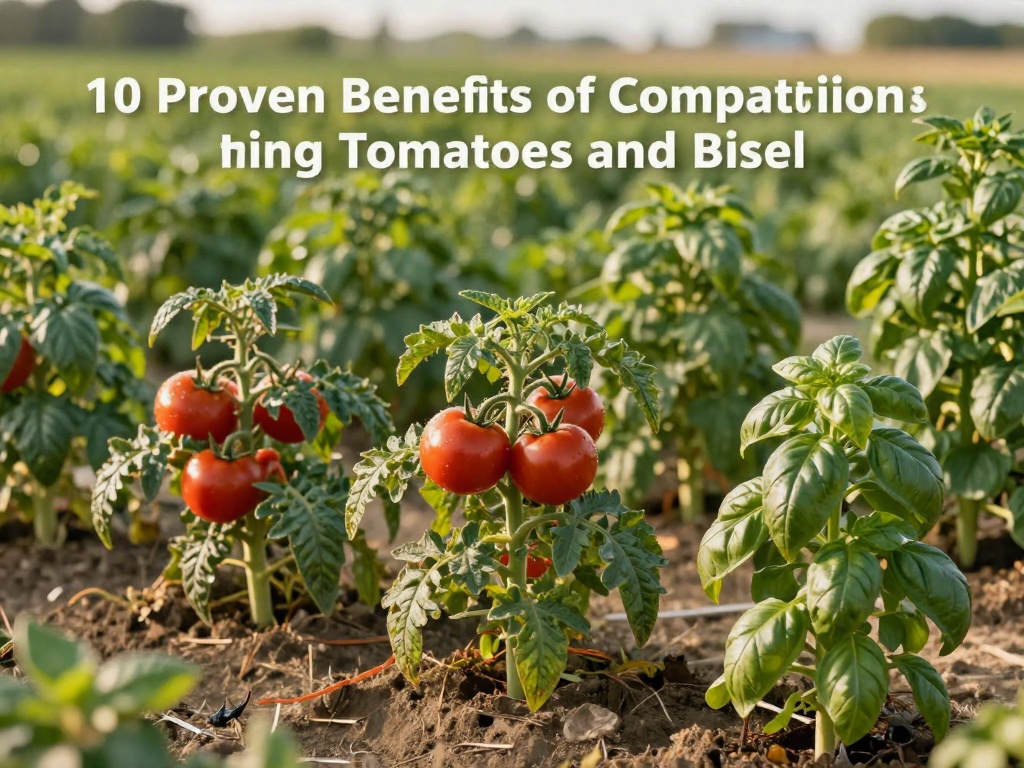
10 Proven Benefits of Companion Planting Tomatoes and Basil
The partnership between tomatoes and basil represents one of gardening's most celebrated relationships. For centuries, gardeners have cultivated these two plants side by side, and modern science now confirms what traditional wisdom has long suggested. Companion planting tomatoes and basil creates a synergistic environment that benefits both crops in remarkable ways.
Why Tomatoes and Basil Make Perfect Garden Partners
The connection between these two Mediterranean natives runs deeper than their shared culinary heritage. Both plants thrive under similar growing conditions, making them ideal companions in any garden setting. Their root systems occupy different soil levels, allowing them to share resources without competing. Additionally, basil serves as a living mulch, keeping soil moisture consistent during hot summer months.
Similar Growing Requirements
Tomatoes and basil both demand full sun exposure, requiring at least six to eight hours of direct sunlight daily. They prefer well-draining soil with a slightly acidic to neutral pH range between 6.0 and 7.0. Both plants are also heat-loving specimens that produce their best harvests during warm weather. These shared preferences simplify garden planning and care routines considerably.
Complementary Root Systems
Tomato plants develop deep taproots that reach down into the soil profile, accessing nutrients and moisture from deeper layers. Basil, conversely, maintains a shallower root system that spreads horizontally near the soil surface. This arrangement means each plant draws resources from distinct soil zones, minimizing competition and maximizing garden efficiency.
10 Major Benefits of This Companion Planting Combination
1. Natural Pest Repellent Properties
Basil emits strong aromatic compounds that effectively repel problematic insects. Mosquitoes, aphids, whiteflies, and tomato hornworms all avoid areas with abundant basil growth. The essential oils in basil leaves, particularly eugenol and linalool, create an invisible barrier that protects vulnerable tomato plants from many common garden pests.
2. Improved Tomato Flavor
Research suggests that basil's aromatic compounds may transfer to developing tomatoes, enhancing their natural sweetness. Many gardeners report that tomatoes grown alongside basil exhibit more complex, robust flavors. This benefit becomes particularly noticeable when using both plants together in fresh recipes like bruschetta or Caprese salad.
3. Space-Efficient Gardening
Companion planting tomatoes and basil allows you to maximize limited garden space effectively. By interplanting these crops in the same bed, you can grow nearly twice as much produce in a given area. This approach proves especially valuable for urban gardeners working with small plots, raised beds, or container gardens.
4. Weed Suppression Through Companion Planting
The dense foliage of basil plants creates a living ground cover that shades the soil surface. This natural mulch prevents weed seeds from germinating and competing with your crops. Less time spent weeding means more time enjoying your productive garden throughout the growing season.
5. Enhanced Pollination Attraction
Basil flowers attract beneficial pollinators including bees, butterflies, and hoverflies. These pollinators also visit tomato blossoms, improving fruit set and overall yield. A garden buzzing with pollinator activity produces more abundant harvests compared to gardens lacking these helpful insects.
6. Soil Health Improvement
Both plants contribute organic matter to the garden through fallen leaves and spent stems. As these materials decompose, they enrich the soil with essential nutrients and beneficial microorganisms. Over time, this process builds healthier, more fertile growing conditions for future plantings.
7. Reduced Disease Risk
Some studies indicate that basil may help suppress certain fungal diseases that affect tomatoes. The strong scent of basil can confuse pathogenic fungi trying to locate their host plants. This natural disease suppression reduces the need for chemical fungicides in your garden.
8. Companion Planting Extends Harvest Seasons
Basil typically matures faster than tomatoes, allowing you to begin harvesting while waiting for fruit to ripen. Additionally, basil continues producing after tomatoes finish bearing, extending your garden's productivity into late summer and fall. Staggered harvests provide continuous fresh produce for your kitchen.
9. Cost-Effective Garden Management
Growing tomatoes and basil together eliminates the need to purchase separate pest control products or additional soil amendments. The natural synergies between these plants reduce overall maintenance costs while increasing yields. This economical approach makes gardening more accessible for beginners and budget-conscious cultivators.
10. Culinary Convenience at Your Fingertips
Having both plants growing together means fresh ingredients for cooking are always within arm's reach. Harvesting basil and tomatoes simultaneously streamlines meal preparation and encourages you to use more homegrown produce in your daily cooking. The convenience factor alone makes this companion planting combination worthwhile.
How to Successfully Plant Tomatoes and Basil Together
Optimal Spacing Guidelines
Position tomato plants 24 to 36 inches apart in rows spaced 36 to 48 inches apart. Plant basil starts or seedlings 12 to 18 inches apart, alternating them between tomato plants within each row. This arrangement provides adequate airflow while ensuring both crops receive sufficient sunlight and nutrients.
Best Planting Times
Wait until all danger of frost has passed before transplanting either crop outdoors. Soil temperature should reach at least 60°F for successful establishment. In most regions, late spring provides ideal conditions for setting out both tomatoes and basil together in the garden.
Supporting Your Tomato Plants
Install tomato cages or stakes before planting to avoid disturbing roots later in the season. As tomatoes grow, gently tie main stems to supports using soft garden twine. Proper support keeps fruit off the ground and makes harvesting basil between plants much easier.
Essential Care Tips for Maximum Success
Watering Practices
Water deeply but infrequently, providing about one to two inches of water weekly. Focus water at the soil level rather than overhead to prevent fungal diseases. Basil appreciates consistent moisture but dislikes waterlogged conditions, so ensure excellent drainage in your planting beds.
Feeding Schedule
Incorporate balanced organic compost into planting holes before transplanting. Side-dress tomatoes with additional compost or balanced fertilizer once fruits begin forming. Basil generally requires less feeding than tomatoes, so avoid over-fertilizing basil plants to prevent excessive foliage at the expense of flavor.
Pruning and Harvesting Techniques
Pinch basil stems regularly to encourage bushy, productive growth. Remove any flowers immediately to keep leaves tender and flavorful. For tomatoes, prune suckers below the first flower cluster to direct energy toward fruit production. Regular harvesting from both plants promotes continued growth and yield.
Common Mistakes to Avoid
Never plant basil too close to tomato stems, as this can create excessive competition for water and nutrients. Avoid planting either crop in the exact same spot year after year to prevent soilborne disease buildup. Refrain from overhead watering, which promotes leaf diseases on both plants. Finally, resist the temptation to overplant, as crowded conditions reduce air circulation and increase pest problems.
Final Thoughts on Companion Planting Tomatoes and Basil
Companion planting tomatoes and basil offers numerous advantages that make this combination a must-try for any vegetable gardener. From natural pest control to enhanced flavor and space efficiency, these two plants truly thrive when grown together. Whether you have a large backyard garden or a modest container setup, you can experience these benefits firsthand. Start implementing this time-tested technique this growing season and discover the difference it makes in your harvest.
Frequently Asked Questions
What other plants grow well with tomatoes and basil?
Peppers, carrots, parsley, marigolds, and asparagus all make excellent companions for tomatoes and basil. These plants share similar growing requirements and can help create a diverse, healthy garden ecosystem when interplanted together.
Should basil be planted closer to tomatoes in containers or raised beds?
Yes, in contained growing environments, you can plant basil slightly closer to tomatoes than in traditional garden beds. Maintain at least 8 to 12 inches of separation to prevent root competition while still allowing the plants to benefit from their companion relationship.
Can I grow basil and tomatoes from seeds together?
You can start both crops indoors from seeds simultaneously, typically six to eight weeks before your last frost date. Transplant them outdoors together once soil temperatures warm sufficiently. This approach saves money and allows you to grow specific heirloom varieties not available as transplants.
Does planting basil near tomatoes really improve flavor?
While scientific studies on this specific claim remain limited, many experienced gardeners and chefs firmly believe basil enhances tomato flavor when grown together. The proximity allows aromatic compounds to potentially influence fruit development, though results may vary based on growing conditions and specific varieties.
No comments