
Red Clover Overseeding for Worn Hayfields: 2026 Guide to Boost Yields by 30%
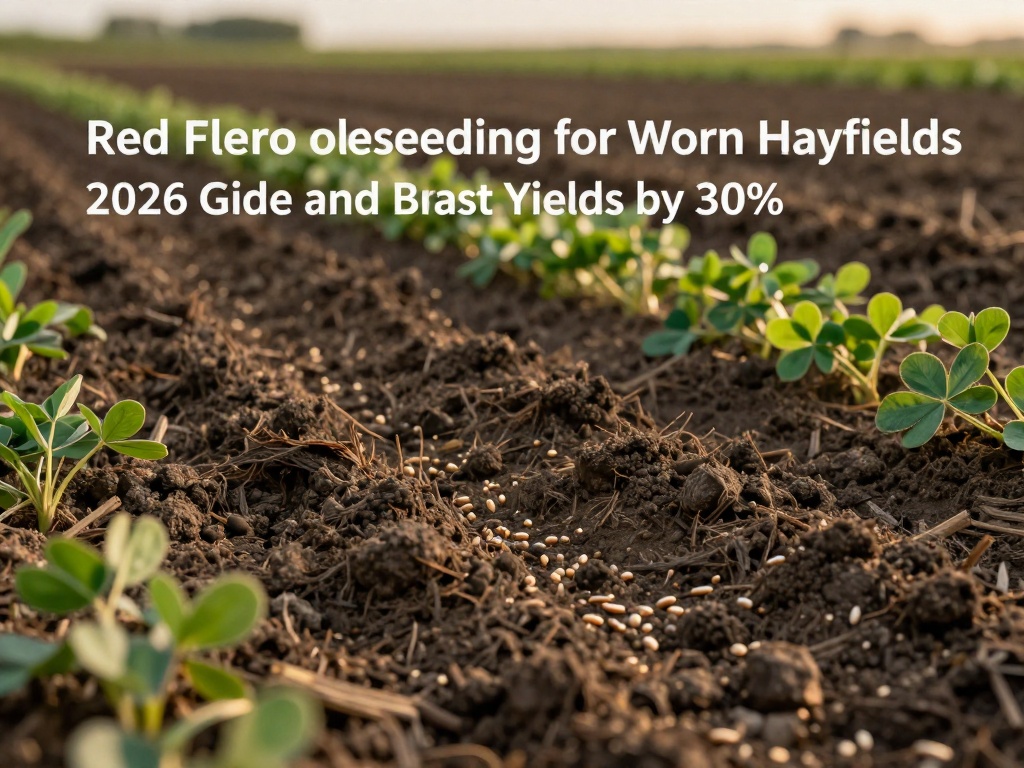
Red Clover Overseeding for Worn Hayfields: 2026 Guide to Boost Yields by 30%
Worn hayfields intensively cut or grazed for 5+ years lose up to 30% of their annual forage yield, per 2025 USDA data. Red clover overseeding for worn hayfields is a low-cost, sustainable strategy to restore soil fertility, boost forage quality, and extend your land’s productive life by 3+ years. This approach is favored by small-scale and commercial hay producers for its proven ROI and low input requirements.
Why Red Clover Is the Ideal Species for Overseeding Worn Hayfields
Fixes Natural Nitrogen to Cut Fertilizer Costs
As a legume, red clover converts atmospheric nitrogen into a plant-usable form to feed surrounding grasses. The USDA reports healthy red clover stands fix up to 150 lbs of nitrogen per acre annually, eliminating most synthetic nitrogen fertilizer needs. This cuts input costs by $35-$55 per acre each year, a major savings for hay producers.
Withstands Intensive Hay Cutting Schedules
Unlike fragile legumes like alfalfa, red clover tolerates 2-3 annual hay cuts without significant stand loss. It also adapts to a wide range of soil types, from sandy loams to heavy clay, making it suitable for most worn hayfield conditions across the continental U.S.
Boosts Forage Nutritional Value for Livestock
Red clover has a 16-20% crude protein content, 5-7% higher than common grass hay varieties. It also contains natural digestibility enhancers that improve livestock weight gain and milk production, adding extra market value to your hay crop.
Step-by-Step Process to Overseed Red Clover in Worn Hayfields
Test Soil First to Address Core Deficiencies
Before seeding, collect soil samples to test pH, phosphorus, and potassium levels. University of Minnesota Extension notes red clover thrives in soil with a pH of 6.0-6.5. If your soil is too acidic, apply lime 3 months before seeding to adjust levels and support healthy germination.
Time Seeding for Optimal Germination
The best seeding windows are late winter to early spring (February-March for most temperate U.S. regions) or late summer (August to early September). These periods offer cool, moist soil that supports red clover’s 7-10 day germination period without exposing young seedlings to extreme heat or drought.
Use the Correct Seeding Rate and Method
Penn State Extension recommends a seeding rate of 8-10 lbs of pure live seed (PLS) per acre for red clover alone, or 4-6 lbs per acre if mixing with perennial ryegrass or timothy. Use a broadcast spreader to distribute seed evenly, then lightly roll the field to press seed ¼ inch into the soil for maximum seed-to-soil contact.
Post-Seeding Care to Maximize Stand Longevity
Delay First Cutting to Let Seedlings Establish
Wait at least 6-8 weeks after seeding to make your first hay cut. This gives young red clover seedlings time to develop strong root systems that can withstand cutting and regrow quickly. Avoid cutting lower than 3 inches to protect the clover’s growing crown.
Control Weeds Without Harming Red Clover
Most grass-safe herbicides work for red clover stands, but always check product labels to avoid crop damage. For small-scale operations, mowing weeds that grow above the clover canopy reduces competition without chemical inputs.
Frequently Asked Questions
When is the best time to overseed red clover in worn hayfields?
The optimal seeding windows are late winter/early spring (February to March in most U.S. growing zones) or late summer (August to early September). Cool, moist soil during these periods supports consistent germination and reduces seedling loss from drought or heat stress.
How long will a red clover overseeded stand last in my hayfield?
Red clover is a short-lived perennial, so it will persist for 2-3 years in most intensively managed hayfields. You can re-overseed every 2-3 years to maintain the yield and soil health benefits of the stand.
Is red clover safe for grazing livestock on overseeded hayfields?
Yes, red clover is safe for cattle, sheep, and goats when planted in a mix with grass species. The University of Kentucky Extension notes mixing red clover with timothy or fescue reduces the risk of livestock bloat, a common concern with pure legume stands. Wait 6-8 weeks after seeding before turning livestock out to let seedlings establish.
No comments