
Cowpea Cover Cropping for Nitrogen Fixation: 2024 Essential Guide for Farmers
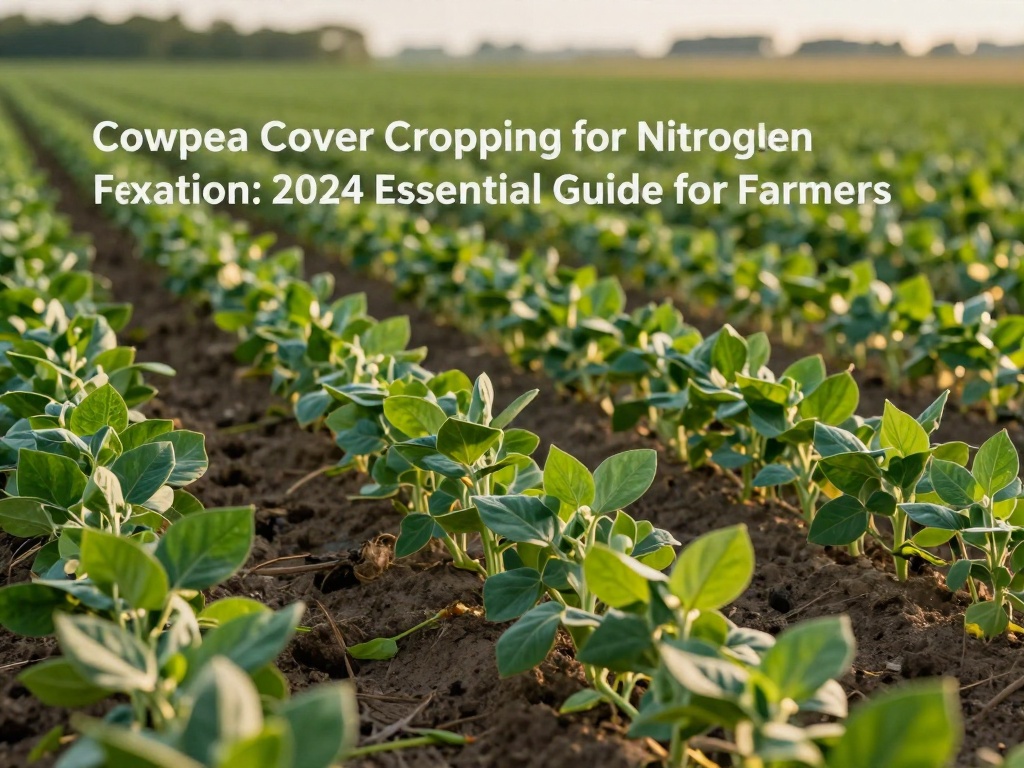
Cowpea Cover Cropping for Nitrogen Fixation: 2024 Essential Guide for Farmers
Cowpea cover cropping for nitrogen fixation is one of the most cost-effective regenerative farming practices for small and large-scale operations across North America. A 2023 study from the University of Georgia found that well-managed cowpea cover crops add up to 150 pounds of atmospheric nitrogen per acre to soil, eliminating 30-50% of synthetic fertilizer needs for subsequent corn or cotton crops. This legume’s fast growth, heat tolerance, and ability to thrive in low-rainfall regions make it a superior choice for many growing zones compared to other nitrogen-fixing cover crops like clover or vetch.
What Makes Cowpeas Ideal for Nitrogen Fixation?
Symbiotic Relationship With Native Soil Bacteria
Cowpeas form mutually beneficial partnerships with Rhizobium bacteria that colonize nodules on the legume’s roots, converting unusable atmospheric nitrogen into ammonia that feeds plants and builds soil fertility. The USDA’s Natural Resources Conservation Service (NRCS) notes that cowpeas work with multiple native Rhizobium strains, so farmers rarely need to purchase inoculants for most regions, unlike less adaptable legumes such as fava beans. This reduces upfront input costs for cover cropping by 15-20% for first-time users.
Fast Growth Cycle to Maximize Nitrogen Inputs
Cowpeas reach full vegetative maturity in 60-90 days, so they can be planted as a summer cover crop between main crop seasons or intercropped with standing vegetables. A 2022 study from Iowa State University found that cowpeas planted 3 weeks before fall harvest add 80 pounds of nitrogen per acre in just 60 days, outpacing hairy vetch’s nitrogen accumulation rate by 22% in the same timeframe. This short growth window makes cowpeas flexible for double-cropping systems that are common in the Midwest and Southeast.
Additional Benefits of Cowpea Cover Cropping
Natural Weed Suppression and Erosion Control
Cowpeas grow low to the ground, forming a dense leafy canopy that blocks 90% of sunlight from reaching weed seeds, per NRCS data. This reduces the need for synthetic herbicides by 40% for many vegetable operations, while their extensive root systems hold soil in place during heavy summer rain events that often cause runoff and nutrient loss. Unlike vetch, cowpeas do not become invasive in natural areas, making them safe for farms near wetland or forest edges.
Extra Revenue From Dual-Use Production
Many farmers harvest a portion of cowpea pods for human consumption or livestock feed before terminating the remaining biomass as a cover crop, generating extra revenue while still reaping full nitrogen fixation benefits. Cowpea grains sell for an average of $0.30 per pound, so a single acre can generate $200-$300 in additional income before the main crop is even planted, per 2024 USDA agricultural marketing data.
Best Practices to Maximize Nitrogen Fixation
Plant at the Correct Time and Seeding Rate
For most temperate growing zones, plant cowpeas 4-6 weeks after the last frost date, when soil temperatures reach at least 65°F to support root and bacterial growth. The optimal seeding rate is 50-75 pounds per acre for pure cover crop stands, or 20-30 pounds per acre if intercropped with main crops to avoid competition for water and sunlight. Planting in well-drained loam soil further boosts nitrogen gains by 10-15% compared to heavy clay soils.
Terminate at Peak Biomass to Lock in Nitrogen
Terminate cowpeas 1-2 weeks before they reach full flower, when nitrogen levels in the plant’s biomass are at their highest, per University of Illinois extension guidelines. Termination can be done via mowing, tilling, or rolling for no-till operations, allowing the biomass to decompose and release nitrogen slowly over 8-12 weeks to feed subsequent main crops. Terminating too late reduces available nitrogen by 25% as the plant diverts nutrients to seed production.
Frequently Asked Questions
Can cowpea cover crops grow in cold northern climates?
While cowpeas thrive in warm temperatures, short-season varieties like 'Iron Clay' can mature in 60 days, making them suitable for northern zones like Michigan and Ontario when planted as a summer cover crop after spring wheat harvest. These cold-tolerant varieties still produce 70-90 pounds of nitrogen per acre, even in the shorter growing seasons of the Upper Midwest.
Do I need to inoculate cowpea seeds to boost nitrogen fixation?
Most regions have native Rhizobium strains that work with cowpeas, but inoculation can boost nitrogen gains by 15-20% in sandy or newly tilled soils that have not grown legumes in the past 3 years, per NRCS recommendations. Inoculants cost roughly $10 per acre, making them a low-cost investment for degraded or new farm ground.
How much money can I save on fertilizer with cowpea cover cropping?
Well-managed cowpea stands add 100-150 pounds of nitrogen per acre, which can replace 40-60% of the synthetic nitrogen needed for a typical corn crop. Per 2024 USDA input cost data, this cuts fertilizer costs by $75-$120 per acre, with additional savings from reduced herbicide use boosting total annual returns for cover crop users.
No comments