
Snake Plant Fertilizing in Containers: 2026 Complete Guide
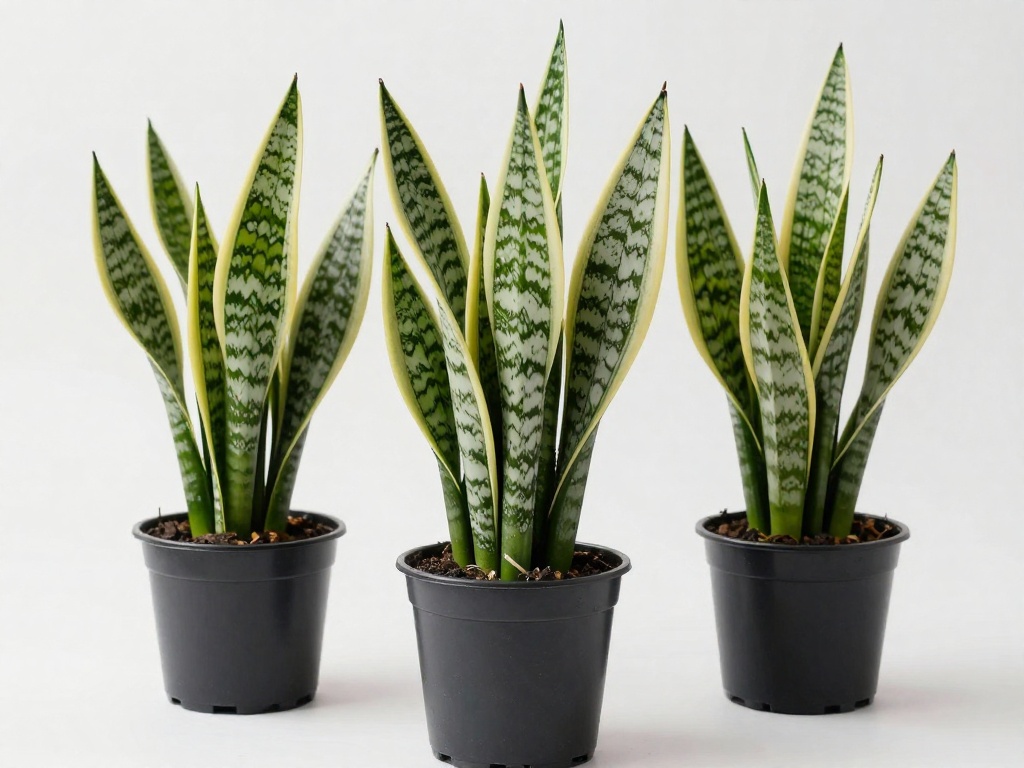
Snake Plant Fertilizing in Containers: 2026 Complete Guide
Snake plant fertilizing in containers requires a different approach than garden planting. Container-grown snake plants depend entirely on you for their nutritional needs, making proper fertilization essential for thriving, resilient plants. This comprehensive guide covers everything you need to know about feeding your snake plants in pots for maximum health and growth.
Why Container Snake Plants Need Special Fertilizing Care
When you grow snake plants in containers, the root system has limited space to search for nutrients. Unlike garden soil, potting mix loses nutrients more quickly through watering drainage. Without regular feeding, your snake plant will show signs of nutrient deficiency including yellowing leaves, stunted growth, and weakened structure.
The Container Environment Effect
Container gardening creates a closed ecosystem where nutrients must be replenished manually. Over time, watering flushes essential minerals from the soil, and the plant consumes available nutrients for growth. This makes a consistent fertilizing schedule critical for container-grown snake plants.
Best Fertilizers for Snake Plants in Containers
Choosing the right fertilizer significantly impacts your snake plant's health. For container growing, you have several excellent options.
Balanced Liquid Fertilizers
A balanced liquid fertilizer with an NPK ratio of 10-10-10 or 20-20-20 works wonderfully for snake plants. Dilute to half strength before application to prevent root burn. Liquid fertilizers absorb quickly and are easy to control in container settings.
Slow-Release Granular Fertilizers
Slow-release granules provide consistent nutrition over several months. Apply sparingly around the soil surface, scratching gently into the top inch of potting mix. This method reduces the risk of over-fertilizing while maintaining steady nutrient availability.
Organic Options for Container Snake Plants
Organic approaches include worm castings, compost tea, and fish emulsion. These natural fertilizers improve soil structure while providing nutrition. Worm castings are particularly effective—mix one part castings with three parts potting soil at planting or top-dress existing containers.
When to Fertilize Container Snake Plants
Timing your fertilizing correctly ensures your snake plant absorbs nutrients efficiently without stress.
Growing Season Schedule (Spring Through Summer)
Fertilize actively during the growing season from early spring through late summer. Feed your container snake plant every 4-6 weeks during this period. The plant's metabolic activity is highest now, meaning it can use nutrients effectively for new growth.
Winter Dormancy Period
Reduce or eliminate fertilizing during fall and winter months. Snake plants enter dormancy when light decreases and temperatures drop. Feeding during dormancy causes salt buildup in containers, leading to root damage and leaf burn.
Signs Your Snake Plant Needs Fertilizing
Watch for these indicators that your container snake plant needs feeding: pale or yellowing leaves, slow or stopped growth, smaller new leaves than previous ones, and leached or depleted-looking potting soil despite adequate watering.
Step-by-Step Fertilizing Process for Containers
Step 1: Water First
Always water your snake plant thoroughly the day before fertilizing. Moist soil protects roots from fertilizer burn and helps distribute nutrients evenly throughout the container.
Step 2: Prepare the Solution
Mix your chosen fertilizer at half the recommended strength. Snake plants prefer lean conditions, so less is more. For liquid fertilizers, add the appropriate amount to water according to package directions, then dilute again by half.
Step 3: Apply Evenly
Pour the diluted fertilizer solution around the base of the plant, saturating the soil surface. Continue until liquid drains from the bottom drainage holes, ensuring the entire root ball receives nutrition.
Step 4: Monitor and Wait
Observe your plant over the following weeks. Healthy response includes new growth emerging from the center rosette and leaves maintaining their upright, vibrant appearance. Avoid fertilizing again until the growing season ends or signs of recovery appear.
Common Fertilizing Mistakes to Avoid
Over-Fertilizing in Containers
Container plants face greater risk from over-fertilizing than garden plants. Salt accumulation damages roots and manifests as brown leaf tips, crispy edges, and white crust on the soil surface. When in doubt, err toward under-fertilizing your container snake plants.
Using Wrong Fertilizer Types
Avoid high-nitrogen fertilizers designed for lawns or foliage-heavy feeding. These cause excessive leaf growth at the expense of root development and overall plant health. Stick to balanced formulations or those specifically labeled for succulents and houseplants.
Ignoring Container Size and Soil Age
Fresh potting soil contains nutrients for 4-6 weeks. If you recently repotted with new soil, delay fertilizing to avoid nutrient overload. Smaller containers also require more frequent but lighter feeding due to faster nutrient depletion.
Repotting Considerations for Fertilizing Success
When repotting container snake plants, refresh your fertilizing approach. Use fresh potting mix combined with slow-release fertilizer pellets or add compost to the new soil. Wait 4-6 weeks before beginning your regular feeding schedule to allow roots to establish.
Container Size and Fertilizer Needs
Choose containers only slightly larger than the root ball. Oversized containers hold excessive moisture and nutrients, leading to root rot and fertilizer burn. A snug container promotes healthy root systems and more predictable fertilizing results.
Troubleshooting Fertilizer Problems
Fixing Salt Buildup
If you notice white crust on container edges or brown leaf tips despite proper watering, flush the soil thoroughly. Place the container in a sink and run water through the soil for 5-10 minutes, allowing it to drain completely. Repeat this process several times to leach accumulated salts.
Recovering From Over-Fertilizing
Remove visible fertilizer granules from the surface. Repot the plant in fresh, dry potting mix if damage is severe. Trim damaged leaves and withhold all fertilizer for several months while the plant recovers.
Benefits of Proper Container Fertilizing
Consistent, appropriate fertilizing transforms your container snake plants. Well-nourished plants develop stronger leaves that resist pests and disease, maintain vibrant color, and produce new growth regularly. Your plants become more resilient to environmental stressors and have longer lifespans.
FAQ
How often should I fertilize snake plants in containers?
Fertilize container snake plants every 4-6 weeks during spring and summer growing months. Reduce to every 8-10 weeks in early fall and stop completely during winter dormancy. Always use half-strength liquid fertilizer to prevent root burn.
What is the best fertilizer ratio for container snake plants?
Use a balanced fertilizer with equal parts nitrogen, phosphorus, and potassium such as 10-10-10 or 20-20-20. Dilute to half strength before applying. Succulent-specific fertilizers also work well and provide tailored nutrition for snake plant needs.
Can I use coffee grounds for snake plants in containers?
Fresh coffee grounds are too acidic and strong for snake plants and can harm roots. If using coffee grounds, compost them first and add only small amounts to potting mix. Better organic options include worm castings, diluted fish emulsion, or balanced liquid fertilizers.
What are signs of over-fertilizing in container snake plants?
Signs include brown leaf tips and edges, yellowing or wilting despite moist soil, white crust on soil surface or container edges, and leaf drop. If you notice these symptoms, flush the soil thoroughly and withhold fertilizer for several weeks.
Should I fertilize newly repotted snake plants?
Wait 4-6 weeks after repotting before fertilizing. Fresh potting soil contains sufficient nutrients for the initial recovery period, and adding fertilizer too soon can stress the roots. Begin your regular fertilizing schedule once you see new growth emerging.
How long does it take to see results from fertilizing snake plants?
Expect to see visible improvements within 2-4 weeks of proper fertilizing. New leaf growth appears from the center rosette, existing leaves regain firmness and color, and overall plant vigor increases. Consistent monthly feeding throughout the growing season produces the best long-term results.
No comments