
10 Essential Tips for Pumpkin Organic Gardening for Beginners
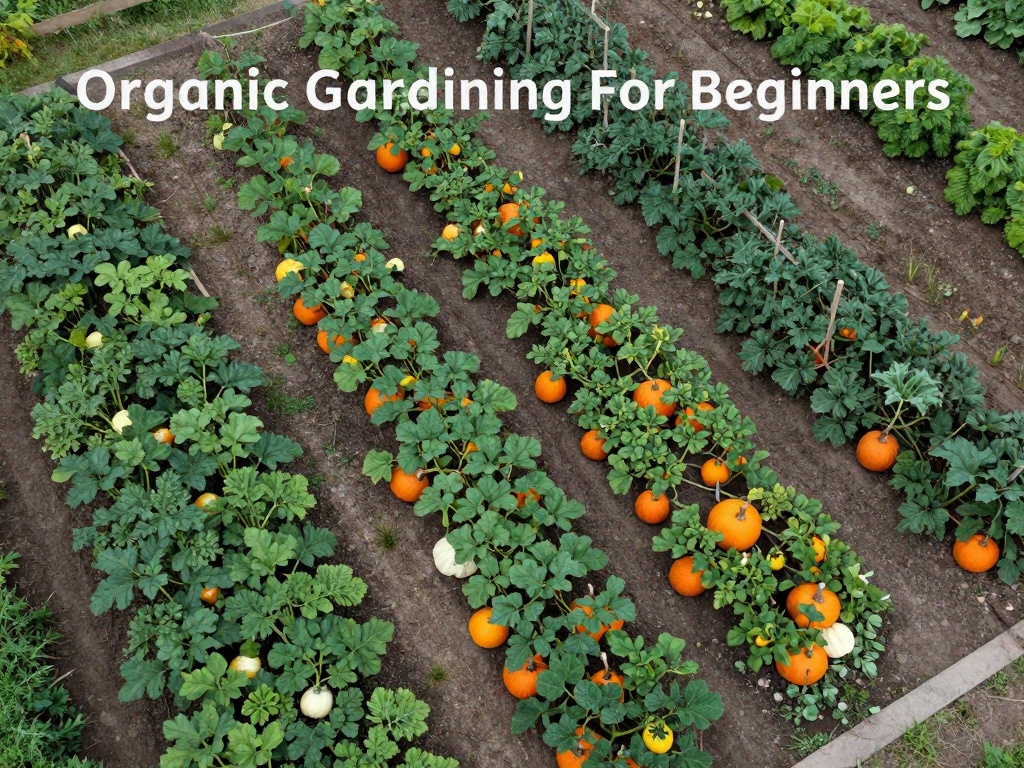
10 Essential Tips for Pumpkin Organic Gardening for Beginners
Starting your journey into pumpkin organic gardening for beginners can be one of the most rewarding experiences in vegetable gardening. There's nothing quite like watching your own pumpkins grow from tiny seeds into magnificent orange beauties ready for harvest. Whether you dream of carving jack-o'-lanterns, baking homemade pies, or simply enjoying chemical-free produce from your backyard, this guide will walk you through everything you need to know to succeed.
Understanding Pumpkin Organic Gardening Basics
Organic gardening means growing plants without synthetic pesticides, herbicides, or chemical fertilizers. For pumpkins, this approach not only produces healthier food for your family but also protects beneficial insects and improves soil health over time. Pumpkins are heavy feeders that thrive when given rich, well-amended soil and consistent care throughout the growing season.
Why Choose Organic Methods for Pumpkins
Organic pumpkin gardening for beginners creates a sustainable ecosystem in your garden. You avoid harmful chemical residues on your food while encouraging earthworms and beneficial microorganisms that naturally enrich your soil. Additionally, organic practices help your garden become more resilient against pests and diseases year after year.
How Long Do Pumpkins Take to Grow
Most pumpkin varieties require between 90 to 120 days from planting to harvest. This relatively long growing period means beginners should plan their planting dates carefully, typically starting seeds indoors 2-3 weeks before the last expected frost or direct sowing after all danger of frost has passed and soil temperatures reach at least 60°F (16°C).
Choosing the Right Pumpkin Varieties
Selecting appropriate varieties makes a significant difference when practicing pumpkin organic gardening for beginners. Some pumpkins are bred specifically for disease resistance, compact growth, or superior flavor. Understanding your end goal—whether for cooking, decoration, or both—helps narrow your choices.
Best Pumpkin Varieties for Beginners
- Small Sugar Pie Pumpkin – Perfect for baking, grows 6-8 pounds, excellent flavor
- Jack Be Little – Miniature pumpkins ideal for decoration, easy to grow
- Connecticut Field – Classic carving pumpkin, reliable producer
- Howden – Traditional Halloween pumpkin with strong stems
- Casperita – White pumpkin variety, unique and disease resistant
Consider Your Climate Zone
Your USDA hardiness zone determines which pumpkin varieties will perform best in your area. Northern gardeners may prefer shorter-season varieties (90-100 days), while those in warmer climates can experiment with larger heirloom types that need more growing time. Always check seed packets for specific temperature and timing recommendations.
Preparing Your Garden Space
Pumpkins need ample room to spread their vines, which can extend 15-20 feet or more depending on the variety. Successful pumpkin organic gardening for beginners starts with proper site selection and soil preparation. Choose a location that receives full sun—at least 6-8 hours of direct sunlight daily—and has good air circulation to prevent fungal diseases.
Soil Requirements and Preparation
Pumpkins thrive in rich, well-draining soil with a pH between 6.0 and 6.8. Work 2-4 inches of aged compost or well-rotted manure into your garden beds before planting. This organic matter improves soil structure, provides essential nutrients, and helps retain moisture without becoming waterlogged. A soil test can reveal any specific amendments your garden might need.
Creating Raised Beds or Hills
Planting pumpkins in mounds or hills improves drainage and helps soil warm faster in spring. Create hills about 12-18 inches tall and 3 feet wide, spacing them 4-6 feet apart for vining varieties. Compact or bush varieties can be planted closer together, around 2-3 feet apart. This spacing allows vines room to spread while making harvest easier.
Planting Your Pumpkin Seeds
Proper planting technique sets the foundation for healthy pumpkin plants. Direct sowing works well in most regions, but starting seeds indoors gives northern gardeners a head start on the season. Whatever method you choose, handling seedlings gently and planting at the correct depth ensures strong, vigorous growth.
Direct Sowing Outdoors
Plant 3-5 pumpkin seeds per hill, spacing hills 4-6 feet apart for vining types. Cover seeds with 1 inch of fine soil and water thoroughly but gently. Seeds typically germinate within 5-10 days when soil temperature is between 70-90°F (21-32°C). Once seedlings emerge and develop their first true leaves, thin to the strongest 2-3 plants per hill.
Starting Seeds Indoors
Begin seeds indoors 2-3 weeks before your last expected frost date using biodegradable pots that can be planted directly into the garden. Use a seed-starting mix and keep soil consistently moist at 70-75°F (21-24°C). Transplant seedlings outdoors after all frost danger passes, disturbing roots as little as possible to prevent transplant shock.
Essential Care Throughout the Growing Season
Consistent care during the growing season determines whether your pumpkins thrive or struggle. Watering, feeding, and monitoring for pests regularly will reward you with healthy plants and bountiful harvests. Remember that organic gardening relies on prevention and natural solutions rather than chemical interventions.
Watering Techniques
Pumpkins need 1-2 inches of water weekly, preferably through deep, infrequent watering rather than light sprinkling. Water at the base of plants early in the morning, avoiding wetting the foliage which can promote disease. Using mulch around plants helps retain soil moisture, suppresses weeds, and keeps roots cool during hot summer months.
Feeding Your Plants Organically
Feed pumpkins every 2-3 weeks with organic fertilizers like compost tea, fish emulsion, or seaweed extract. Side-dress plants with aged compost or well-rotted manure mid-season to provide a steady supply of nutrients. Watch for signs of nutrient deficiency—yellowing leaves may indicate nitrogen deficiency, while poor fruit development could signal potassium or phosphorus needs.
Managing Vine Growth
Pumpkin vines develop tendrils that help them anchor and spread across the garden. While some gardeners train vines to grow in desired directions, others simply let them sprawl naturally. Pruning the tips of main vines once fruits begin developing can redirect energy toward fruit production rather than excessive vegetative growth.
Natural Pest and Disease Management
Organic gardening relies on prevention, observation, and natural remedies rather than synthetic chemicals. Common pumpkin pests include squash bugs, cucumber beetles, and aphids, while diseases like powdery mildew and blossom end rot can affect plant health. Learning to identify problems early makes treatment more effective.
Preventing Common Pests
Encourage beneficial insects like ladybugs and lacewings that naturally control aphid populations. Use floating row covers to protect young plants from flying insects, removing them when flowers appear to allow pollination. Hand-pick larger pests like squash bugs and their egg clusters regularly, and use traps for cucumber beetles when populations are high.
Treating Fungal Diseases
Powdery mildew appears as white, powdery spots on leaves and spreads quickly in humid conditions. Prevent this common issue by ensuring adequate plant spacing for good air circulation and watering at soil level. If powdery mildew develops, spray plants with a mixture of 1 part milk to 9 parts water or apply neem oil according to package directions.
Pollination and Fruit Development
Understanding pumpkin pollination helps you ensure productive plants. Pumpkin plants produce both male and female flowers, and proper pollination is essential for fruit development. Bees and other pollinators transfer pollen between flowers, and helping this process along can improve your harvest.
Hand Pollination Technique
For guaranteed pollination, try hand pollinating your pumpkins. In the morning when flowers are fully open, use a small paintbrush or cotton swab to collect pollen from male flowers (those on long, thin stems). Transfer the pollen to the central pistil of female flowers (those with a small fruit at their base). This technique ensures fruit set even when pollinator activity is low.
Caring for Developing Fruit
Once pumpkins begin to develop, place a piece of cardboard, wooden board, or mulch beneath each fruit to prevent it from resting directly on damp soil. This prevents rot and protects the pumpkin's underside. Reduce watering slightly as fruits near maturity to concentrate sugars and improve flavor.
Harvesting and Storing Your Pumpkins
Knowing when and how to harvest makes all the difference in storage longevity and flavor. Pumpkins are ready when their rinds are fully colored and hard enough that a fingernail cannot pierce them. Cut fruits from vines using sharp pruners, leaving several inches of stem attached for better storage.
Signs Your Pumpkins Are Ready
A ripe pumpkin develops deep, uniform color and a woody, corky stem. The skin should feel hard and resist scratching when pressed with a fingernail. Tendrils near the fruit often turn brown and begin to dry as the pumpkin matures. Trust these visual and tactile cues rather than relying solely on the number of days since planting.
Proper Storage Methods
Cure harvested pumpkins by placing them in a warm, dry location (80-85°F) for 10-14 days to harden their skins and heal any minor cuts. After curing, store pumpkins in a cool, dry place between 50-55°F with good ventilation. Properly stored pumpkins can last 3-6 months, providing you with homegrown produce well into winter.
Frequently Asked Questions
What is the best month to plant pumpkin seeds for organic gardening?
The ideal planting time depends on your local climate, but generally, pumpkin seeds should be planted 2-3 weeks after the last frost when soil temperatures reach at least 60°F (16°C). In most temperate regions, this falls between late April and mid-June. This timing ensures young seedlings won't be damaged by late frosts while still having enough growing days before first fall frost.
Can I grow pumpkins in containers for organic gardening?
Yes, compact or bush varieties of pumpkins can be grown successfully in large containers—at least 24 inches deep and 18-24 inches wide. Use a high-quality organic potting mix and ensure containers have adequate drainage holes. Container-grown pumpkins require more frequent watering and feeding since nutrients leach faster than in ground gardens. Choose smaller varieties like Jack Be Little or Baby Boo for best results.
Why are my pumpkin flowers falling off without producing fruit?
Male flowers often drop naturally before female flowers appear—this is normal. However, if female flowers (those with tiny fruits behind them) fall off without developing, poor pollination is likely the cause. Increase pollinator activity by planting companion flowers nearby, avoid using pesticides that harm bees, and consider hand-pollinating flowers to ensure successful fruit set.
No comments