
Beets Container Gardening: Complete Guide for Success
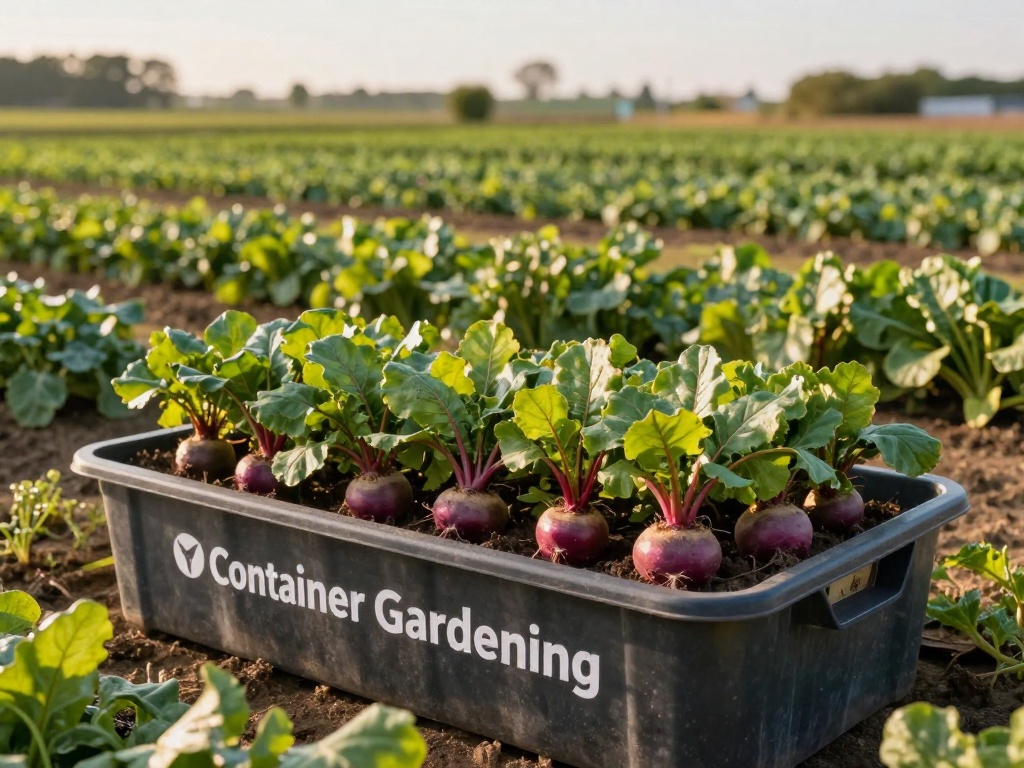
Beets Container Gardening: Complete Guide for Success
Beets container gardening offers an excellent solution for gardeners with limited space who want to enjoy fresh, homegrown root vegetables. Whether you have a small balcony, patio, or simply lack garden beds, growing beets in containers allows you to cultivate these nutritious vegetables successfully. This comprehensive guide covers everything you need to know about beets container gardening in containers, from choosing the right varieties to harvesting your crop.
Why Choose Container Gardening for Beets
Container gardening has become increasingly popular among urban gardeners and those with limited outdoor space. Beets are particularly well-suited for container growing because they have relatively shallow root systems and don't require extensive space to develop properly. Growing beets in containers also gives you better control over soil conditions, drainage, and placement, resulting in healthier plants and more predictable harvests.
Benefits of Growing Beets in Containers
- Perfect for balconies, patios, and small spaces
- Better control over soil quality and moisture levels
- Easier to protect from pests and extreme weather
- Mobile containers allow optimal sun exposure
- Reduced risk of soil-borne diseases
Choosing the Right Containers for Beets
Selecting appropriate containers is crucial for successful beets container gardening. Beets need adequate depth for their roots to develop properly, so choose containers that are at least 12 inches deep. The width depends on how many plants you want to grow—each beet requires about 3-4 inches of space to develop fully.
Container Materials and Drainage
Terra cotta, plastic, wood, and fabric grow bags all work well for beets container gardening. Whatever material you choose, ensure your containers have sufficient drainage holes at the bottom. Standing water can cause root rot and other fungal issues that will destroy your crop. Place a saucer beneath containers to catch excess water and protect surfaces.
Recommended Container Sizes
- Single beet: 6-8 inch pot
- 3-4 beets: 12 inch window box or round container
- Multiple rows: large rectangular planters at least 12 inches deep
Best Soil Mix for Beets in Containers
Beets thrive in loose, well-draining soil that is rich in organic matter. Avoid using garden soil alone in containers, as it tends to become compacted and may contain weed seeds or pathogens. Create an ideal growing medium by combining quality potting mix with compost and perlite for improved drainage.
Ideal Soil Components
- Two parts quality potting mix
- One part mature compost
- One part perlite or coarse sand
- Optional: small amount of aged manure
Maintain soil pH between 6.0 and 7.0 for optimal nutrient absorption. Beets particularly need boron for healthy development, so consider adding a small amount of borax to your soil mix if your region is boron-deficient.
Selecting Beet Varieties for Container Growing
Not all beet varieties perform equally well in containers. Choose compact or miniature varieties that have been bred for container culture or small garden spaces. These varieties produce smaller roots while maintaining excellent flavor and quality.
Top Beet Varieties for Containers
Detroit Dark Red remains a classic choice with deep red flesh and sweet flavor. Bull's Blood offers attractive dark red leaves that are also edible and delicious. Baby Beet varieties like 'Little Ball' and 'Ping Pong' are specifically bred for small spaces and mature quickly. For visual interest, try Golden Beet varieties that feature orange-yellow flesh and a milder, sweeter taste.
Planting Beets in Containers
Timing and technique matter when planting beets in containers. Beets are cool-season crops that can be planted in early spring or late summer for fall harvests. Sow seeds directly into your prepared containers since beets don't transplant well due to their taproot systems.
How to Plant Beet Seeds
Soak seeds in warm water for 24 hours before planting to improve germination rates. Scatter seeds across the soil surface and cover with approximately half an inch of fine soil. Gently water the container until moisture reaches the bottom. Maintain consistent moisture until seedlings emerge, which typically takes 7-14 days depending on temperature.
Thinning Seedlings
Beet seeds are actually clusters containing multiple embryos, so thinning is essential for proper development. Once seedlings reach about 2 inches tall, thin them to 3-4 inches apart. Don't discard the thinnings—these tender young beets make excellent additions to salads and stir-fries.
Caring for Container-Grown Beets
Proper care ensures healthy growth and bountiful harvests. Container beets require attention to watering, feeding, and environmental conditions to thrive.
Watering Requirements
Beets need consistent moisture for even development. Water deeply whenever the top inch of soil feels dry, typically every 2-3 days during warm weather. Container plants dry out faster than garden beds, so monitor soil moisture regularly. Uneven watering causes cracking, woody texture, and poor color development in the roots.
Feeding Your Beets
Feed container beets with a balanced, water-soluble fertilizer every 2-3 weeks during the growing season. Choose a fertilizer with slightly lower nitrogen content to encourage root development over excessive leaf growth. Over-fertilizing with nitrogen produces lush tops but small, poor-quality roots.
Sunlight Needs
Beets require at least 6-8 hours of direct sunlight daily for optimal growth. Position containers where they receive adequate sun exposure, especially during the critical root development phase. Morning sun is preferable in hot climates to prevent heat stress.
Common Pests and Problems
Even container-grown beets can encounter pest and disease issues. Prevention and early detection help maintain healthy plants throughout the growing season.
Preventing Common Beet Problems
- Leaf miners: Use row covers to prevent adult flies from laying eggs
- Aphids: Spray with water or apply insecticidal soap
- Cercospora leaf spot: Ensure good air circulation and avoid overhead watering
- Root rot: Use well-draining soil and avoid overwatering
Harvesting Your Container Beets
Most beet varieties mature in 50-70 days from planting. Harvest when roots reach approximately 1-3 inches in diameter, depending on the variety. Larger beets become woody and less flavorful, so harvest promptly rather than allowing them to overgrow in the container.
Proper Harvesting Technique
Water the container lightly before harvesting to soften the soil. Grasp the foliage near the base and gently pull while loosening the soil around the root with a small trowel. Remove leaves by twisting or cutting them off, leaving about an inch of stems attached. Store unwashed beets in plastic bags in the refrigerator for up to two weeks.
Maximizing Your Beets Container Garden
Success in beets container gardening comes from attention to detail and understanding the plant's needs. By following these guidelines and monitoring your plants regularly, you'll enjoy a rewarding harvest of fresh, flavorful beets.
Consider succession planting every 2-3 weeks during appropriate seasons for continuous harvests. Companion planting with lettuce, onions, or herbs works well in larger containers and maximizes your growing space efficiently.
FAQ
What size container is best for growing beets?
A container at least 12 inches deep and 12 inches wide works best for growing beets. Each beet plant needs 3-4 inches of space to develop properly, so choose your container size based on how many plants you wish to grow.
How long do beets take to grow in containers?
Most beet varieties take between 50-70 days from seed planting to harvest. Miniature varieties may be ready in as little as 40-50 days, while larger varieties may require up to 80 days for full maturity.
Can I grow beets indoors in containers?
Yes, beets can be grown indoors in containers provided they receive at least 6-8 hours of direct sunlight daily. Place containers near south-facing windows or under grow lights for best results. Indoor growing works especially well during off-seasons.
Why are my container beets small and woody?
Small, woody beets typically result from inadequate spacing, insufficient watering, or poor soil conditions. Ensure proper thinning, maintain consistent moisture, and use quality potting mix with adequate nutrients. Avoid planting in containers that are too shallow, as this restricts root development.
No comments