
Charles Dowding No Dig Gardening: 7 Proven Methods for Success
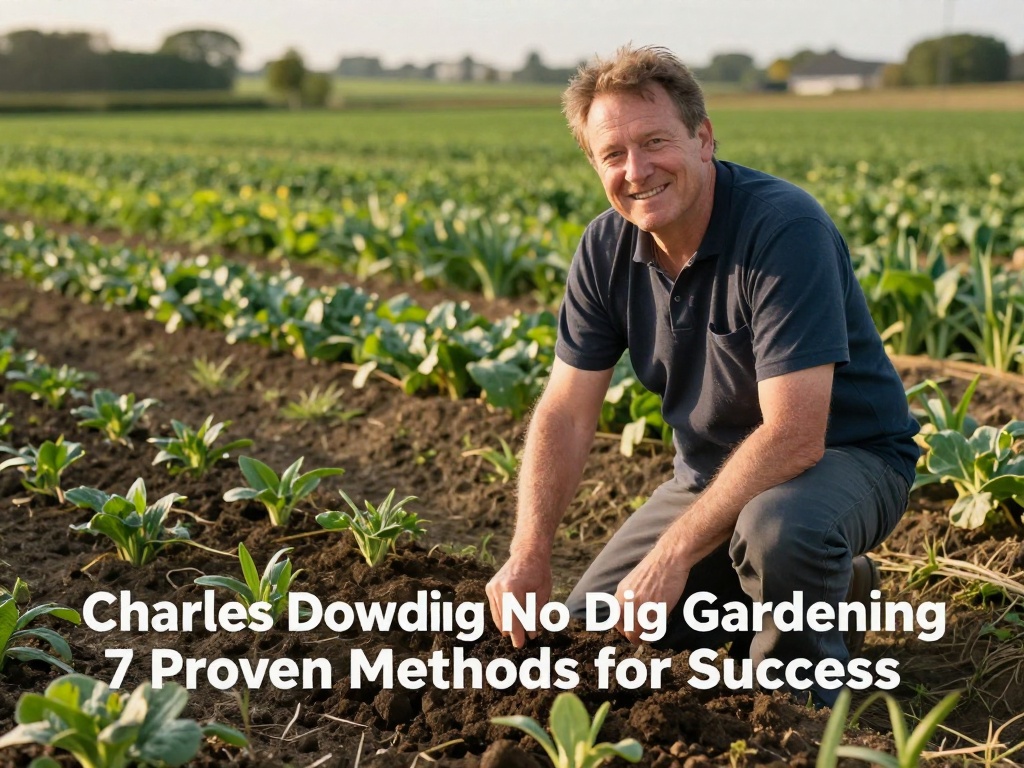
Charles Dowding No Dig Gardening: 7 Proven Methods for Success
Charles Dowding no dig gardening has revolutionized how growers approach soil management. This British horticulturist has spent over four decades perfecting a method that working with nature rather than against it. The results speak for themselves: healthier plants, dramatically reduced weeds, and abundant harvests without the backbreaking work of traditional digging.
If you have been struggling with compacted soil or endless hours spent battling weeds, the no dig approach might be exactly what your garden needs. In this comprehensive guide, you will discover the proven methods that have made Charles Dowding's techniques so successful across gardens worldwide.
What is No Dig Gardening?
No dig gardening is a cultivation method that maintains soil structure by avoiding disturbance through digging or tilling. Instead of breaking up the earth, you add organic matter to the surface and let earthworms and other soil organisms do the work. This approach mimics natural processes where soil never gets turned over yet remains fertile and productive.
Charles Dowding developed his method through practical experimentation on his market garden in Somerset, England. He discovered that soil structure improves dramatically when you stop compacting and disturbing it. The fungal networks, bacterial colonies, and worm populations thrive when left undisturbed, creating a living ecosystem that feeds your plants naturally.
The Science Behind No Dig
Research supports what no dig practitioners have observed for years. When you dig soil, you disrupt the intricate network of mycelium that transports nutrients between plants. Tilling also brings weed seeds to the surface where they germinate, creating more work for the gardener. By leaving soil intact, beneficial organisms can colonize the root zone and provide plants with better nutrition and disease resistance.
Key Differences from Traditional Gardening
Traditional digging aerates soil temporarily but destroys structure over time. Each time you turn the earth, you collapse air pockets that took months to create. No dig gardening preserves these channels, allowing roots to penetrate deeper and water to drain properly. The result is soil that becomes progressively better with each passing year rather than requiring constant amendment.
Benefits of Charles Dowding's No Dig Method
Adopting Charles Dowding no dig gardening techniques offers numerous advantages for both the gardener and the garden ecosystem. These benefits compound over time, making your garden increasingly productive with less effort required.
Reduced Weed Growth
Perhaps the most appreciated benefit is the dramatic reduction in weeds. When you do not bring buried seeds to the surface, fewer weeds germinate. Additionally, a thick layer of compost smothers existing weeds. Many no dig gardeners report spending just minutes per week on weed control compared to hours with traditional methods.
Improved Soil Structure
Undisturbed soil develops excellent structure with natural air channels and water infiltration pathways. Earthworms produce castings that enrich the soil while their burrows improve drainage and root penetration. Over time, heavy clay becomes friable while sandy soil gains moisture-retention capacity.
Less Physical Labor
No digging means no aching back and blistered hands from turning soil. You eliminate the most physically demanding task in gardening while achieving better results. This makes gardening accessible to people of all ages and physical abilities.
Getting Started with No Dig Gardening
Transitioning to no dig gardening requires understanding a few key principles. The process is straightforward but does require patience as you allow the soil ecosystem to establish and strengthen.
Preparing Your Growing Area
First, cut any existing vegetation to ground level. You can use cardboard or thick newspaper directly on top of grass or weeds. Overlap the edges to prevent any light reaching the plants below. Wet the cardboard thoroughly before applying compost on top. This creates an instant growing bed without removing existing plants.
The Essential Compost Layer
Charles Dowding recommends applying a minimum of two inches of quality compost on top of your beds annually. This organic matter feeds the soil from above, and worms incorporate it into the lower soil layers over time. The compost provides nutrients while gradually improving soil structure throughout the entire profile.
Choosing the Right Compost
Quality matters when selecting compost for no dig gardening. Well-aged compost from reliable sources works best. You can use homemade compost, purchased organic compost, or municipal compost that has been properly processed. Avoid using mushroom compost on beds where you plan to grow carrots, as it can cause forking.
Charles Dowding's 7 Proven Methods
These seven core techniques form the foundation of successful no dig gardening. Each method contributes to the overall success of the system, and using them together creates synergistic benefits.
1. Mulch Heavily with Organic Matter
Apply thick mulch layers to feed soil organisms and suppress weeds. Materials like straw, leaves, and compost work well. Mulch insulates soil temperature, conserves moisture, and provides habitat for beneficial insects.
2. Plant Into Compost, Not Bare Soil
Always plant seedlings into compost rather than disturbing the underlying soil. The compost provides an ideal germination medium while the soil beneath remains protected and biologically active.
3. Use Wide Beds for Better Productivity
Organize your garden into permanent raised beds with paths between them. This concentrates fertility in growing areas while preventing foot traffic from compacting soil where plants grow.
4. Practice Succession Planting
Keep soil covered and productive by following one crop with another immediately. As soon as you harvest a plant, add compost and install the next crop. Bare soil loses fertility and invites weed colonization.
5. Water Deeply but Infrequently
Encourage deep root growth by watering thoroughly then allowing soil to dry partially between waterings. This develops plants with extensive root systems that access nutrients and moisture from deeper soil layers.
6. Rotate Crops Annually
Move plant families to different beds each year to reduce pest and disease buildup. Even without digging, rotation provides benefits by varying nutrient demands and breaking pest life cycles.
7. Observe and Adapt Constantly
Pay attention to what works in your specific conditions. Charles Dowding emphasizes learning from your garden through careful observation. Adjust timing, spacing, and techniques based on your results.
Common Mistakes to Avoid
Even with the best intentions, beginners sometimes make errors that slow their progress. Knowing these pitfalls helps you avoid them and achieve faster results with your no dig garden.
Using Insufficient Compost
Thin compost layers cannot suppress weeds effectively or feed soil organisms adequately. Apply at least two inches annually, and do not hesitate to add more where weeds have been problematic.
Walking on Beds
Compacting soil by walking on beds defeats the purpose of no dig gardening. Create beds narrow enough to reach the center from either side without stepping onto the growing area. Permanent beds with designated paths solve this issue.
Impatience During Transition
Existing perennial weeds may persist for a season or two during the transition period. Do not dig them out manually, as this only multiplies root fragments. Continue mulching and they will eventually exhaust themselves and disappear.
No Dig Gardening Success Stories
Thousands of gardeners have transformed their growing spaces using Charles Dowding no dig gardening methods. From small urban balconies to extensive market gardens, the principles work across all scales and settings.
Home gardeners report harvesting more vegetables with less effort after adopting no dig practices. Market gardeners appreciate the efficiency that allows them to manage larger areas without additional labor. Schools and community gardens benefit from the reduced maintenance requirements that make participation more accessible.
Seasonal No Dig Tasks
Successful no dig gardening follows an annual rhythm of specific tasks that maintain soil health and maximize productivity.
Spring Preparation
As soil warms, add a light compost layer if needed and begin planting. Warm-season crops like tomatoes, peppers, and beans thrive when planted into soil that has been protected all winter.
Summer Maintenance
Keep beds mulched and harvest regularly to encourage continued production. Add compost around heavy feeders likecourgettes and tomatoes as they mature.
Autumn and Winter
Clear finished crops and plant winter vegetables or cover crops. This prevents nutrient leaching and keeps soil organisms active through the colder months.
Frequently Asked Questions
Does no dig gardening really work for beginners?
Absolutely. No dig gardening is often easier for beginners because it requires less skill and physical effort. The heavy emphasis on mulching and composting provides forgiveness for common mistakes and builds soil health automatically.
How long does it take to see results from no dig gardening?
Most gardeners notice significant improvements within the first growing season. Weed pressure decreases noticeably, and plants often perform better due to improved soil structure. Maximum benefits develop over three to five years as soil biology becomes fully established.
Can I convert an existing dug garden to no dig?
Yes, conversion is straightforward. Simply apply cardboard or newspaper directly over your existing beds and cover with compost. Within one to two seasons, your soil ecosystem will recover and begin functioning as intended.
What crops grow best with no dig methods?
All crops benefit from no dig gardening, but some respond especially dramatically. Root vegetables like potatoes and carrots produce cleaner, straighter specimens. Leafy greens thrive in the improved structure. Overall, yields increase across all crop categories.
No comments