
Tomato Sucker Removal for Higher Yields: 2024 Step-by-Step Grower’s Guide
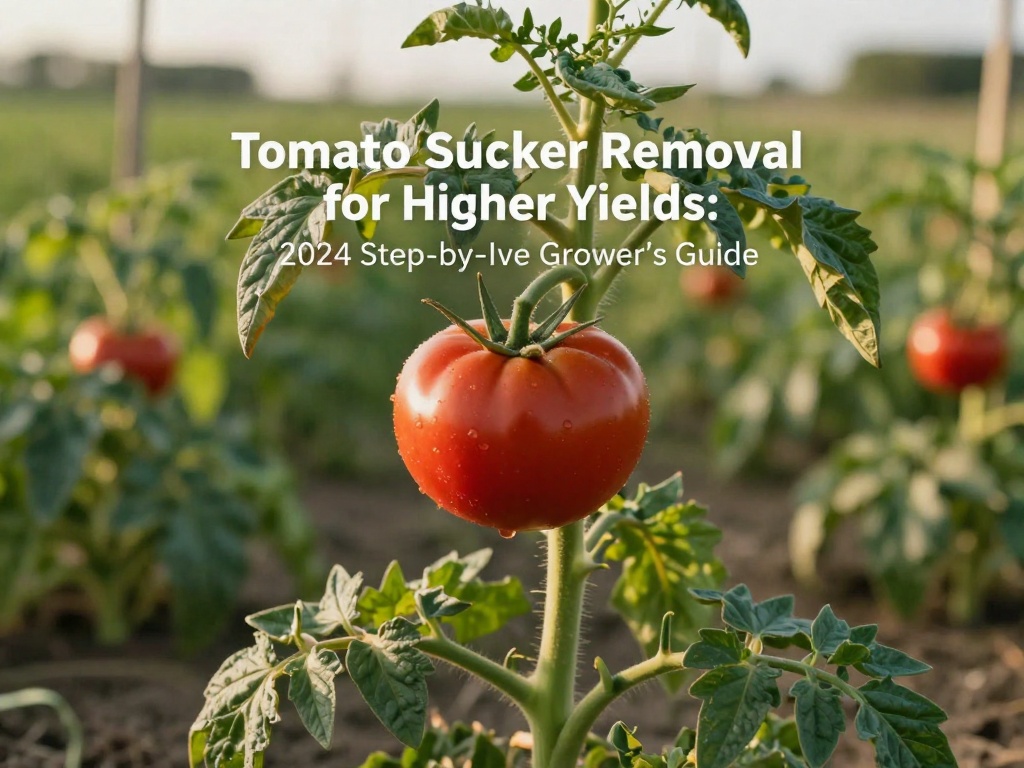
Tomato Sucker Removal for Higher Yields: 2024 Step-by-Step Grower’s Guide
If you’re a home gardener or small-scale farmer chasing bigger, healthier tomato harvests, tomato sucker removal for higher yields is one of the most impactful low-effort practices you can adopt. University of California Agriculture and Natural Resources (UC ANR) research confirms that properly executed sucker removal can boost marketable tomato yields by up to 25% by redirecting plant energy to fruit production instead of unnecessary foliage. This practice also improves air circulation around plants, reducing the risk of common fungal blights that ruin tomato crops.
What Exactly Are Tomato Suckers?
Tomato suckers are small, leafy shoots that grow in the “axil” — the joint where a tomato plant’s main stem meets a side branch. Unlike productive fruiting branches, these suckers grow vegetative foliage that drains energy from the main plant, even if they occasionally produce small clusters of fruit. Indeterminate tomato varieties, which grow and produce fruit all season long, are far more prone to producing excess suckers than determinate, or bush-type, tomato plants.
Core Benefits of Regular Sucker Removal
Larger, Heavier Fruit Clusters
When you remove excess suckers, your tomato plant redirects all the sugars and nutrients it produces to its existing fruiting branches. A 2023 study from Ohio State University’s Extension service found that sucker-pruned indeterminate tomato plants produced 30% larger beefsteak and heirloom tomatoes than unpruned plants. The energy that would have gone into growing new foliage fuels bigger, juicier fruit instead.
Reduced Risk of Plant Disease
Dense, overgrown tomato foliage traps moisture and blocks sunlight, creating the perfect environment for early blight, septoria leaf spot, and powdery mildew. Sucker removal opens up the plant’s canopy, improving air flow and sun exposure. UC ANR data shows that pruned tomato plants have a 40% lower risk of developing fungal diseases that can wipe out entire harvests.
Easier Harvest and Routine Maintenance
Unpruned tomato plants can grow into sprawling, tangled masses that make it hard to spot ripe fruit or access plants for watering and pest control. Pruned plants stay compact, well-supported, and easy to manage throughout the growing season, even for large backyard plots.
Step-by-Step Guide to Proper Tomato Sucker Removal
1. Identify Which Suckers to Remove
Not all suckers need to be removed to boost yields. As a general rule, remove all suckers that grow below the first flower cluster on your tomato plant. You can leave 1-2 small suckers just above the first flower cluster to support additional fruit growth, but avoid leaving more than that to prevent overgrowth. Never prune determinate tomato varieties, as they set fruit on all their branches and pruning can reduce their total yield.
2. Use the Correct Pruning Technique
The best time to remove suckers is when they are 2-4 inches long, soft and green, not woody. Pinch them off by hand at their base where they meet the main stem to avoid leaving large stubs that can attract pests. For larger, more established suckers, use a clean pair of sharp pruning shears to make a clean cut, and sanitize your tools between plants to prevent spreading disease.
3. Maintain a Consistent Pruning Schedule
Check your tomato plants for new suckers every 7-10 days throughout the growing season. Indeterminate varieties will keep producing new suckers as they grow, so regular checks ensure you never let excess suckers drain energy from your fruit. Stop pruning 4-6 weeks before your area’s first expected fall frost to let the plant focus on ripening its existing fruit.
Frequently Asked Questions
Is it ever harmful to remove tomato suckers?
Only if you prune determinate tomato varieties, which produce all their fruit on pre-set branches. Pruning determinate plants will reduce your total yield. Over-pruning indeterminate varieties, like removing all suckers, can also expose fruit to sunscald, so leave 1-2 upper suckers to provide shade for developing fruit.
Can I grow the suckers I remove into new tomato plants?
Yes! Healthy, soft suckers that are 4-6 inches long can be rooted in water or potting soil to grow new identical tomato plants. This is a great way to expand your garden for free, as long as the parent plant is completely free of disease and pests.
How much extra yield can I expect from regular sucker removal?
For indeterminate heirloom and beefsteak varieties, properly executed sucker removal typically boosts marketable yields by 20-25% per plant, according to data from the USDA’s Sustainable Agriculture Research and Education (SARE) program. This translates to an extra 5-10 pounds of tomatoes per plant for most home gardeners.
No comments