
Potato Seed Chitting for Home Gardens: 2024 Beginner’s Guide to Bigger Harvests
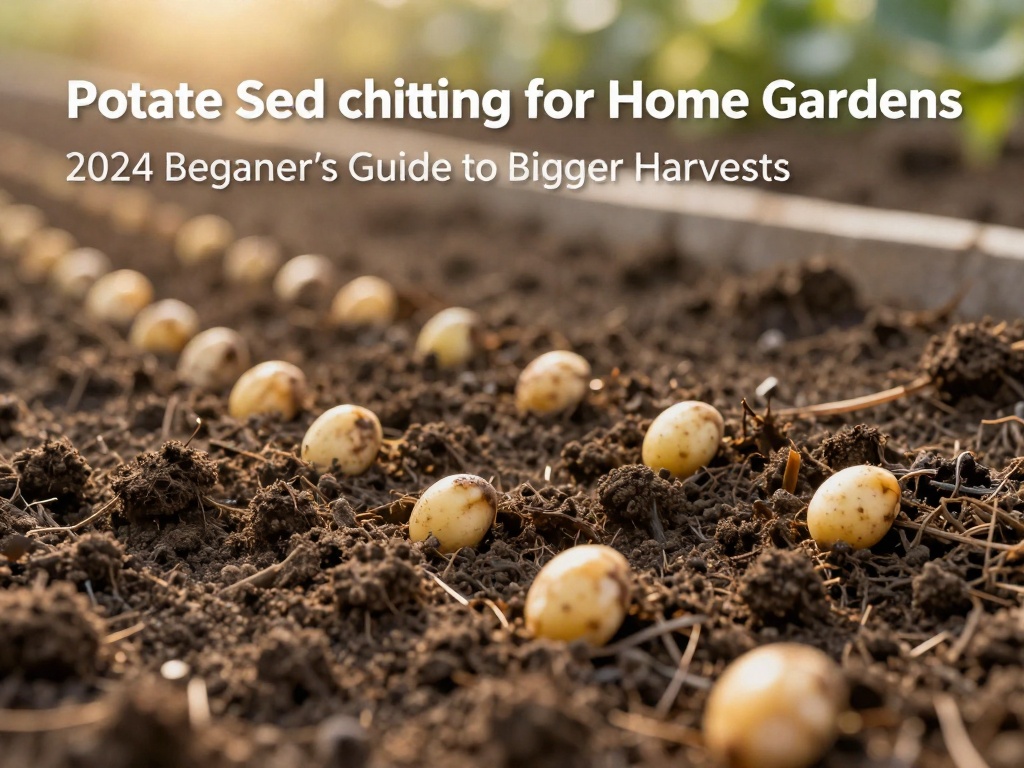
Potato Seed Chitting for Home Gardens: 2024 Beginner’s Guide to Bigger Harvests
If you grow potatoes in your backyard, potato seed chitting for home gardens is one simple hack that can transform your annual harvest. Chitting, or pre-sprouting potato seeds before planting, gives your tubers a 2-3 week head start on the growing season, which is critical for short-season climates. University of Minnesota Extension data confirms chitted potatoes produce 25-30% higher yields than unchitted tubers, making the small effort well worth your time.
What Is Potato Seed Chitting, and Why Does It Work?
Chitting is the process of triggering natural sprouting in certified seed potatoes before you transplant them into your garden soil. Unlike grocery store potatoes, seed potatoes are tested to be free of common crop-ruining diseases like late blight and black scurf. Pre-sprouting lets you lock into the growing season as soon as your soil thaws, rather than waiting weeks for tubers to sprout in cold garden soil.
Step-by-Step Guide to Chitting Potatoes for Home Gardens
1. Source Certified Seed Potatoes First
Never use grocery store potatoes for chitting. Most commercial grocery potatoes are treated with sprout inhibitors that prevent them from growing, even if you try to prep them for planting. Buy certified seed potatoes from local garden centers or reputable online seed suppliers, with popular home garden varieties including Yukon Gold, Russet, and Red Pontiac.
2. Prep Your Low-Cost Chitting Setup
You don’t need fancy supplies to chit potatoes. Egg cartons, shallow seed trays, or even cardboard boxes work perfectly as chitting containers. Place each tuber in its own compartment with the “rose end” — the end of the potato with the most small indentations, or eyes — facing up. This is where healthy sprouts will emerge.
3. Maintain Ideal Growing Conditions
Place your chitting containers in a spot that gets bright, indirect sunlight and stays between 45-60°F (7-15°C). Avoid direct sunlight, which can scorch young sprouts, and don’t put them in a drafty area that could dry out the tubers. You never need to add water to your chitting potatoes; ambient household humidity is enough to support steady sprout growth.
4. Plant When Sprouts Hit the Ideal Length
After 2-4 weeks, your tubers will develop thick, 1-2 inch long green or purple sprouts. This is the perfect time to plant them in well-draining, nutrient-rich soil in your garden. This growth headstart is what drives the 25-30% yield boost cited by agricultural extension experts for chitted potato crops.
Common Chitting Mistakes to Avoid
Letting Sprouts Grow Too Long
Sprouts longer than 2 inches become fragile and prone to breaking during planting, which can set your crop’s growth back by weeks. If your sprouts are growing too quickly, move the chitting container to a cooler spot to slow development until your garden is ready for planting.
Ignoring Rot Risk
Never add water to chitting tubers, and avoid placing them in a damp area like a basement bathroom. Excess moisture causes tubers to rot before you can plant them, wasting your time and seed supply. A cool, dry, bright windowsill is the ideal chitting location for most home gardeners.
Planting Non-Sprouting Tubers
Chitting also lets you cull weak tubers that never develop sprouts. If a potato hasn’t grown sprouts after 4 weeks, it’s unlikely to thrive in your garden, so you can skip planting it and avoid wasting valuable garden space on a non-productive plant.
Frequently Asked Questions
How long does it take to chit potato seeds for home gardens?
Most seed potato varieties fully chit in 2-4 weeks, depending on your location’s temperature. Early-season potato types, which mature faster, often chit in as little as 14 days, while late-season storage varieties may take the full 4 weeks to develop strong, plant-ready sprouts.
Can I chit potatoes in the dark to speed up the process?
Chitting in the dark is not recommended. Dark conditions lead to thin, pale, leggy sprouts that break easily and are more susceptible to disease. Bright, indirect light produces strong, healthy sprouts that survive transplanting and thrive through the full growing season.
Is chitting required to grow potatoes in a home garden?
While you can plant unchitted potatoes, chitting delivers measurable benefits for home gardeners. The 25-30% yield boost from chitting, plus the ability to cull weak tubers early, makes it a low-effort, high-reward step that’s well worth the small time investment for any home potato grower.
No comments