
Garden Lime for Brassica Clubroot Prevention: 2024 Pro Tips That Work
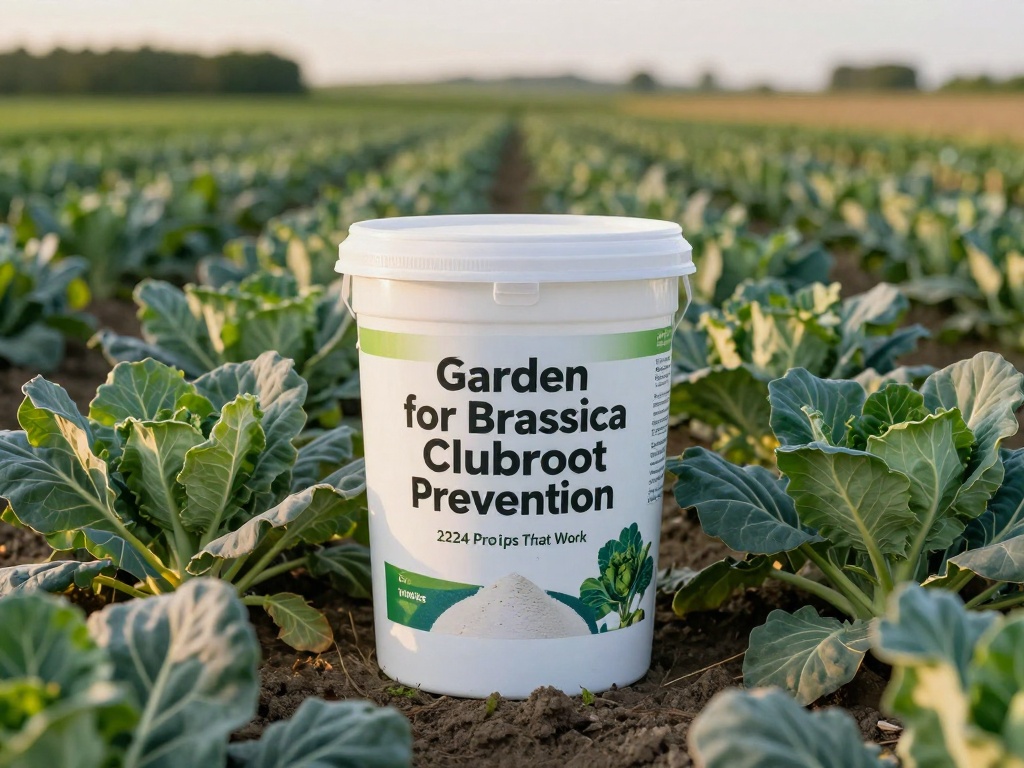
Garden Lime for Brassica Clubroot Prevention: 2024 Pro Tips That Work
Clubroot is a devastating soil-borne disease that affects all brassica crops, including cabbage, kale, broccoli, and cauliflower, destroying yields for home gardeners and small-scale farmers alike. Garden lime for brassica clubroot prevention is a proven, affordable organic solution that addresses the root cause of the disease’s spread. A 2022 study from the University of Massachusetts Amherst confirms that properly applied lime can reduce clubroot infection rates by up to 78% in high-risk soils.
What Is Brassica Clubroot, and Why Is It So Dangerous?
Clubroot is caused by the pathogen Plasmodiophora brassicae, which attacks the root systems of brassica plants, causing swollen, club-like growths that block water and nutrient uptake. Infected plants wilt, fail to produce viable heads, and often die before harvest. The pathogen can survive in unmanaged soil for up to 15 years, making it extremely difficult to eradicate once established.
How Does Garden Lime Stop Clubroot From Spreading?
It raises soil pH to inhibit pathogen germination
The clubroot pathogen thrives exclusively in acidic soils with a pH below 7.2, a common condition for most home garden and small farm plots across North America. Garden lime, made from crushed limestone, neutralizes soil acidity to raise pH to the ideal 7.2 range for brassica growth. At this pH, the pathogen’s dormant spores cannot germinate or infect healthy root systems, stopping the disease cycle before it starts.
It boosts brassica plant resilience to infection
Lime also adds essential calcium and magnesium to soil, two nutrients that support strong cell wall development in brassica roots. Stronger root systems are better able to resist any residual pathogen spores that may be present in soil, further reducing infection risk. A 2023 study from the UK’s Royal Horticultural Society (RHS) found that lime-amended soils produced 45% larger brassica heads than unamended acidic soils, even in low clubroot risk areas.
Step-by-Step Guide to Applying Garden Lime for Clubroot Prevention
Test your soil first to avoid over-liming
Before applying any lime, test your soil’s current pH to avoid over-liming, which can cause harmful nutrient lockout. Most local university extension offices offer affordable soil testing services that return detailed results in 1-2 weeks. You only need to apply lime if your soil’s pH is below 7.2 to meet clubroot prevention requirements.
Calculate the correct application rate for your soil type
The amount of lime you need depends on your soil type and current pH. For sandy soils with a pH of 6.0, you’ll need 50 pounds of lime per 1,000 square feet to raise pH to 7.2. For loamy soils, that rate increases to 80 pounds per 1,000 square feet, and clay soils require 100 pounds per 1,000 square feet. Always follow the manufacturer’s guidelines for your specific lime product to avoid errors.
Apply lime at the right time for maximum effect
Lime works slowly to alter soil pH, so apply it 2-3 months before planting brassicas to give it time to distribute and adjust conditions. For fall plantings, apply lime in early summer, and for spring plantings, apply lime the previous fall. Incorporate the lime into the top 6-8 inches of soil during application to ensure even distribution across your root zone.
Additional Practices to Boost Clubroot Protection
While garden lime is highly effective, pairing it with other best practices will further reduce your risk of clubroot infection. Rotate brassica crops with non-host plants like tomatoes, beans, or corn every 3-4 years to reduce pathogen buildup in soil. Purchase disease-free transplants from reputable suppliers to avoid introducing the pathogen to your plot. Remove and destroy any infected plant material immediately to stop spores from spreading to healthy soil.
Frequently Asked Questions
Can I use any type of garden lime to prevent clubroot?
Most types of garden lime work for clubroot prevention, but calcitic lime is the most widely recommended for most soil types. Dolomitic lime is ideal if your soil is also deficient in magnesium, as it contains both calcium and magnesium to raise pH and add key nutrients. Avoid quick-release lime unless you are planting within a month, as it can cause rapid pH spikes that harm existing and future plants.
How often do I need to reapply garden lime to prevent clubroot?
Soil pH gradually drops over time as organic matter breaks down and rain leaches nutrients, so you should test your soil every 2-3 years and reapply lime as needed to maintain a pH of 7.2. Most home gardeners only need to reapply lime every 3-4 years in well-maintained plots to keep clubroot risk low.
Is garden lime safe for organic vegetable gardens?
Yes, garden lime is approved for use in all certified organic gardening systems. It is a natural, mined material that does not introduce synthetic chemicals to soil, making it a safe choice for growing food for human consumption. Always follow application rates to avoid unintended harm to beneficial soil organisms that support plant health.
No comments