
Rabbit Manure Composting for Container Gardens: 7 Proven 2024 Tips to Boost Yields
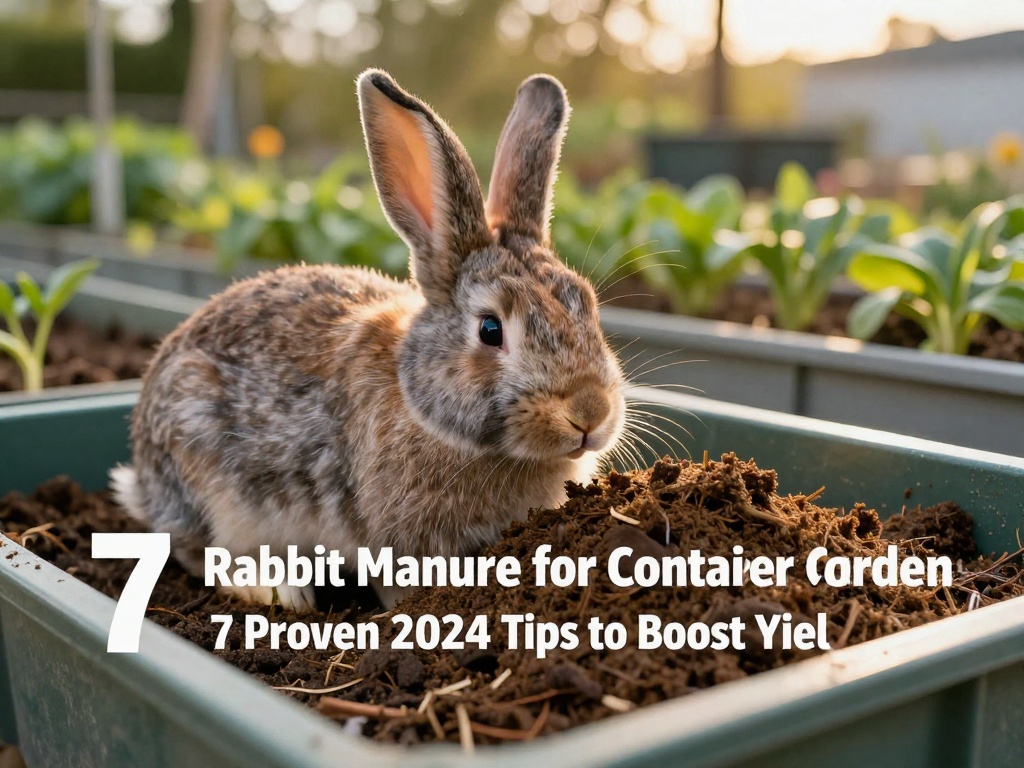
Rabbit Manure Composting for Container Gardens: 7 Proven 2024 Tips to Boost Yields
Rabbit manure composting for container gardens is one of the most underrated organic amendments to elevate small-space growing. Unlike hot livestock manures that can burn tender container plant roots, rabbit manure is a cold manure that’s safe to use with minimal processing. The University of Minnesota Extension confirms rabbit manure has 2x more nitrogen than chicken manure and 4x more than cow manure, making it a nutrient-dense power source for potted plants.
Why Rabbit Manure Compost Is Ideal For Container Gardens
Container gardens rely on nutrient-dense, well-draining soil to thrive, since potted plants have limited access to natural soil microorganisms. Rabbit manure compost checks every box for container growing, with unique benefits that outperform many common store-bought soil additives.
Balanced Nutrients That Won’t Burn Roots
Most manures require months of composting to avoid burning plant roots, but rabbit manure’s low ammonia levels mean it poses far less risk even when partially cured. It contains the three core macronutrients plants need: nitrogen for leaf growth, phosphorus for flowering and fruiting, and potassium for overall plant health.
Improves Compacted Container Soil Structure
Container soil often compacts over time, restricting water flow and root growth. Rabbit manure compost adds organic matter that loosens dense soil, improves water retention, and feeds beneficial soil microbes that support long-term plant health. This is critical for small containers that can’t replenish organic matter naturally.
Low-Cost And Sustainable For Small-Scale Growers
Whether you raise your own pet or meat rabbits, or source manure from a local farm, rabbit manure is often free or low-cost. It turns a waste byproduct into a high-value soil amendment that eliminates the need for synthetic fertilizers for container plants.
Step-by-Step Rabbit Manure Composting For Container Gardens
You don’t need a large backyard compost pile to process rabbit manure for your containers. Small-space composting methods work perfectly for the small volumes of manure most home gardeners need. Below are the 7 core steps to make safe, effective compost for your potted plants.
1. Prep Raw Manure And Balancing Base Materials
Collect fresh rabbit manure, removing any large clumps of unprocessed straw or wood bedding. Gather carbon-rich brown materials like shredded cardboard, dry leaves, and coffee grounds to balance the nitrogen-dense manure. Aim for a 3:1 ratio of browns to greens for optimal decomposition.
2. Use A Compact Balcony Or Countertop Compost Bin
For small-scale needs, a 5-gallon bucket with air holes or a small worm bin works perfectly for composting rabbit manure. This fits on a patio or balcony, eliminating the need for a large in-ground compost pile. Layer browns and greens, adding water to keep the pile as damp as a wrung-out sponge.
3. Aerate The Pile Every 10 Days
Turn your compost pile every 10 days to speed up decomposition and prevent odors. This introduces oxygen that feeds the microbes breaking down the manure and bedding. Small bin composts can be stirred with a trowel in under two minutes.
4. Cure Compost For 4 To 6 Weeks
Let the compost cure for a minimum of 4 weeks before use, or 6 weeks if you plan to use it for edible plants. Curing kills any potential pathogens and stabilizes nutrient levels, ensuring the compost won’t shock tender container plant roots.
5. Test Compost Readiness Before Use
Ready compost will be dark, crumbly, and smell like fresh earth, with no trace of the original manure or bedding. If you can still identify pieces of unprocessed manure, let it cure for another 1-2 weeks before adding it to your containers.
6. Mix Compost Into Your Container Soil Blend
Add rabbit manure compost to your container soil at a 10% ratio by volume. For a standard 5-gallon container, that means 0.5 gallons of compost mixed with 4.5 gallons of potting soil. This delivers enough nutrients to support plant growth for the first 6 weeks of the growing season.
7. Top-Dress Container Plants Mid-Season
Boost mid-season growth by adding a ½ inch layer of rabbit manure compost to the top of your container soil. Water thoroughly to help nutrients leach into the root zone, supporting flowering and fruiting through the end of the growing season.
Frequently Asked Questions
Is rabbit manure compost safe for edible container plants?
Yes, when cured for a minimum of 4 weeks, rabbit manure compost is 100% safe for all edible herbs, vegetables, and fruits. The curing process eliminates any harmful pathogens, making it compliant with USDA organic growing standards.
How often should I replenish rabbit manure compost in my containers?
For most annual container plants, add a ½ inch layer of cured compost as a top-dress every 6 weeks during the active growing season. Perennial houseplants only need a single top-dress at the start of spring to support year-round growth.
Can I use fresh rabbit manure directly in container gardens?
While rabbit manure is classified as a cold manure, fresh manure can still introduce excess nitrogen that causes mild root burn or attract unwanted indoor or outdoor pests. Curing it for at least 4 weeks eliminates these risks entirely.
No comments