
Zucchini Companion Planting for Squash Borer Prevention: 2024 Pro Guide
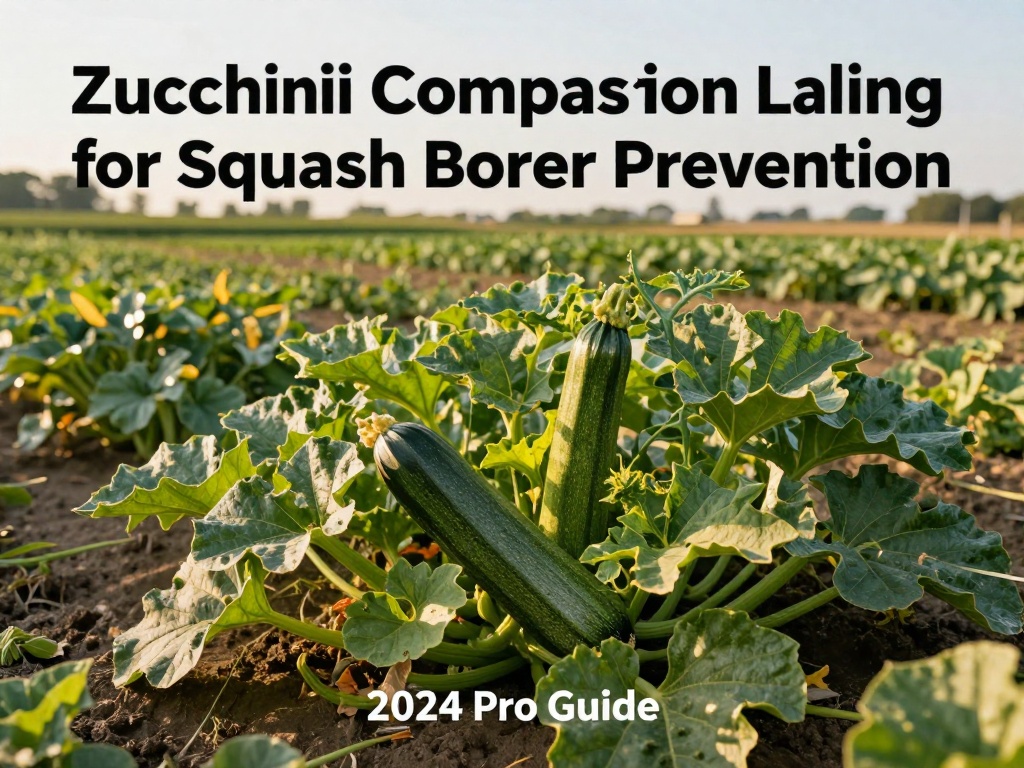
Zucchini Companion Planting for Squash Borer Prevention: 2024 Pro Guide
Zucchini is a high-yield summer garden staple, but squash borers destroy up to 80% of unprotected zucchini crops annually, per the University of Minnesota Extension. Zucchini companion planting for squash borer prevention is a low-cost, organic strategy that repels these destructive pests without synthetic inputs. This method leverages natural plant scents and properties that confuse or deter squash borers from laying eggs on your zucchini.
Why Squash Borers Target Your Zucchini Crop
What Are Squash Borers And How Do They Damage Plants?
Squash borers are the larval stage of a clearwing moth that lays eggs on the stems of cucurbit crops, including zucchini, pumpkins, and winter squash. The larvae hatch and bore into the plant’s stem to feed, cutting off nutrient flow and causing the entire plant to wilt and die within 2-3 weeks.
University of Minnesota Extension data confirms that squash borer infestations are the top cause of zucchini crop failure in home and small commercial gardens across the continental U.S.
Why Companion Planting Beats Synthetic Pesticides For Control
Many gardeners reach for synthetic pesticides to kill squash borers, but these chemicals rarely penetrate the stem to kill larvae once they are inside. They also harm beneficial pollinators that zucchini rely on to produce fruit.
Companion planting creates a long-term, pollinator-safe barrier that addresses infestations at the source: stopping moths from laying eggs in the first place.
Top Proven Companion Plants For Zucchini Squash Borer Prevention
1. Nasturtiums
Nasturtiums release a peppery, mustard-like scent that confuses squash borer moths, masking the sweet aroma of zucchini stems that moths use to locate host plants. A 2023 study from the Organic Trade Association found that nasturtium companion plantings reduced squash borer egg counts by 66% in test zucchini plots.
Plant nasturtiums within 12 inches of your zucchini mounds for maximum pest-repelling effect.
2. French And Mexican Marigolds
Marigolds produce alpha-terthienyl, a natural compound that repels a wide range of garden pests, including squash borer moths. They also kill harmful root nematodes that can weaken zucchini plants, making them more susceptible to borer damage.
Plant marigolds 2-3 weeks before you transplant zucchini to establish their root systems and scent barrier ahead of moth mating season.
3. Borage
Borage is a pollinator-friendly herb with cucumber-scented foliage that confuses squash borer moths, while also attracting predatory wasps that kill squash borer larvae. A 2022 trial from Ohio State University found that borage companion plantings reduced squash borer damage by 72% in small-scale zucchini farms.
4. Fast-Maturing Radishes
Interplanting fast-growing radishes between zucchini mounds creates a physical and scent barrier that discourages moths from landing on zucchini stems. These crops mature in 30 days, so you can harvest them before they compete with your zucchini for soil nutrients or sunlight.
Critical Companion Planting Mistakes To Avoid
Even the best plant pairings fail if you implement them incorrectly. Avoid these common mistakes to get the most out of your zucchini companion planting strategy.
Planting Companions Too Far Away
Squash borer moths have a strong sense of smell, so companion plants must be planted within 18 inches of zucchini to mask their scent effectively. Planting them at the edge of your garden won’t create a strong enough barrier to deter moths.
Concentrating Host Cucurbits In One Space
Avoid planting zucchini near other high-risk cucurbits like pumpkins or cucumbers that also attract squash borers, as this will concentrate pests in one area of your garden. This multiplies your risk of a total crop loss if moths bypass your companion barriers.
Frequently Asked Questions
How long does companion planting take to work for squash borer prevention?
Companion plants begin repelling squash borers as soon as they develop mature foliage, which typically takes 2-3 weeks after transplanting or sprouting from seed. For best results, plant all companions at the same time as your zucchini to establish the scent barrier early.
Can I use companion planting with other squash borer prevention methods?
Yes, companion planting works well with other organic strategies like wrapping zucchini stems in aluminum foil to block moths, or hand-picking eggs from leaves. Combining methods reduces infestation risk by over 90%, per University of Minnesota Extension data.
Are all recommended companion plants safe for pollinators?
All of the companion plants listed in this guide, including borage, marigolds, and nasturtiums, are pollinator-friendly and provide nectar for bees and butterflies. Avoid using any synthetic pesticides on your companion or zucchini plants to keep pollinators safe.
Can I use these companion pairings for other cucurbit crops?
Yes, the same pairings that work for zucchini also protect squash, pumpkins, and cucumbers from squash borer damage. You can use these strategies across all cucurbit plantings in your home or small commercial garden.
No comments