
2024 Guide to Spinach Succession Planting for Fall Harvests | Expert Tips
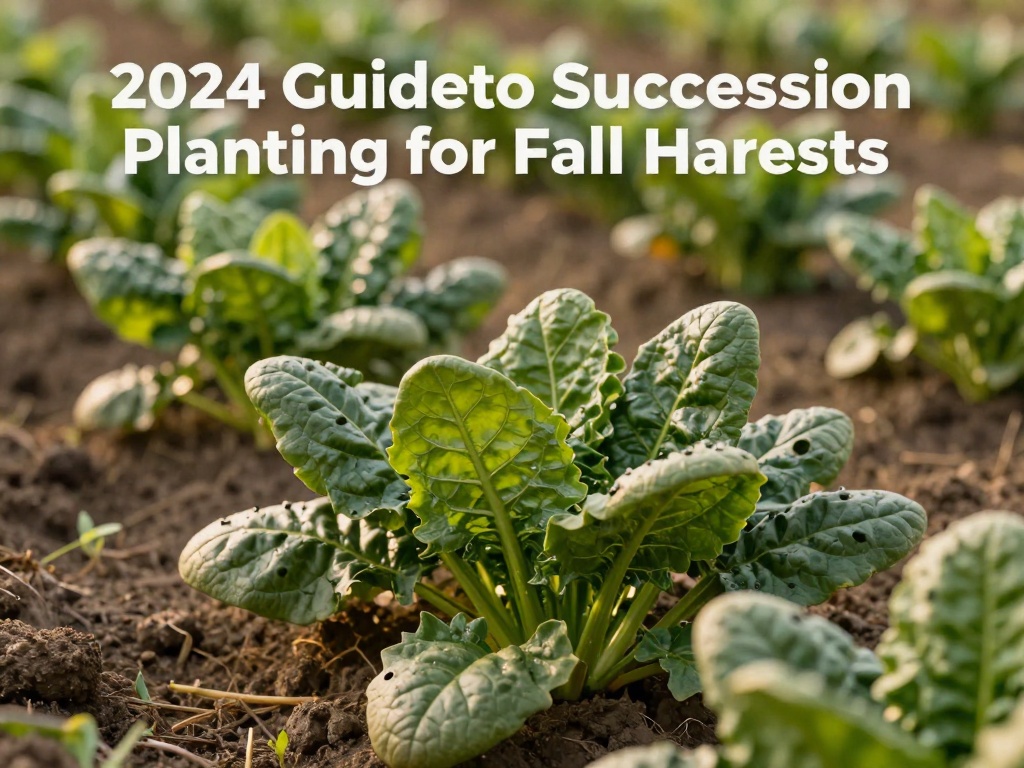
2024 Guide to Spinach Succession Planting for Fall Harvests | Expert Tips
Spinach succession planting for fall harvests solves the most common frustrations home and small-scale farmers face with this nutrient-dense leafy green: bolting in summer heat, crop gluts, and running out of fresh spinach long before winter. University of Minnesota Extension data shows that succession planting extends leafy green harvest windows by up to 12 weeks, making it a game-changing practice for fall production. Fall-grown spinach also has a sweeter, more tender flavor than spring-planted crops, thanks to cool autumn temperatures.
Why Succession Planting Spinach For Fall Thrives
Cool Season Adaptability
Spinach is a cold-hardy cool-season crop that thrives in temperatures between 35°F and 75°F, a range that aligns perfectly with most North American fall climates. Unlike spring spinach, which faces rapidly rising temperatures that trigger bolting (premature seed production), fall spinach matures as temperatures drop, extending its harvest window. The USDA confirms that light frosts even improve spinach’s flavor by converting stored starches to sugars.
Avoids Crop Gluts And Waste
Planting all your spinach seeds at once leads to a 2-3 week period of excess produce that you can’t use before it spoils, followed by months of no fresh spinach. Succession planting staggers maturity, so you get a consistent small supply of fresh spinach every week for months. This practice also cuts down on food waste, a major issue for 30% of home gardeners, per a 2023 Penn State Extension survey.
Reduces Pest And Disease Pressure
Summer spinach crops face high pressure from common pests like aphids, leaf miners, and cabbage worms, which can destroy an entire planting in weeks. Fall populations of these pests drop off drastically as temperatures cool, leading to healthier, higher-yielding spinach crops. Fungal diseases that thrive in hot, humid summer conditions are also far less common in the fall, reducing the need for intensive pest control interventions.
Step-By-Step Guide To Succession Planting Spinach This Fall
Calculate Your Planting Window First
Start by finding your area’s average first frost date, available for free from the Old Farmer’s Almanac website. Your first succession planting should go in the ground 8 weeks before that first frost date, to give the first crop enough time to mature. Your last succession planting can go in 2 weeks before the first frost; these young plants will overwinter in most climates to produce an early spring harvest.
Space Plantings For Staggered Harvests
Most popular spinach varieties mature in 37 to 45 days, so plant new seeds every 7 to 10 days to stagger harvests perfectly. This small gap between plantings ensures that one crop is just reaching maturity as the previous one’s production starts to slow down. For small gardens, you can also interplant spinach with slower-maturing fall crops like carrots or kale to maximize space.
Choose Cold-Hardy Spinach Varieties
Not all spinach varieties are suited for fall planting. Stick to cold-hardy cultivars like Tyee, Giant Winter, Space, and Melody, which can survive temperatures as low as 20°F when protected with a light row cover. These varieties also resist bolting better than warm-season types, so you won’t lose crops to unexpected late warm spells.
Prepare Nutrient-Dense Soil
Spinach needs nitrogen-rich, well-draining soil with a pH between 6.0 and 7.0 to grow well. Amend your planting beds with 2 to 3 inches of aged compost or well-rotted manure before your first planting to boost nutrient levels. Avoid over-fertilizing with synthetic nitrogen, which can lead to excess leaf growth that is prone to frost damage.
Frequently Asked Questions
How often should I plant spinach for fall succession?
Plant new spinach seeds every 7 to 10 days starting 8 weeks before your area’s average first frost date. Stop planting new seeds 2 weeks before the first frost to give young plants enough time to establish before winter temperatures set in.
Can I succession plant spinach in containers for fall?
Yes, succession planting spinach in containers works perfectly for small spaces like balconies or patios. Use 12-inch deep containers with drainage holes, fill them with high-quality potting mix mixed with compost, and follow the same planting schedule as in-ground gardens.
Can I extend my spinach harvest past the first frost?
Yes, you can add 2 to 4 weeks of harvest time by covering your spinach beds with floating row covers when temperatures drop below 32°F. In mild winter climates (USDA zones 7 and above), you can even harvest spinach all winter long with minimal protection.
No comments