
Oyster Shell Supplementation for Layer Hens: 2024 Guide to Stronger, Healthier Eggs
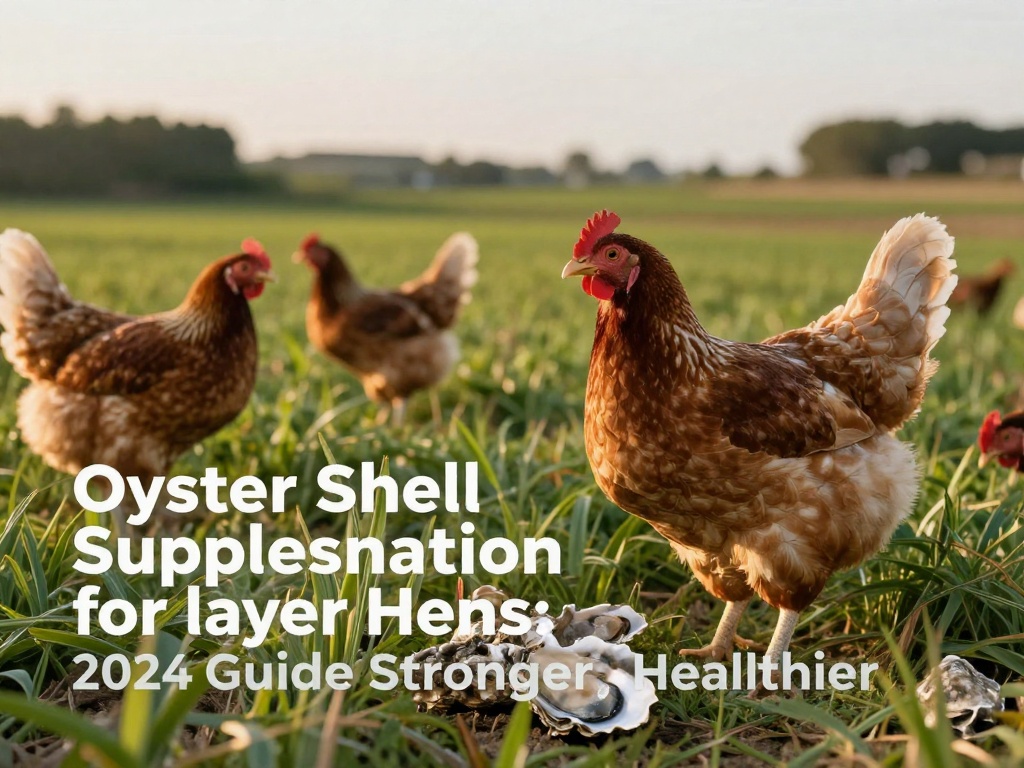
Oyster Shell Supplementation for Layer Hens: 2024 Guide to Stronger, Healthier Eggs
If you raise layer hens for consistent, high-quality egg production, oyster shell supplementation for layer hens is a non-negotiable addition to your flock care routine. Layer hens require 4-5 times more calcium than meat birds to produce strong, crack-resistant eggshells, and most standard poultry feeds fail to meet this demand, per the University of Minnesota Extension. Without enough calcium, hens may develop weak eggshells, egg-binding, or even osteoporosis that cuts their productive lifespan short.
What Makes Oyster Shell the Ideal Calcium Source for Layer Hens?
Unlike generic calcium supplements like limestone, oyster shell is a natural, slow-release source of calcium that hens can metabolize overnight, when most eggshell formation occurs. The University of Kentucky’s College of Agriculture notes that oyster shell’s coarse texture means it stays in a hen’s digestive system for 12-18 hours, delivering a steady stream of calcium rather than a single spike.
Key Nutritional Benefits Beyond Core Calcium
Oyster shell also contains trace minerals like magnesium, phosphorus, and collagen that support overall skeletal health in hens, reducing the risk of leg weakness and fractures in mature flocks. These extra nutrients make it a more well-rounded supplement than isolated calcium additives for long-term flock health.
How to Administer Oyster Shell to Your Layer Flock Correctly
Offer Free-Choice, Never Mixed Into Regular Feed
The most effective way to provide oyster shell supplementation is to offer it as a free-choice supplement in separate feeders, rather than mixing it into your hens’ regular feed. This allows individual hens to self-regulate their calcium intake, as a hen producing an egg that day will eat 2-3 times more oyster shell than a hen not in active lay, per data from the USDA’s Agricultural Research Service.
How Much Oyster Shell Will Your Flock Consume?
On average, a single laying hen will eat around 1 pound of oyster shell every 8-10 months, meaning a small flock of 12 hens will consume roughly 1.5 pounds of oyster shell per month. Store oyster shell in a cool, dry place to prevent mold growth, and refresh the feeder every 2-3 days to remove any dirt or debris that accumulates.
Common Mistakes to Avoid With Oyster Shell Supplementation
Many new flock owners make simple mistakes that negate the benefits of oyster shell supplementation, putting their hens at risk of health issues and lower egg quality. Some of the most common errors include:
- Using fine-ground oyster shell that dissolves too quickly, failing to deliver overnight calcium for consistent eggshell formation
- Restricting access to oyster shell for molting hens, which need extra calcium to rebuild their bones and prepare for their next lay cycle
- Offering oyster shell to non-laying birds like roosters or pullets under 18 weeks old, which can develop kidney damage from excess calcium intake
Adding oyster shell to your layer hen care routine is a low-cost, high-impact way to boost your flock’s health and egg quality. A 50-pound bag of oyster shell costs less than $30 on average and lasts most small flock owners 2+ years, making it one of the best investments for your poultry operation.
Frequently Asked Questions About Oyster Shell Supplementation
Can I use crushed eggshells instead of oyster shell for my layer hens?
Crushed eggshells can work as a temporary calcium source, but they are not a long-term replacement for oyster shell. Eggshells break down too quickly in a hen’s digestive system, and improperly sterilized eggshells can spread harmful bacteria like salmonella to your entire flock.
When should I start giving oyster shell to my young layer hens?
Start offering oyster shell to pullets around 18 weeks of age, or 2 weeks before you expect them to lay their first egg. This gives their bodies time to adjust to extra calcium intake before they begin producing eggs, preventing weak first eggs and dangerous egg-binding.
How do I know if my hens are getting enough calcium from oyster shell supplementation?
The clearest sign of sufficient calcium intake is strong, crack-resistant eggshells that are uniformly thick. If you notice thin, soft, or misshapen eggshells, first check your oyster shell feeder to ensure it is full and accessible, then test for any underlying health issues that may impact calcium absorption.
No comments