
Straw Mulch for Garlic Weed Suppression: 2024 Proven Guide to Boost Yields
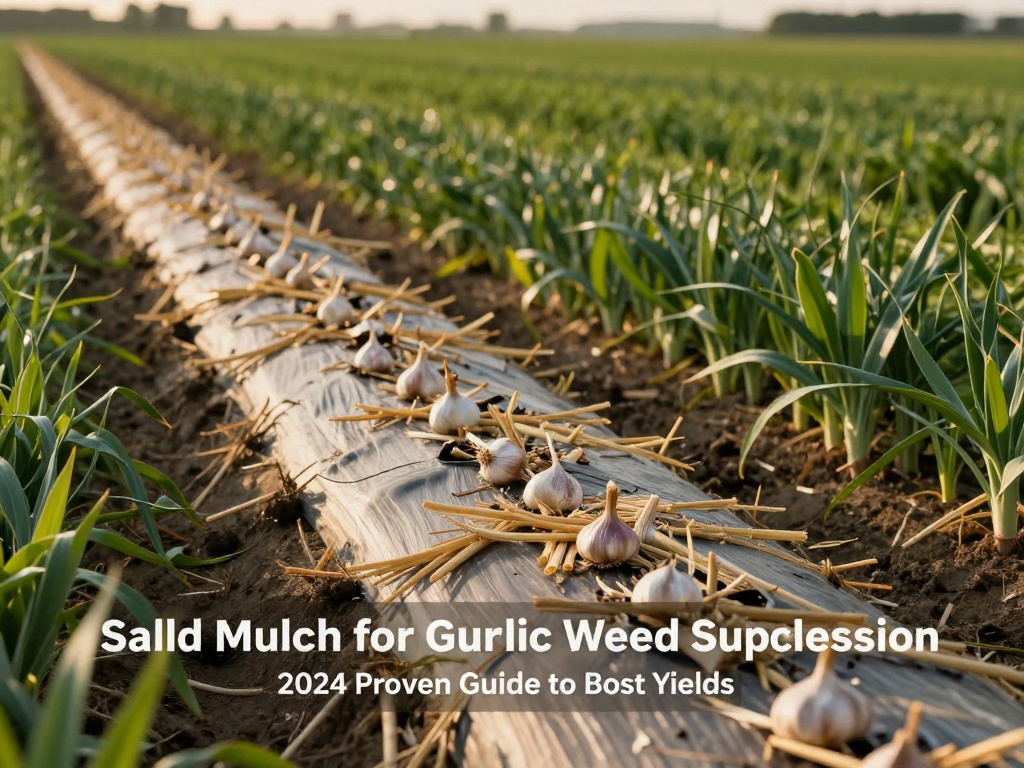
Straw Mulch for Garlic Weed Suppression: 2024 Proven Guide to Boost Yields
Straw mulch for garlic weed suppression is one of the most effective organic strategies for home gardeners and commercial garlic growers alike. A 2023 study from the University of Illinois Extension found that straw mulch reduced garlic weed pressure by 85% compared to un-mulched garlic beds, eliminating the need for costly, environmentally harmful herbicides. This low-cost method also delivers secondary benefits that improve overall garlic health and harvest size.
Why Straw Mulch Outperforms Other Weed Control Methods for Garlic
Blocks Sunlight to Inhibit Weed Germination
Most common garlic weeds, like chickweed, purslane, and annual bluegrass, require full sunlight to germinate and establish. A 2-3 inch layer of straw mulch blocks 90% of incoming sunlight, preventing weed seeds from sprouting before they can compete with garlic for nutrients. Unlike plastic mulch, straw is porous, so it doesn’t trap excess moisture that can lead to fungal rot in garlic bulbs.
Adds Nutrients to Soil as It Decomposes
Straw breaks down slowly over the 8-9 month garlic growing cycle, releasing carbon and small amounts of nitrogen that feed soil microbes. This decomposition improves soil structure, which helps garlic roots expand and access water more efficiently. Unlike synthetic weed barriers, straw adds long-term value to your soil rather than creating plastic waste that requires disposal after harvest.
Step-by-Step Guide to Apply Straw Mulch for Garlic
Time Your Application Correctly
The best time to apply straw mulch to garlic is 2-3 weeks after planting fall garlic cloves, once the first 2-3 inch green shoots emerge. If you plant spring garlic, apply mulch immediately after shoots break the soil surface. Applying mulch too early can delay shoot emergence, while waiting too long gives weeds a head start to establish.
Prepare Your Beds Before Mulching
Before laying straw, remove any existing large weeds from your garlic beds to prevent them from growing through the mulch layer. Water the bed thoroughly to moisten the top 6 inches of soil, so the mulch locks in moisture right away. Avoid using hay for mulch, as it often contains viable weed seeds that can worsen your weed problem.
Lay the Correct Thickness of Straw
Spread straw evenly to a depth of 2-3 inches across the entire bed, leaving 1 inch of space around each garlic shoot to prevent rot. A 50-pound bale of wheat straw will cover roughly 100 square feet of garlic beds, making this method extremely cost-effective for small and large operations. Replace any straw that washes away during heavy winter rains to maintain consistent weed suppression.
Additional Benefits of Straw Mulch for Garlic Beyond Weed Control
Beyond suppressing weeds, straw mulch regulates soil temperature, protecting garlic cloves from extreme winter freezes and summer heat spikes. A 2022 study from Oregon State University found that mulched garlic beds had 15% larger average bulb size than un-mulched beds, due to reduced competition and consistent soil moisture. Straw also prevents soil erosion, keeping nutrient-rich topsoil in place during heavy storms.
Frequently Asked Questions
Can I use any type of straw for garlic mulch?
Wheat, oat, and barley straw are all safe and effective for garlic mulch. Avoid hay, which often contains weed seeds, and avoid straw treated with persistent herbicides, which can harm garlic and other garden plants. Always source straw from a reputable local farm to confirm it is free of harmful herbicide residues.
Do I need to remove straw mulch before harvesting garlic?
You do not need to remove all straw before harvesting garlic. Simply pull back the straw layer to access the bulbs when they are ready to dig up, typically 6-8 months after planting. Any remaining straw can be tilled back into the soil after harvest to add organic matter for future crops.
Will straw mulch attract pests to my garlic beds?
When applied correctly, straw mulch rarely attracts significant pest problems. To reduce the risk of rodents nesting in the straw, avoid making the layer thicker than 3 inches, and skip adding extra straw in late spring when rodent activity peaks. If you notice pest activity, pull back the mulch temporarily to disrupt nests and prevent long-term infestations.
No comments