
Onion Rotation for Root Maggot Prevention: 2024 Proven Small Farm Guide
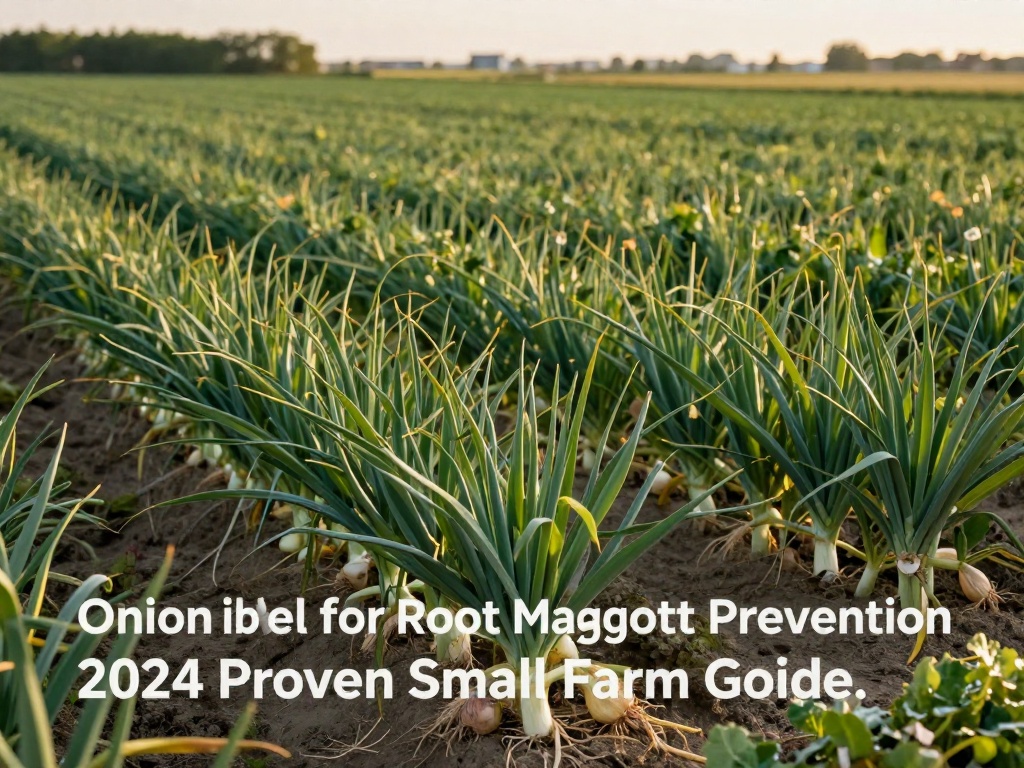
Onion Rotation for Root Maggot Prevention: 2024 Proven Small Farm Guide
Root maggots are one of the most destructive pests for onion growers, causing up to 80% yield loss in unmanaged fields, per University of Minnesota Extension data. Onion rotation for root maggot prevention is a low-cost, organic strategy that disrupts the pest’s life cycle, eliminating the need for excessive synthetic insecticides. This guide breaks down how to design a rotation plan that works for small and mid-sized commercial farms alike.
Why Root Maggots Thrive Without Proper Crop Rotation
The Root Maggot Life Cycle That Rotation Disrupts
Onion root maggots (Delia antiqua) overwinter as pupae in the top 2 inches of soil, emerging as adult flies in early spring. Females lay eggs at the base of allium plants—onions, garlic, leeks, and scallions— and hatching larvae burrow into roots to feed, killing young seedlings and rotting mature bulbs. Cornell Extension research confirms these pests can only survive if a suitable allium host is present to feed on each growing season.
How Continuous Onion Planting Fuels Infestations
Planting onions in the same field year after year creates a permanent, food-rich habitat for root maggots. Each growing season, more pupae survive to add to the soil’s pest population. By the third consecutive year of allium planting, 60% of onion bulbs can show root maggot damage, per Penn State Extension’s 2023 vegetable pest report. Rotation starves out these overwintering populations before they can reach damaging levels.
Designing an Effective Onion Rotation Plan
Follow the 3-Year Minimum Rotation Rule
Onion root maggot pupae cannot survive longer than 2 years without a host plant to feed on. That means you must avoid planting any allium crop in the same field for at least 3 full growing seasons to eliminate all overwintering pests. For fields with a history of severe root maggot infestations, extend this rotation to 4 years for added protection.
Best Non-Host Crops to Pair With Onions
Choose non-host crops that do not support onion root maggot larvae to fill the 2 years between onion plantings. Top options include:
- Grass crops: corn, winter wheat, oats, and barley
- Solanaceous crops: tomatoes, peppers, and eggplants
- Cucurbit crops: squash, melons, cucumbers, and pumpkins
- Legume cover crops: clover, soybeans, and alfalfa
Boost Rotation With Biofumigant Cover Crops
For high-risk fields, add a mustard or radish cover crop to your rotation cycle. USDA research shows that these biofumigant crops release natural compounds that reduce root maggot pupae survival by 42% when tilled into the soil. This pairing cuts infestation risk even further, making rotation 90% effective at preventing root maggot damage in most regions.
Additional Tips to Maximize Rotation Efficacy
Avoid Spreading Infested Soil
Clean all farm equipment, tillers, and harvest tools after working in a field with a history of root maggots. Soil stuck to equipment can carry pupae to clean fields, undoing the benefits of your rotation plan. Never move soil or transplants from infested fields to uninfested areas.
Pair Rotation With Low-Labor Monitoring
Set up yellow sticky traps in onion fields early in the growing season to track adult root maggot fly activity. This lets you spot any small remaining populations before they can lay eggs, giving you time to add row covers or organic insecticidal drenches if needed.
Frequently Asked Questions
Can I plant garlic after onions in my rotation plan?
No. Garlic is part of the allium family, the same host group as onions, so it will support root maggot larvae survival. You must avoid all allium crops (garlic, leeks, scallions, shallots) for the full 3-year rotation period to starve overwintering pupae.
How much yield can I save with onion rotation for root maggot prevention?
University of Illinois 2023 research found that proper 3-year rotation reduces root maggot damage by 65-80%, translating to equivalent yield gains for most small-scale onion farms. That adds up to an average of $1,200 in additional revenue per acre for mid-sized operations.
Do I need synthetic insecticides if I follow a strict rotation plan?
In most low to moderate infestation risk areas, no. Rotation alone keeps root maggot populations below the economic threshold that requires intervention. For high-risk northern regions where root maggots are widespread, you can pair rotation with low-toxicity organic insecticides or floating row covers for added protection.
No comments