
2024 Complete Guide to Apple Rootstock Selection for Backyard Orchards
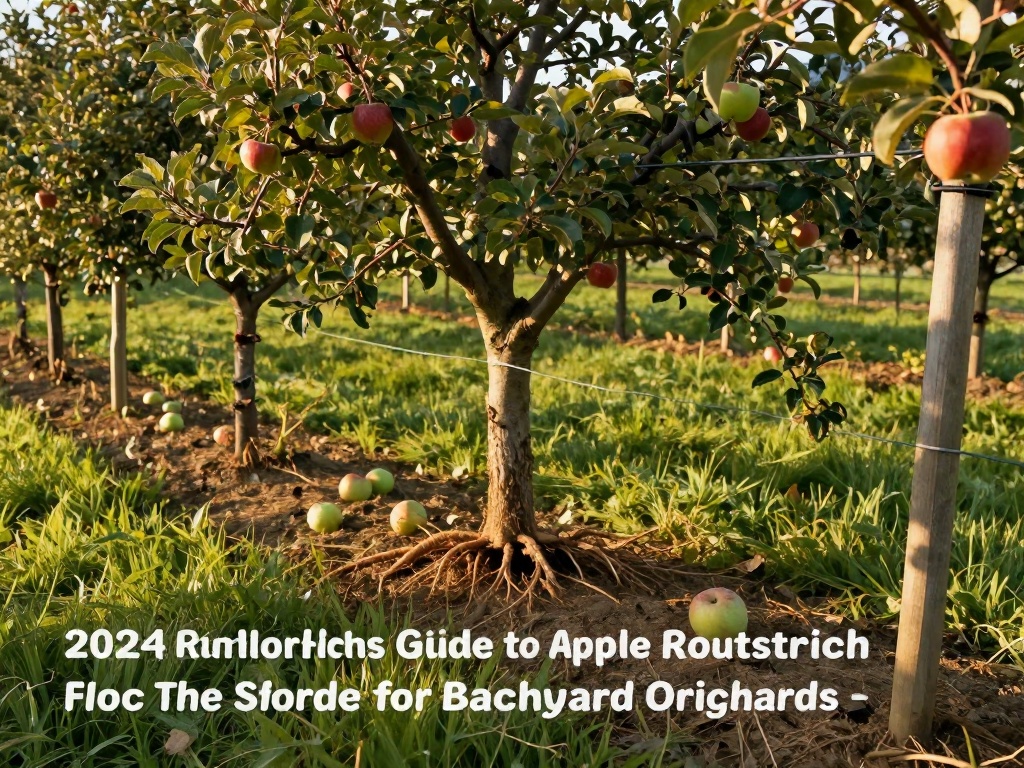
2024 Complete Guide to Apple Rootstock Selection for Backyard Orchards
Apple rootstock selection for backyard orchards is one of the most impactful decisions you’ll make when planting your home fruit growing space. Unlike the scion, which determines the type of apple you grow, rootstock controls tree size, disease resistance, cold hardiness, and even how quickly your tree produces fruit. For backyard growers with limited space, picking the wrong rootstock can lead to an overgrown, unmanageable tree that never delivers the harvest you expected.
Why Rootstock Choice Matters More Than You Think
Tree Size, The Top Concern For Backyard Growers
Rootstocks are categorized by their mature tree size, a metric standardized by university extension programs across the U.S. According to the USDA National Agroforestry Center, dwarf rootstocks produce trees that reach 8-10 feet tall at maturity, while semi-dwarf varieties hit 12-18 feet, and standard rootstocks grow to 25-30 feet. This size control is non-negotiable for most backyards, where large standard trees can block sunlight, damage foundations, or outcompete other garden plants.
Disease & Pest Resistance
Another core function of rootstock is protecting your tree from common, destructive soil and tree diseases. Cornell University’s 2023 Commercial and Home Fruit Tree Rootstock Guide ranks rootstocks by their resistance to fire blight, Phytophthora root rot, and apple replant disease, three of the most common threats to home apple trees. For example, the popular G.41 rootstock carries natural resistance to all three, making it a low-maintenance pick for new growers.
Cold Hardiness For Regional Adaptation
Rootstocks also determine how well your apple tree survives extreme temperatures. Growers in USDA hardiness zones 3 and 4, which see winter lows of -30 to -40 degrees Fahrenheit, can rely on rootstocks like B.9, which tolerates frigid conditions far better than many warm-climate rootstocks. Zone 8 and 9 growers, by contrast, should prioritize heat-tolerant rootstocks like G.214 to avoid stress during long summer heatwaves.
Top Rootstocks For Common Backyard Orchard Needs
Dwarf Rootstocks For Small Yards
If you have less than 500 square feet of planting space, a dwarf rootstock is your best bet. M.27, an extreme dwarf rootstock, produces 6-8 foot trees perfect for patio planters or small fence lines. G.41, another leading dwarf option, grows to 8-10 feet and produces its first harvest just 2-3 years after planting, much faster than standard rootstocks that take 5-7 years to bear fruit.
Semi-Dwarf Rootstocks For Moderate Harvests
For backyard growers with enough space to support 15-20 foot trees, semi-dwarf rootstocks deliver larger harvests while remaining easy to prune and harvest. M.7 is a widely available semi-dwarf rootstock that tolerates heavy clay soil, a common issue for many residential properties. G.214, another top semi-dwarf pick, resists apple replant disease, making it ideal if you are planting in a spot that previously hosted an old fruit tree.
Standard Rootstocks For Large Properties
If you have an acre or more of space, standard rootstocks produce long-lived, hardy trees that can support heavy harvests for 50+ years. M.111 is the most popular standard rootstock, tolerating poor soil and drought while growing to 25-30 feet at maturity. These large trees also double as shade trees, making them a multi-functional addition to large rural properties.
How To Narrow Down Your Rootstock Choice
Before you purchase a pre-grafted apple tree or source rootstock to graft your own, use this simple checklist to pick the right option for your space:
- Measure your planting area and leave 2-3 feet of clearance around the tree’s expected mature width to allow for pruning and harvest access.
- Confirm your USDA hardiness zone and match rootstock cold tolerance to your region’s lowest annual temperature to avoid winter damage.
- Test your soil’s drainage to pick rootstocks suited to your conditions; avoid waterlogging-prone rootstocks if you have heavy clay soil that drains slowly.
- Prioritize disease resistance if you have a history of fire blight or root rot in trees on your property.
Frequently Asked Questions
Can I plant multiple apple trees on dwarf rootstocks in a small backyard?
Yes, dwarf apple rootstocks only require 10-12 feet of spacing between trees, so you can easily fit 3-4 dwarf apple trees in a 40x20 foot backyard. You can even plant them along a fence line to create a productive, edible privacy screen.
Do most nurseries sell pre-grafted apple trees with pre-chosen rootstocks?
Most commercial nurseries sell pre-grafted apple trees, meaning they pair popular apple varieties like Honeycrisp or Gala with rootstocks suited to that scion’s needs. Always ask the nursery what rootstock your tree uses to confirm it fits your yard’s size and growing conditions.
Is it a bad idea to grow apple rootstocks from seed for my backyard orchard?
Seed-grown rootstocks produce unpredictable results, with variable tree sizes, disease resistance, and cold hardiness. This makes them a high-risk choice for backyard growers, who rely on the consistent, standardized performance of commercially grafted rootstocks to deliver a reliable harvest.
No comments