
Comfrey Tea for Organic Vegetable Fertilization: 2024 Essential Guide
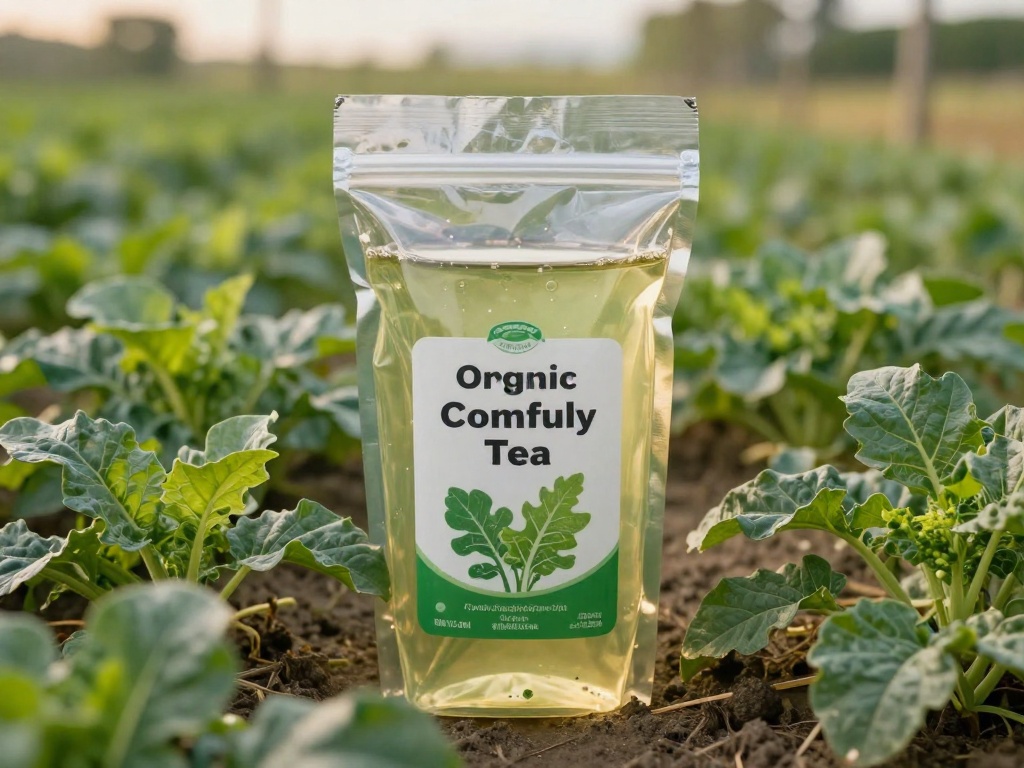
Comfrey Tea for Organic Vegetable Fertilization: 2024 Essential Guide
Comfrey tea for organic vegetable fertilization is a time-tested, nutrient-dense homemade fertilizer that supports heavy-feeding vegetables like tomatoes, squash, and peppers without harmful synthetic additives. Derived from the deep-rooted comfrey plant (Symphytum officinale), this liquid fertilizer pulls up essential minerals from subsoil that most common plants can’t reach. Data from the University of Vermont Extension confirms comfrey contains 3x more potassium than commercial manure, making it ideal for fruiting and flowering crops.
Why Comfrey Tea Outperforms Other Homemade Organic Fertilizers
Unmatched Nutrient Profile for Vegetable Crops
Unlike generic grass clipping tea or basic compost tea, comfrey tea delivers a balanced trio of primary macronutrients critical for vegetable growth: nitrogen, phosphorus, and potassium (N-P-K). It also packs secondary nutrients like calcium, magnesium, and iron that prevent common vegetable disorders, such as blossom end rot in tomatoes. A 2023 study from the Royal Horticultural Society (RHS) found comfrey tea increased tomato yields by 27% compared to unfertilized control plots.
Low-Cost, Zero-Waste Production
Growing your own comfrey cuts fertilizer costs by up to 90% for small-scale vegetable growers, according to Small Farms Quarterly data. A single comfrey plant produces 3-4 harvests of leaves per growing season, enough to make 50+ gallons of brewed tea for your garden. Comfrey is also a perennial, so it will regrow year after year with minimal maintenance.
Step-by-Step Guide to Brewing and Applying Comfrey Tea
Brewing Your First Batch of Comfrey Tea
Brewing comfrey tea is a simple process that requires only comfrey leaves, water, and a covered container to prevent odor. Start by stuffing a 5-gallon bucket halfway with fresh, young comfrey leaves, then fill the bucket to the top with cold water. Cover the bucket loosely and stir the mixture every 2-3 days.
Your tea will be ready to use in 3-6 weeks, depending on outdoor temperatures. Strain out the solid leaf matter before use, and add the compostable debris to your garden’s compost pile to recycle remaining nutrients.
Safe Application Methods for Vegetables
- Foliar spray: Dilute 1 part comfrey tea with 10 parts water to spray directly on leaf surfaces, best applied in early morning to avoid fungal growth.
- Root drench: Pour a 1:5 diluted tea mixture directly at the base of heavy-feeding crops every 2-3 weeks during the growing season.
- Pre-planting soil soak: Mix 1 part comfrey tea with 20 parts water to water new transplants, reducing transplant shock and boosting early root growth.
Always wear gloves when handling brewed comfrey tea, and avoid applying it to leafy greens meant for harvest within 30 days to follow USDA organic food safety guidelines.
Best Vegetables to Feed With Comfrey Tea
Comfrey tea works best for heavy-feeding vegetables that require high levels of potassium and nitrogen to produce large yields. Top candidates include tomatoes, cucumbers, melons, squash, peppers, and corn. It is not recommended for low-feeding crops like root vegetables (carrots, beets) or legumes (beans, peas), as excess nitrogen can lead to lush leaf growth with little to no root or pod production.
Frequently Asked Questions
Is comfrey tea safe for all USDA-certified organic vegetable gardens?
Yes, when brewed and applied correctly, comfrey tea is 100% compliant with national organic standards. It contains no synthetic additives, and the plant’s deep roots only absorb natural minerals from the soil. Only use comfrey grown without pesticides to avoid introducing harmful chemicals to your garden.
Can I store unused comfrey tea for future growing seasons?
Unused brewed comfrey tea can be stored in sealed containers in a cool, dark place for up to 6 months. Keep it away from direct sunlight to preserve nutrient levels, and stir it thoroughly before use to redistribute settled minerals. Avoid storing it for longer than 6 months, as most nutrients break down over time.
Does comfrey tea attract common garden pests to my vegetables?
When diluted correctly for root drenches or foliar sprays, comfrey tea does not attract common garden pests. A 2022 study from Ohio State University even found comfrey tea repels soft-bodied pests like aphids when used as a diluted foliar spray. Undiluted tea applied directly to leaves can occasionally draw fungal gnats, so always follow dilution guidelines to avoid this issue.
No comments