
Clover Underplanting for Orchard Soil Health: 2024 Guide to Boost Yields
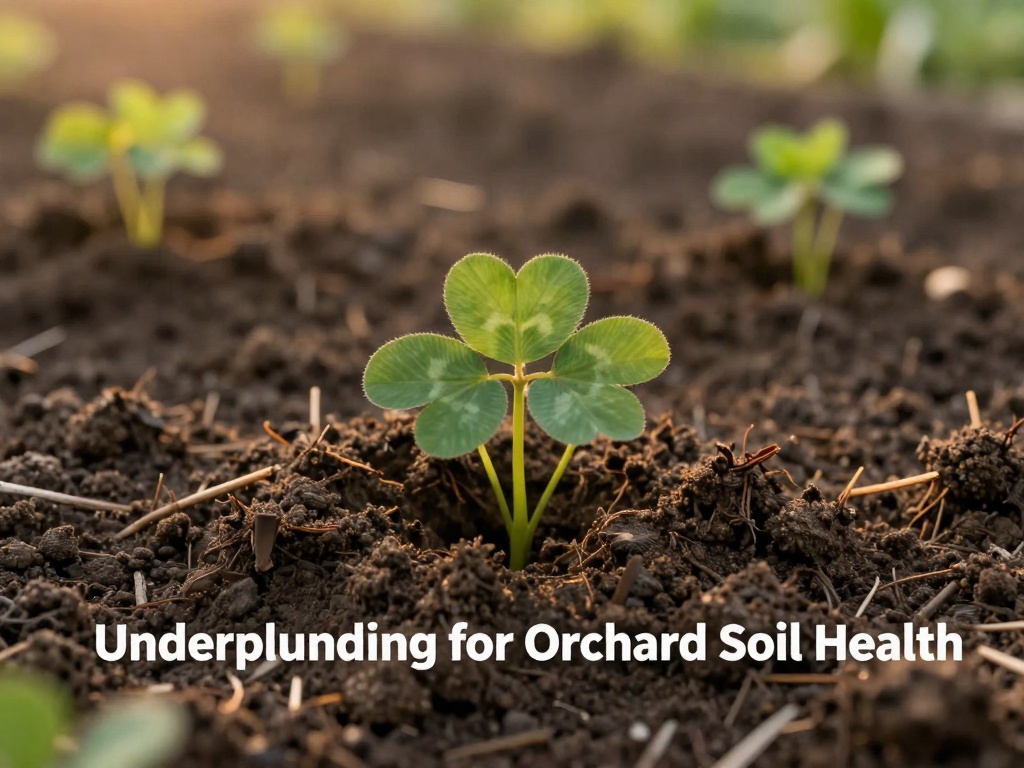
Clover Underplanting for Orchard Soil Health: 2024 Guide to Boost Yields
Clover underplanting for orchard soil health is a regenerative farming practice that’s gained traction among commercial and small-scale orchardists alike, per 2023 research from the University of California Agriculture and Natural Resources (UC ANR). This practice involves sowing clover species between orchard tree rows and under canopies to replace bare soil or conventional turf. It addresses multiple common orchard pain points, from nutrient depletion to weed pressure, without relying on synthetic inputs.
Core Benefits of Clover Underplanting for Orchards
Boosts Natural Soil Fertility
White clover, the most common species used for underplanting, is a legume that fixes atmospheric nitrogen into a form trees can easily access. UC ANR data shows clover underplanting can reduce nitrogen fertilizer needs by 40% for mature apple and peach orchards. That excess nitrogen supports leaf growth, fruit development, and overall tree resilience to pests and disease.
Reduces Erosion and Moisture Loss
Clover’s dense, low-growing root system holds topsoil in place, preventing runoff during heavy rain events. A 2024 study from Penn State Extension found clover-underplanted orchards retained 35% more soil moisture than bare-soil orchards during summer droughts. That reduces irrigation needs and protects trees from water stress during peak heat, when fruit development is most critical.
Suppresses Weeds and Feeds Pollinators
Clover’s thick canopy blocks sunlight from reaching weed seeds, cutting the need for herbicides by up to 60% per Oregon State University research. It also produces nectar-rich flowers that attract pollinators like native bees, which boost cross-pollination for fruit-bearing trees. This leads to larger, more consistent annual harvests for orchardists.
How to Implement Clover Underplanting Correctly
Choose the Right Clover Species
Not all clovers work for every climate or orchard age. Perennial white clover (Trifolium repens) is ideal for temperate climates with mild winters, while annual crimson clover (Trifolium incarnatum) works well as a winter cover in warmer southern regions. Avoid aggressive species like red clover that can compete with young trees for limited resources.
Time Planting for Successful Establishment
The best time to sow clover is in early spring, after the last frost, or early fall, six weeks before the first expected frost. This gives clover seeds time to root and establish before extreme temperatures set in. Prepare the soil by lightly tilling the top 1-2 inches to ensure good seed-to-soil contact, which improves germination rates by up to 70%.
Manage Growth to Avoid Tree Competition
Mature clover rarely competes with established orchard trees, but young trees (under 3 years old) need a 3-foot bare soil ring around their trunks to prevent resource competition. Mow clover to a height of 3-4 inches twice a year to keep it from climbing tree trunks or becoming too dense, which can trap moisture against bark and cause rot.
Common Mistakes to Avoid
One of the biggest mistakes new orchardists make is overwatering clover, which can lead to root rot in both clover and fruit trees. Clover is drought-tolerant once established, so it only needs supplemental water during extended dry spells of two weeks or more. Another common error is using the wrong seeding rate: most experts recommend 2 pounds of clover seed per acre, enough to form a dense canopy without overcrowding.
Frequently Asked Questions
Is clover underplanting safe for all fruit tree varieties?
Yes, clover underplanting is safe for all common fruit tree varieties, including apple, peach, pear, and citrus, as long as you maintain a bare soil ring around young trees to prevent competition. Mature trees have deep enough root systems to coexist with clover’s shallow roots without issue.
How long does clover underplanting last before needing reseeding?
Perennial white clover can last 5-7 years with proper mowing and maintenance, while annual crimson clover needs to be reseeded every growing season. Most orchardists reseed perennial clover every 6 years to maintain its density and nitrogen-fixing benefits for long-term soil health.
Can I mix clover with other cover crops for orchard underplanting?
Yes, many orchardists mix clover with low-growing grasses like fine fescue to create a more resilient ground cover. This mix boosts erosion control even further while retaining clover’s nitrogen-fixing benefits. Avoid mixing clover with tall, aggressive cover crops that can block sunlight from low-hanging tree canopies.
No comments