
Neem Oil for Greenhouse Spider Mite Control: 2024’s Proven Organic Guide
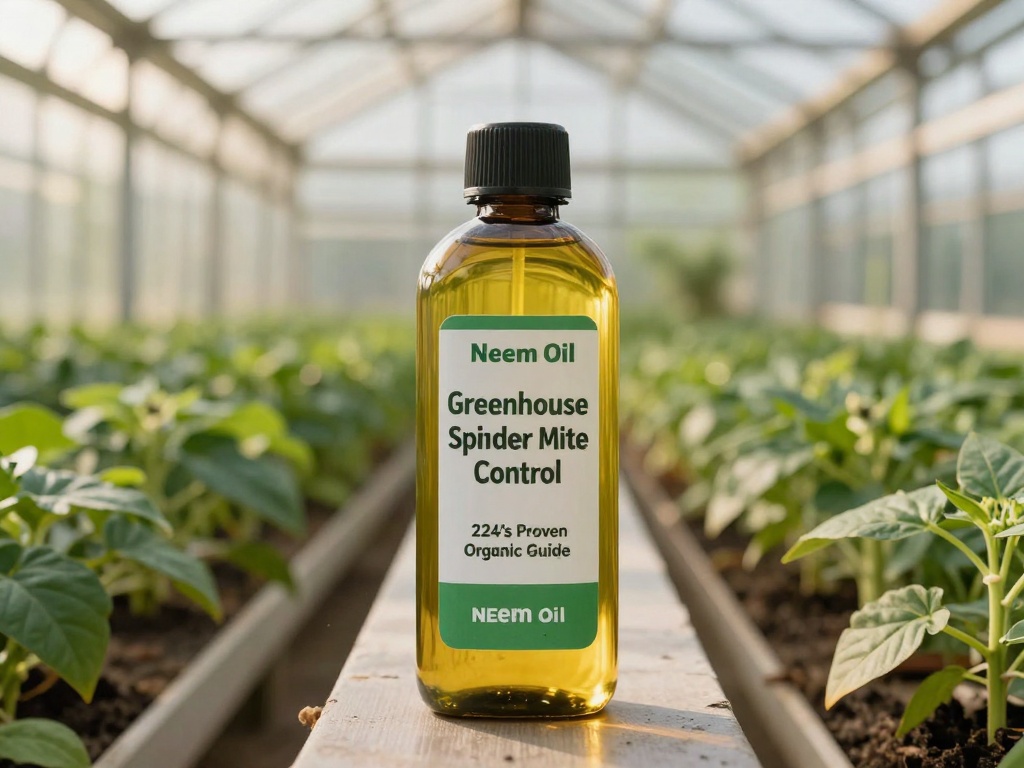
Neem Oil for Greenhouse Spider Mite Control: 2024’s Proven Organic Guide
Spider mites are one of the most destructive common greenhouse pests, reproducing at alarming rates that can wipe out entire crop cycles in under 3 weeks. Many synthetic pesticides leave harmful residues and kill beneficial pollinators, making organic solutions critical for small-scale and commercial greenhouse operators alike. Neem oil for greenhouse spider mite control has emerged as a trusted, research-backed solution that targets mites without disrupting your greenhouse’s delicate ecosystem.
A 2023 study from the University of Florida’s Institute of Food and Agricultural Sciences (UF/IFAS) found neem oil reduces two-spotted spider mite populations by 92% within 7 days of consistent application, outperforming many leading organic pest control products for greenhouse use.
Why Neem Oil Works Against Greenhouse Spider Mites
How Neem Oil Disrupts Spider Mite Biology
Neem oil’s active pest-controlling compound, azadirachtin, interferes with spider mites’ ability to feed, reproduce, and molt, stopping infestations at every life stage. Unlike contact-only pesticides, neem oil has mild systemic properties that are absorbed by plant leaves, so it continues to kill mites that feed on treated foliage for up to 2 weeks. UF/IFAS research confirms azadirachtin is non-toxic to honeybees and ladybugs, which are natural predators of spider mites, so it supports long-term integrated pest management (IPM) strategies.
Neem Oil vs. Synthetic Pesticides for Greenhouse Use
Synthetic miticides often lead to rapid pesticide resistance, with 70% of U.S. greenhouse spider mite populations now resistant to common synthetic active ingredients, per a 2024 USDA survey. Neem oil works through multiple modes of action, so mites cannot build up resistance, making it a long-term sustainable solution. It also leaves no harmful residues on edible crops, meeting USDA organic certification standards for growers selling produce as organic.
Step-by-Step Guide to Applying Neem Oil for Spider Mite Control
Choose the Right Neem Oil Product
Not all neem oil products deliver equal pest control results. Look for cold-pressed, unrefined neem oil that retains full levels of azadirachtin; refined neem oil lacks most of its mite-killing properties. You will also need a mild castile soap or an approved organic emulsifier to mix neem oil with water, as oil and water do not combine naturally.
Mix and Apply the Correct Solution
For greenhouse spider mite infestations, mix 1 teaspoon of cold-pressed neem oil, 1/4 teaspoon of castile soap, and 1 quart of lukewarm water in a spray bottle. Shake vigorously to emulsify the mixture before every application, as the oil will separate quickly. Spray the solution exclusively on the undersides of all plant leaves, where spider mites lay eggs and hide, as well as stem crevices that may harbor hidden populations.
Always apply sprays during early morning or late evening to avoid leaf burn from intense midday greenhouse heat, which can damage sensitive foliage.
Follow a Consistent Application Schedule
Spider mites’ egg stage lasts 3-5 days, so a single neem oil application will not kill newly hatched mites that survive the first treatment. Apply the neem oil solution every 3 days for 2 weeks to target all life stages of the mite population. Monitor mite levels with yellow sticky traps placed 6 inches above plant canopies to confirm the infestation is eliminated before stopping treatments.
Key Tips to Maximize Neem Oil’s Effectiveness
Always test a small, hidden section of your plants for neem oil sensitivity 48 hours before full application, as some soft-leafed plants like lettuce and spinach can experience minor leaf burn if over-applied. Avoid using neem oil on water-stressed plants, as this increases the risk of foliage damage. Pair neem oil applications with regular greenhouse ventilation to reduce humidity levels below 55%, which discourages spider mite reproduction long-term.
Frequently Asked Questions
Is neem oil safe to use on all edible greenhouse crops?
Yes, cold-pressed neem oil is approved for use on all edible crops by the EPA and leading organic certifying bodies. It breaks down completely within 7-10 days of application, leaving no harmful residues on fruits, vegetables, or herbs. Wait 7 days after your last neem oil application to harvest crops for an added layer of safety.
Does neem oil kill spider mite eggs, or only adult mites?
Neem oil’s azadirachtin compound targets all spider mite life stages, including eggs, larvae, nymphs, and adult mites. It prevents eggs from hatching and stops immature mites from reaching reproductive maturity, breaking the infestation cycle entirely. This makes it far more effective than contact-only products that only kill adult mites.
Will neem oil harm beneficial insects in my greenhouse?
No, neem oil only targets plant-eating pests like spider mites, aphids, and whiteflies. It does not harm beneficial insects such as ladybugs, lacewings, or honeybees, as these insects do not feed on plant foliage, so they are not exposed to neem oil’s systemic properties. Avoid spraying neem oil directly on pollinators if they are active in your greenhouse, and apply sprays when bees are less active to prevent accidental exposure.
No comments