
10 Native Plants for a pollinator Garden That Attracts Bees & Butterflies
10 Native Plants for a Pollinator Garden That Attracts Bees & Butterflies
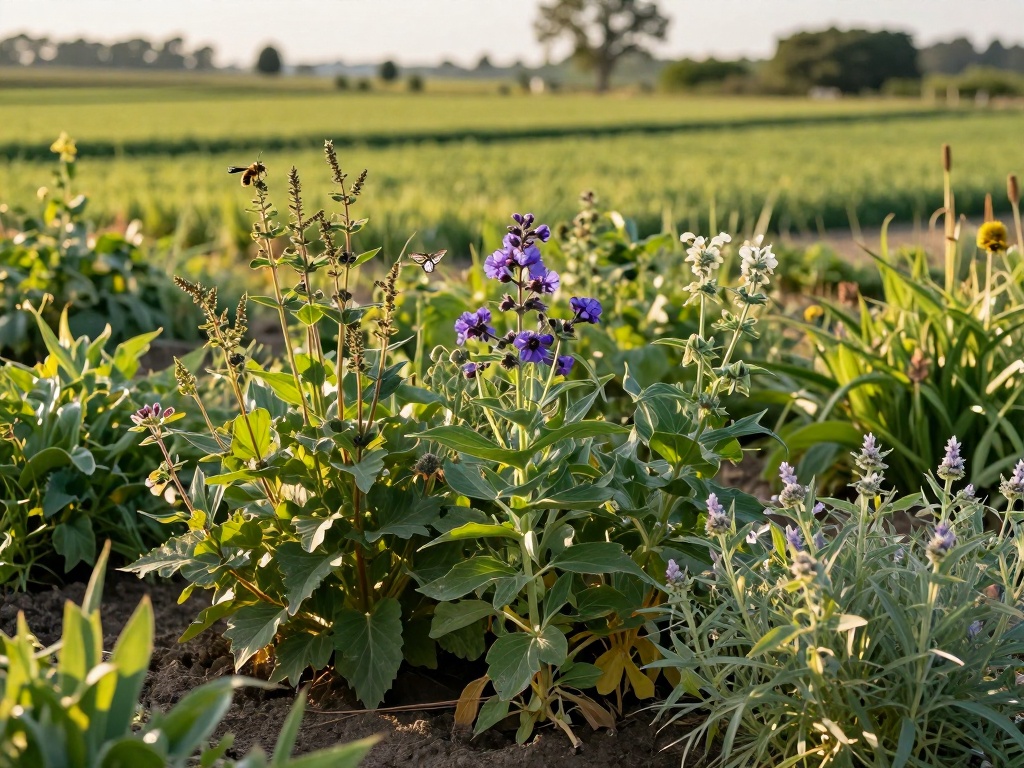
Creating a native plants pollinator garden is one of the most rewarding investments you can make for local ecosystems. Native plants have evolved alongside native pollinators for thousands of years, making them perfectly adapted to attract and support bees, butterflies, hummingbirds, and other essential pollinators. By choosing plants naturally suited to your region, you can create a thriving garden that requires less water, fewer pesticides, and minimal maintenance while providing maximum benefits to wildlife.
Why Choose Native Plants for Your Pollinator Garden?
Native plants offer countless advantages over non-native species. These plants have developed natural defenses against local pests and diseases, reducing the need for chemical interventions. They are also drought-tolerant once established, conserving water and lowering your garden maintenance costs. Most importantly, native pollinators have co-evolved with these plants, meaning they recognize the flowers, understand their nectar patterns, and can efficiently collect pollen and nectar to sustain their populations.
Research from the USDA Forest Service confirms that native gardens support up to 10 times more pollinator species than non-native garden plantings. When you plant a native plants pollinator garden, you are directly contributing to biodiversity conservation and food security in your area.
Benefits for Local Ecosystems
Native plants provide essential habitat for pollinators at every stage of their life cycles. Butterflies need specific host plants for their caterpillars, while bees require diverse flowering plants that bloom throughout the growing season. By incorporating natives into your landscape, you create corridors of habitat that help pollinator populations thrive and migrate safely.
Environmental and Economic Advantages
Establishing a native plants pollinator garden reduces your carbon footprint by eliminating the need for gas-powered lawn equipment and chemical fertilizers. These gardens also lower your water bills since native plants are adapted to local rainfall patterns. The initial investment pays dividends within just a few seasons as your garden becomes self-sustaining.
Top 10 Native Plants for Your Pollinator Garden
1. Purple Coneflower (Echinacea purpurea)
Purple coneflower is a must-have for any native plants pollinator garden. This hardy perennial blooms from mid-summer through fall, providing nectar when many other plants have finished flowering. Bees and butterflies are irresistibly drawn to its showy purple petals and prominent central cone. Coneflowers also self-seed readily, expanding your garden naturally year after year.
2. Black-Eyed Susan (Rudbeckia hirta)
Black-eyed Susan offers cheerful yellow blooms that light up any garden from early summer until frost. This tough native tolerates poor soil, drought, and heat with ease. Goldfinches love feasting on its seed heads in fall and winter, adding bird watching to your garden's attractions. Plant it in mass plantings for maximum visual impact.
3. Milkweed (Asclepias spp.)
Milkweed is the single most important plant for monarch butterfly conservation. Without milkweed, monarchs cannot complete their life cycle since it's the only plant where they lay their eggs and the food source for their caterpillars. Swamp milkweed and butterfly weed are excellent garden varieties that are less aggressive than common milkweed while providing the same essential habitat benefits.
4. Bee Balm (Monarda didyma)
Bee balm lives up to its name by attracting hordes of bees, hummingbirds, and butterflies with its vibrant tubular flowers. Native to eastern North America, this aromatic plant prefers moist soil and partial shade. Deadhead spent blooms to encourage continuous flowering throughout the summer months.
5. Wild Bergamot (Monarda fistulosa)
Wild bergamot offers lavender-purple blooms that tolerate drought better than its cousin bee balm. Native bees, honeybees, and bumblebees all visit this plant eagerly. It also attracts beneficial insects that help control garden pests naturally. Wild bergamot thrives in full sun to part shade and adapts to various soil types.
6. Butterfly Bush (Buddleia) - Choose Native Alternatives
While the non-native butterfly bush has become popular, native alternatives like buttonbush (Cephalanthus occidentalis) and sweet pepperbush (Clethra alnifolia) support native pollinators much more effectively. Buttonbush produces distinctive spherical flowers that attract swallowtail butterflies and hummingbirds beautifully.
7. Joe-Pye Weed (Eutrochium purpureum)
Joe-Pye weed commands attention with its towering height and massive flower clusters that can reach six feet tall. This native wildflower attracts swallowtail butterflies, monarchs, and many other pollinators with its sweet vanilla fragrance. It thrives in moist meadows and woodland edges, making it perfect for rain gardens or naturalized areas.
8. Goldenrod (Solidago spp.)
Goldenrod provides crucial late-season nectar that helps pollinators build reserves for winter. Many bee species, including honeybees and native solitary bees, rely heavily on goldenrod in fall. Its golden yellow plumes also attract numerous butterfly species. Canadian goldenrod and stiff goldenrod are excellent compact varieties for smaller gardens.
9. Cardinal Flower (Lobelia cardinalis)
Cardinal flower's brilliant red tubular blooms are a hummingbird favorite that also attracts swallowtail butterflies. Native to moist woodland areas, this striking plant prefers partial shade and consistent moisture. While short-lived, it readily self-seeds, maintaining its presence in your garden for years.
10. Wild Columbine (Aquilegia canadensis)
Wild columbine features unique red and yellow nodding flowers that attract long-tongued bumblebees and hummingbirds. This early-blooming perennial appears in spring when pollinators are emerging from hibernation, providing essential early-season food. It tolerates shade and rocky soil, making it perfect for woodland gardens.
Designing Your Native Plants Pollinator Garden
Layering for Continuous Blooms
The key to a successful native plants pollinator garden is providing blooms from early spring through late fall. Group plants by their bloom times: early bloomers like wild columbine and wild geranium support emerging pollinators, mid-season flowers like coneflower and bee balm sustain active populations, and late bloomers like goldenrod and aster provide crucial fall resources.
Sun and Shelter Considerations
Most pollinator plants prefer full sun exposure of at least six hours daily. Position your garden in a sunny location and include sheltered spots where butterflies can bask to warm their bodies. A south-facing wall or fence can provide both warmth and wind protection for delicate pollinators.
Water and Rest Stations
Pollinators need water sources like shallow dishes with pebbles or mud puddles. Create a dedicated water station with wet sand or gravel where bees can safely access moisture. Leave some bare soil areas for ground-nesting native bees, and include flat rocks where butterflies can rest and absorb minerals.
Maintaining Your Native Pollinator Garden
One of the greatest advantages of native plants is their low maintenance requirements. Once established, these plants need minimal intervention to thrive. Resist the urge to clean up garden beds completely in fall since many beneficial insects overwinter in plant stems and leaf litter. Wait until spring temperatures consistently reach 50 degrees before removing last year's growth.
Avoid all pesticides in your native plants pollinator garden, including organic options that can harm pollinators. Instead, embrace some aesthetic imperfection as part of supporting healthy ecosystems. Native plants have evolved to handle local pests naturally, and beneficial insects will help maintain balance without intervention.
The Impact of Your Native Plants Pollinator Garden
Every native plants pollinator garden makes a difference in supporting declining pollinator populations. According to the Xerces Society,.native gardens and habitat restorations can support hundreds of pollinator species in urban and suburban areas alone. By transforming even a small lawn or garden bed into native plantings, you contribute to larger conservation efforts and help create connected corridors of habitat across neighborhoods.
Your garden becomes a living classroom where children and adults alike can observe the fascinating interactions between plants and pollinators. Watch monarchs lay eggs on milkweed, bumblebees performing buzz pollination on tomato flowers, and hummingbirds darting between cardinal flowers. These experiences create lasting connections to nature and inspire further conservation action.
FAQ
What are the best native plants for a beginner pollinator garden?
Start with purple coneflower, black-eyed Susan, bee balm, and milkweed. These plants are widely adapted, easy to find at native plant nurseries, and extremely reliable at attracting pollinators. They tolerate a range of soil conditions and require minimal maintenance once established.
How much space do I need for a native pollinator garden?
You can create an effective native plants pollinator garden in containers, raised beds, or small backyard plots. Even a 4x8 foot garden bed with 5-6 native plant species can support significant pollinator populations. The key is providing diverse bloom times rather than covering large areas.
When is the best time to plant native plants for pollinators?
Fall is ideal for planting most native perennials as it allows root systems to establish before summer stress. Spring planting also works well if you water regularly during establishment. Container-grown natives can be planted throughout the growing season with proper care.
Do native pollinator gardens attract unwanted pests?
Healthy native plant ecosystems include some pest populations, but beneficial insects typically keep them in balance. Avoid chemical treatments that harm pollinators, and embrace natural pest control. You may notice caterpillars eating milkweed leaves—this is essential for monarch reproduction, not a problem to solve.
No comments