
Sorghum Seeding for Drought-Resistant Pastures: 2024 Pro Tips
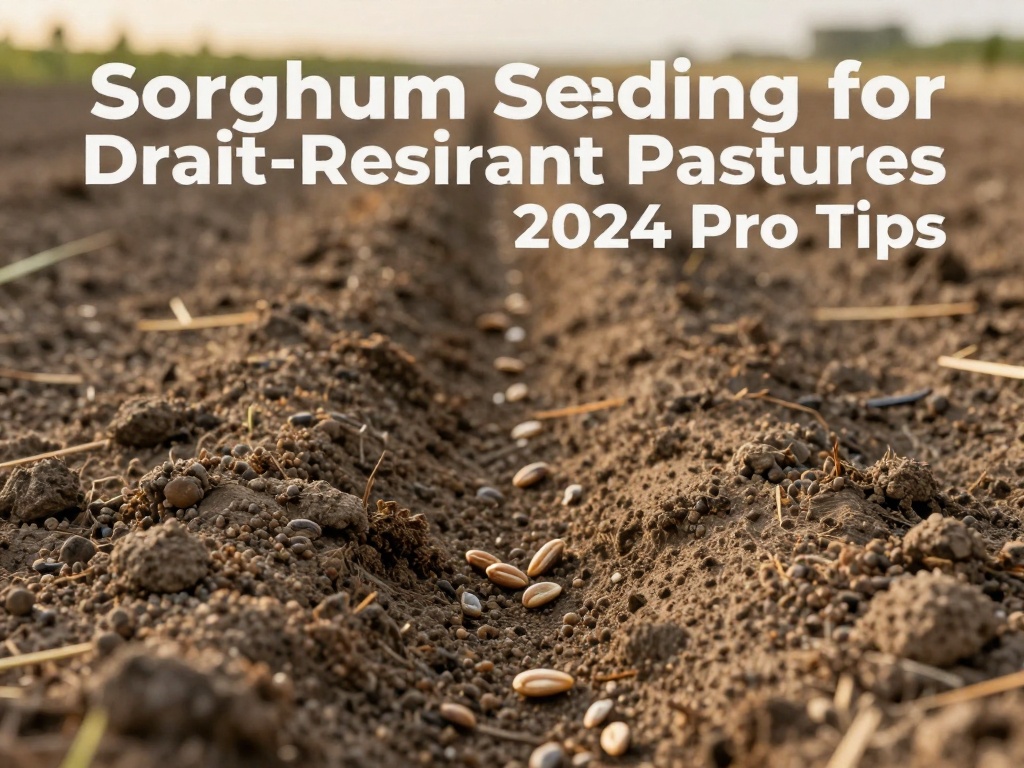
Sorghum Seeding for Drought-Resistant Pastures: 2024 Pro Tips
Sorghum seeding for drought-resistant pastures is a game-changing strategy for farmers facing increasing aridity and unpredictable rainfall across North America’s grazing regions. The USDA reports that sorghum uses 30% less water than corn, making it a reliable forage option for pastures that regularly experience mid-season droughts. This warm-season grass also tolerates poor soil quality, outperforming most common pasture grasses in low-moisture, low-nutrient environments.
Core Benefits of Sorghum Pastures for Dryland Farming
Lower Water Requirements Without Sacrificing Forage Yield
Unlike cool-season grasses that wilt during prolonged dry spells, sorghum maintains active growth through 4-6 week drought periods, per University of Nebraska-Lincoln extension data. Forage sorghum produces up to 8 tons of dry matter per acre, matching the yield of irrigated fescue pastures while using a third less water. This makes it ideal for farmers who cannot rely on supplemental irrigation for grazing lands.
Improved Livestock Performance and Pasture Longevity
Sorghum forage has a crude protein content of 10-14%, which meets the nutritional needs of beef cattle, sheep, and goats, even during late-season grazing. It also regrows quickly after grazing, extending the pasture’s productive season by 6-8 weeks compared to traditional drought-prone grasses. Farmers can rotate livestock through sorghum pastures to reduce overgrazing, extending the life of their grazing lands by 3+ years.
Step-by-Step Sorghum Seeding Best Practices for Pastures
Select the Right Sorghum Variety for Your Region
Not all sorghum varieties work well for pastures. For grazing, choose forage sorghum, sudangrass, or sorghum-sudangrass hybrids, which are bred to be leafy, digestible, and tolerant of frequent grazing. The University of Georgia extension recommends drought-tough hybrids like ‘NXG-111’ for Southern drylands and ‘Forager SS’ for Northern Great Plains pastures. Avoid grain sorghum varieties, which produce fewer leaves and are less suitable for continuous grazing.
Optimize Seeding Time and Rate for Maximum Establishment
Sorghum is a warm-season grass, so seed only after soil temperatures reach 60°F (15°C) to avoid rot and poor germination. For most U.S. regions, this falls between mid-May and early June. The standard seeding rate for pastures is 15-20 pounds of seed per acre for broadcast seeding, or 10-15 pounds per acre for drilled seeding. Drilling seed 1-1.5 inches deep improves germination rates by 22% compared to broadcasting, per Texas A&M AgriLife research.
Post-Seeding Care to Ensure Stand Establishment
After seeding, avoid grazing the sorghum until it reaches 18-24 inches tall to allow root systems to establish fully. Test soil nitrogen levels before planting, and add 50-60 pounds of nitrogen per acre to support robust growth. Sorghum is relatively pest-resistant, but monitor for aphids during the first 6 weeks of growth to prevent stand loss that can leave pastures vulnerable to weeds.
Frequently Asked Questions
How long do sorghum pastures remain productive each growing season?
Sorghum pastures stay productive from the time they reach grazing height (around 6 weeks after seeding) until the first hard frost of fall, roughly 4-5 months of productive grazing in most U.S. regions. In frost-free Southern regions, sorghum pastures can stay productive for up to 7 months with proper rotational grazing.
Can I interseed sorghum with other plants to improve pasture drought resistance?
Yes, sorghum pairs well with warm-season legumes like cowpeas or lablab, which fix nitrogen in the soil to boost sorghum growth while adding extra protein to the forage mix. This interseeding approach reduces the risk of total stand loss during extreme drought events by 30%, per USDA Sustainable Agriculture Research and Education (SARE) data.
Is sorghum safe for all types of livestock to graze?
Most modern forage sorghum hybrids are bred to have low levels of prussic acid, a toxic compound that can harm livestock if consumed in large quantities. Always test new hybrids for prussic acid levels before planting, and avoid grazing frosted sorghum, as frost can trigger a temporary spike in the toxin. When managed correctly, sorghum is safe for beef cattle, dairy cows, sheep, and goats.
No comments