
Asparagus Bed Preparation for Perennial Yields: 2024 Pro Guide
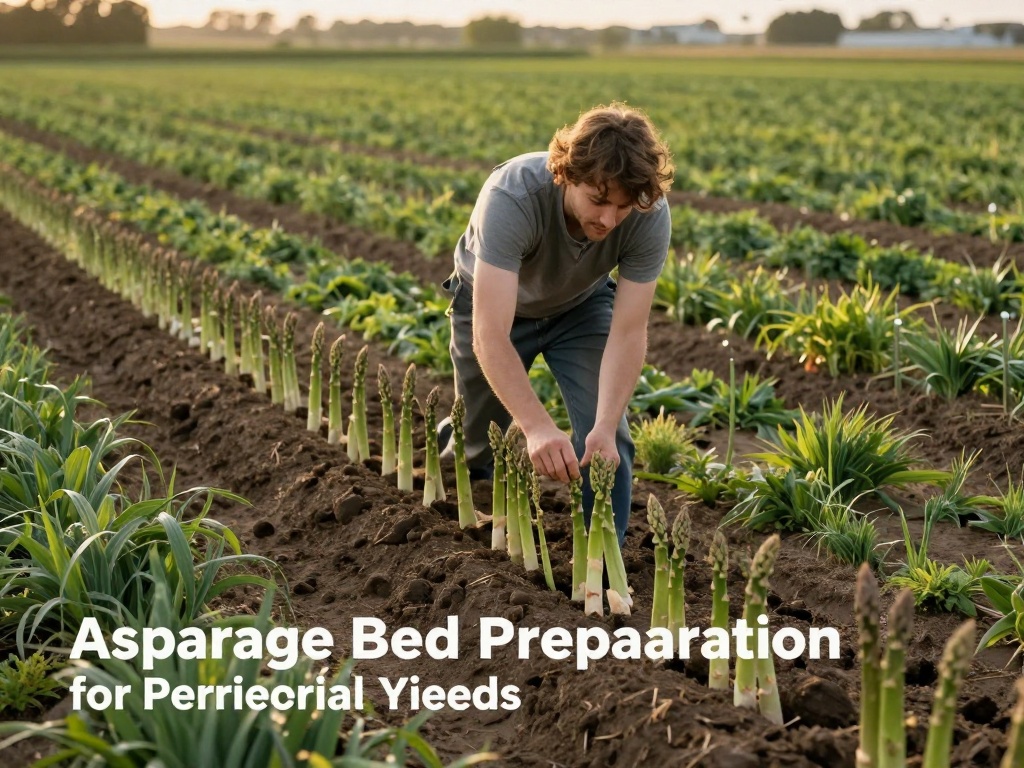
Asparagus Bed Preparation for Perennial Yields: 2024 Pro Guide
Asparagus is a long-lived perennial crop that can produce high-quality spears for 10 to 20 years if you nail asparagus bed preparation for perennial yields from the start. Unlike annual vegetables that you replant every year, asparagus beds demand upfront investment to create a low-maintenance, productive space that delivers returns for decades. The University of Illinois Extension reports that properly prepared asparagus beds outyield poorly set up beds by 40% over their lifespan, making the initial work well worth the effort.
Key Pre-Planting Steps for a High-Yield Asparagus Bed
Test and Amend Your Soil First
Asparagus thrives in well-draining, loamy soil with a pH between 6.5 and 7.0, so soil testing is non-negotiable before you break ground. Acidic soil can stunt root growth and increase the risk of fungal diseases that can wipe out your perennial asparagus patch. If your soil is too acidic, add 2 to 3 pounds of limestone per 100 square feet to raise pH levels to the ideal range 3 to 6 months before planting.
Choose a Full-Sun, Weed-Free Location
Asparagus needs a minimum of 8 hours of direct sunlight daily to produce robust spears and build strong root systems. Avoid low-lying areas that hold water after rain, as soggy soil will cause asparagus crowns to rot within their first growing season. Pick a spot that is free from perennial weeds like thistles and bindweed, which will compete with your asparagus for nutrients for years if not eradicated upfront.
Step-by-Step Bed Construction for Long-Term Productivity
Build a Raised Bed for Optimal Drainage
Raised beds are the gold standard for asparagus production, as they eliminate the risk of standing water that harms crowns. Build a bed that is 4 feet wide and 12 inches tall, which allows you to reach all plants without stepping on compacted soil. Fill the bed with a mix of topsoil, compost, and aged manure to create a nutrient-rich growing medium that supports extensive root growth.
Plant Crowns Correctly to Establish Perennial Growth
Dig 12-inch deep, 18-inch wide trenches in your prepared bed, spacing trenches 3 feet apart to give asparagus roots room to spread over decades. Create a 2-inch tall mound of soil at the bottom of each trench, then set 1-year-old asparagus crowns on top of the mound, spreading their roots out evenly. Fill the trench with 2 inches of soil initially, adding more soil gradually as spears grow throughout the first season to avoid burying new growth.
Post-Planting Care to Protect Perennial Yields
The first two years of your asparagus bed’s life are for root establishment, so avoid harvesting any spears during this period to let the plants build up energy reserves. Add a 3-inch layer of straw mulch each spring to suppress weeds, retain soil moisture, and add organic matter as it breaks down. Each year, top-dress your bed with 1 pound of 10-10-10 fertilizer per 100 square feet in early spring before spears emerge, a recommendation from the USDA’s National Agricultural Statistics Service.
Frequently Asked Questions
How long does it take for a newly prepared asparagus bed to produce harvestable spears?
Most properly prepared asparagus beds produce their first full harvest in the third year after planting. You can harvest lightly for 2 to 3 weeks in the third year, increasing the harvest window to 8 to 10 weeks by the fifth year as the crowns reach full maturity.
Can I interplant other crops in my asparagus bed to save space?
It is not recommended to plant high-nutrient demanding crops in your asparagus bed, as asparagus needs exclusive access to soil nutrients and space to spread its extensive root system. You can plant low-growing pest-repelling herbs like chives around the edge of the bed without risking competition for resources.
What is the most common threat to perennial asparagus yields?
Poor drainage and weed encroachment are the top threats to long-term asparagus yields. Proper raised bed construction solves drainage issues, while annual mulching and early spring weed removal prevent invasive plants from overtaking the bed. Asparagus beetles can also reduce yields, but regular inspection and organic neem oil treatments can control infestations easily.
No comments