
Oat Seeding for Winter Livestock Fodder: 2024 Proven Guide to Boost Herd Health
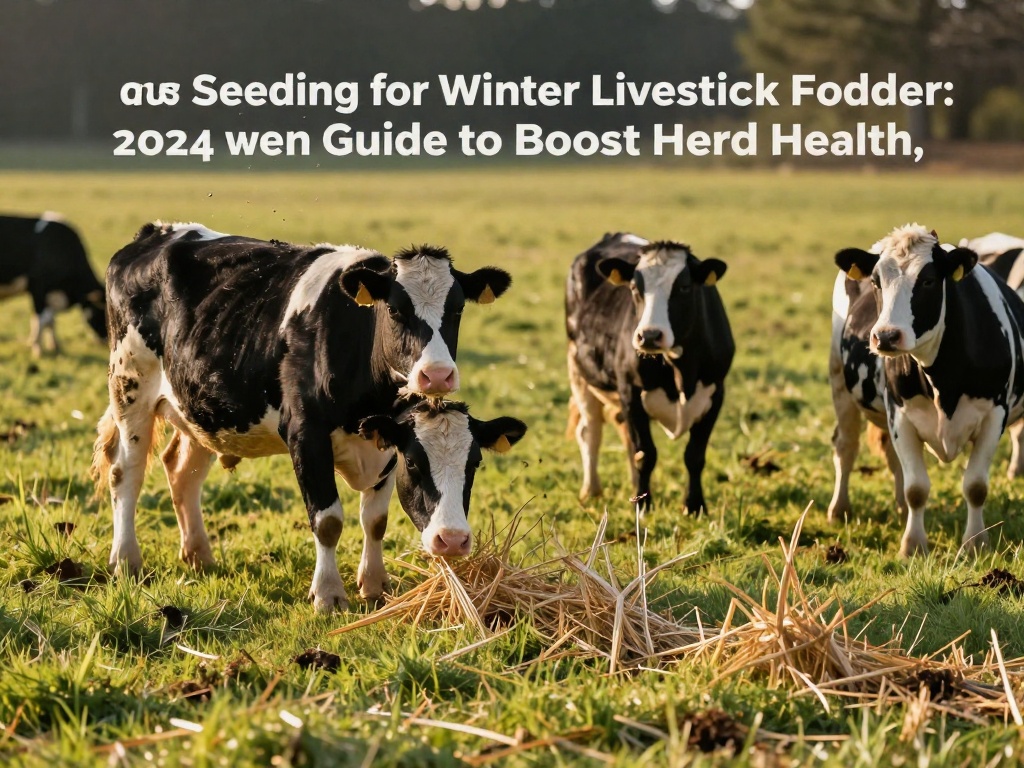
Oat Seeding for Winter Livestock Fodder: 2024 Proven Guide to Boost Herd Health
Oat seeding for winter livestock fodder is a cost-effective strategy for small and mid-sized livestock farms across North America and Europe. According to the USDA, winter fodder oats can reduce commercial feed costs by up to 35% for cattle, sheep, and goat herds, while providing high-nutrient forage that supports weight gain and immune function. Unlike stored hay or silage, properly seeded winter oat fodder remains fresh and accessible for grazing or green-chop harvesting through late fall and early winter.
Key Benefits of Winter Oat Fodder for Livestock Operations
High Nutritional Value for Cold-Weather Herd Needs
Winter oat fodder contains 12-16% crude protein, per data from the University of Minnesota Extension, which meets the minimum nutrient requirements for growing cattle and lactating ewes. It also has high digestible energy levels, helping herds maintain body temperature during frigid winter months when calorie needs rise by 20-30%.
Lower Feed Costs Compared to Traditional Winter Feed Sources
A 2023 farm economic survey from Penn State found that growing winter oat fodder costs $0.08 per pound of dry matter, compared to $0.18 per pound for commercial alfalfa hay. This gap translates to thousands of dollars in annual savings for farms with 50+ head of cattle. Many farmers also reduce labor costs associated with hauling and storing large volumes of hay through the winter.
Step-by-Step Guide to Successful Oat Seeding for Winter Fodder
Select the Right Oat Variety for Your Climate
Not all oat varieties are suited for winter fodder production. Northern growers in USDA zones 3-5 should choose winter-hardy varieties like Hayden or Wintok, which can survive temperatures as low as -15°F with a light snow cover. Southern growers in zones 6-8 can opt for faster-maturing varieties like ForagePlus, which produce high biomass before the first hard frost.
Time Your Seeding for Optimal Growth Before Frost
Seeding timing is the most critical factor for successful winter oat fodder. University of Illinois Extension recommends seeding 6-8 weeks before your area’s average first frost date. This window gives oats enough time to grow 12-18 inches tall, the ideal height for grazing or harvesting. Seeding too late results in stunted growth that cannot support herd forage needs, while seeding too early can lead to heat stress that reduces biomass production.
Calculate Seeding Rates and Soil Requirements
For grazing operations, use a seeding rate of 2-2.5 bushels per acre, per USDA guidelines. If you plan to harvest the oats for green chop or silage, increase the rate to 3 bushels per acre to maximize biomass. Oats prefer well-drained loam soil with a pH between 5.5 and 7.0, and require 40-60 pounds of nitrogen per acre to support healthy growth. Conduct a soil test 3 months before seeding to address any nutrient deficiencies.
Post-Seeding Management to Protect Fodder Yields
After seeding, monitor soil moisture levels to ensure oats get 1 inch of water per week during their early growth stage. Use a light layer of straw mulch to retain moisture and prevent weed growth in areas with low rainfall. Scout your fields regularly for common pests like armyworms or oat rust, which can reduce fodder yields by up to 40% if left untreated. Most small-scale farmers use organic copper-based fungicides to manage rust, which avoids leaving harmful residues on forage consumed by livestock.
Frequently Asked Questions About Oat Seeding for Winter Livestock Fodder
Can winter oat fodder survive heavy snow cover?
Winter-hardy oat varieties can survive up to 3 months of consistent snow cover, as long as the soil does not freeze solid for extended periods. Snow acts as an insulator, protecting oat crowns from extreme temperature swings. If your area experiences frequent freeze-thaw cycles, add a light nitrogen top-dress 2 weeks after snow melt to support regrowth for late-winter grazing.
What types of livestock can eat winter oat fodder?
Winter oat fodder is safe for all common ruminant livestock, including beef and dairy cattle, sheep, and goats. It is not recommended for non-ruminants like pigs, as the high fiber content can lead to digestive issues. Always introduce new forage to herds gradually over 7-10 days to avoid bloating or stomach upset.
Can I mix oats with other crops to boost winter fodder quality?
Yes, many farmers mix oats with winter legumes like hairy vetch or crimson clover to increase the protein content of their fodder. A 70/30 mix of oats to vetch increases crude protein levels by 4-5%, per University of Wisconsin research, while also reducing nitrogen fertilizer needs for future crops. This mix is ideal for dairy farms that require high-nutrient forage for lactating cows.
No comments