
Carrot Thinning for Uniform Root Development: 2024 Pro Guide to Higher Yields
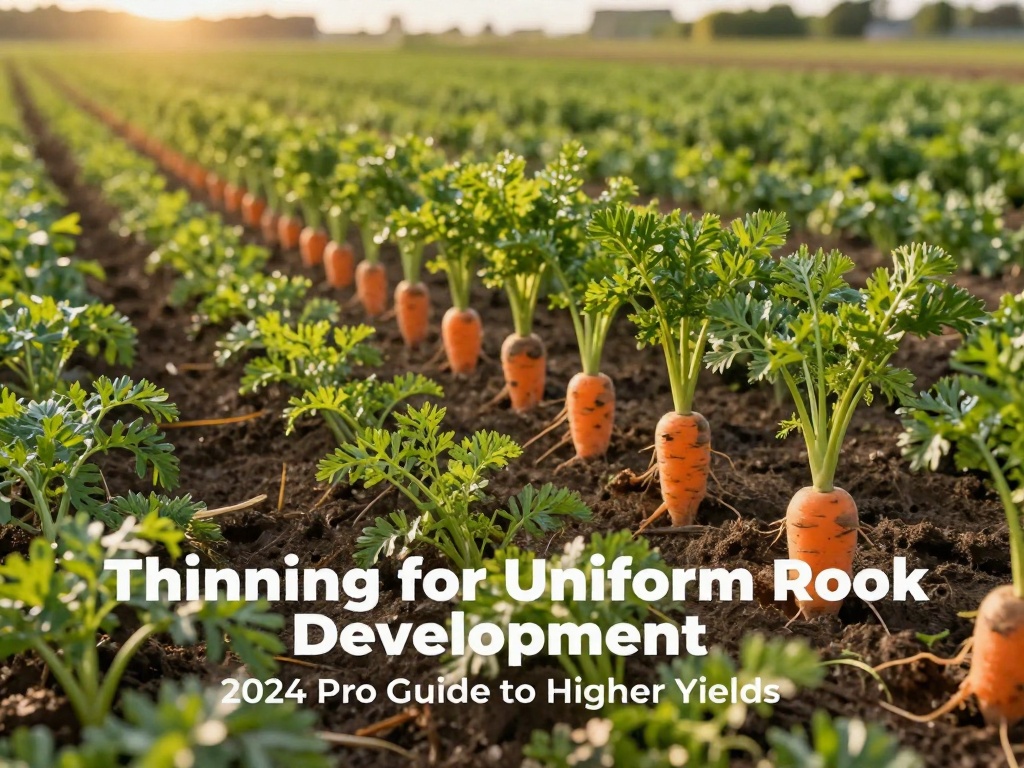
Carrot Thinning for Uniform Root Development: 2024 Pro Guide to Higher Yields
Carrot thinning for uniform root development is a non-negotiable step for commercial and home growers alike who want to avoid stunted, twisted, or undersized root crops. Carrot seeds are tiny, so most gardeners and farmers sow them densely to guarantee good germination, which leads to overcrowding if left unaddressed. Overcrowded carrots compete for sunlight, water, and soil nutrients, leading to inconsistent harvests that lose value at market or disappoint home growers.
Why Carrot Thinning Directly Impacts Root Uniformity
A 2023 study from the University of Minnesota Extension found that overcrowded carrot plots produce 40% more misshapen roots than properly thinned plots. This is because carrots need enough underground space to expand their taproots without hitting neighboring plants. When roots collide, they twist, fork, or stop growing entirely, leading to wasted harvest space and reduced profits for commercial growers.
Key Resources Competing for in Overcrowded Plots
- Soil nitrogen and phosphorus, which are critical for root cell expansion
- Subsoil moisture, which carrots rely on to grow straight and plump
- Above-ground sunlight for leafy top growth that fuels root development
Step-by-Step Carrot Thinning Process for Perfect Uniformity
Time Your First Thin for Early Root Establishment
The first thinning should happen when carrot seedlings reach 2 to 3 inches tall, usually 10 to 14 days after germination. At this stage, you can pull the weakest seedlings to leave 1 to 2 inches of space between each remaining plant. This early spacing prevents root tangling before it starts, setting the stage for uniform growth.
Complete a Second Thin to Lock in Final Spacing
3 to 4 weeks after your first thin, when carrot tops are 4 to 5 inches tall, complete a second thinning to leave 3 to 4 inches between plants. The exact spacing depends on your carrot variety: heirloom large carrots need 4 inches, while mini snack carrots only need 2 inches. Pull the extra seedlings carefully to avoid disturbing the roots of the plants you’re keeping.
Best Practices to Avoid Damaging Remaining Seedlings
Water your plot thoroughly 1 hour before thinning to loosen the soil, making it easier to pull extra seedlings without yanking neighboring plants. Thin on a cloudy day or in the late afternoon to avoid shocking remaining seedlings with direct, hot sun after they’ve been exposed to air during the thinning process. You can add the thinned tender greens to salads or compost them to reduce waste on your farm.
Pro Tips to Boost Uniformity Beyond Thinning
Even perfect thinning won’t deliver uniform roots if your growing conditions are subpar. The University of California Agriculture and Natural Resources recommends growing carrots in loose, stone-free sandy loam soil to eliminate obstacles that can cause roots to fork. Add a 2-inch layer of compost before planting to boost soil nutrient levels without overloading the soil with nitrogen, which can cause hairy roots.
Consistent watering is also key: aim for 1 inch of water per week, delivered via drip irrigation to keep soil moisture levels even. Fluctuations in moisture can lead to split or stunted roots, even if your plants are spaced correctly. Use a mulch layer of straw around your carrot tops to lock in moisture and suppress weeds that would compete for resources.
Carrot thinning is a low-effort, high-reward step that can turn a patchy harvest into a consistent, profitable crop for any grower. By following the spacing and timing guidelines above, you can unlock uniform root development that meets market standards and maximizes your plot’s yield potential.
Frequently Asked Questions
Can I skip thinning carrots if I use a precision seeder?
While precision seeders reduce overcrowding, they still have a 10 to 15% error rate that can lead to clustered seeds. A quick thin to fix any remaining clusters will still deliver far better uniformity than skipping the step entirely.
What happens if I leave carrots overcrowded all season?
Overcrowded carrots produce mostly small, twisted, or forked roots that are unmarketable for commercial growers. You may also see higher rates of pest and disease issues, as overcrowded plants have poor air circulation that fosters harmful fungal growth.
Is it better to snip or pull carrot seedlings when thinning?
Pulling is safe for young seedlings during the first thin. For older plants during the second thin, snip the stem at soil level with small, sharp scissors to avoid disturbing the roots of neighboring plants, reducing the risk of damaging your main crop.
No comments