
10 Essential Dahlia Planting Guide Spring Tips for 2026
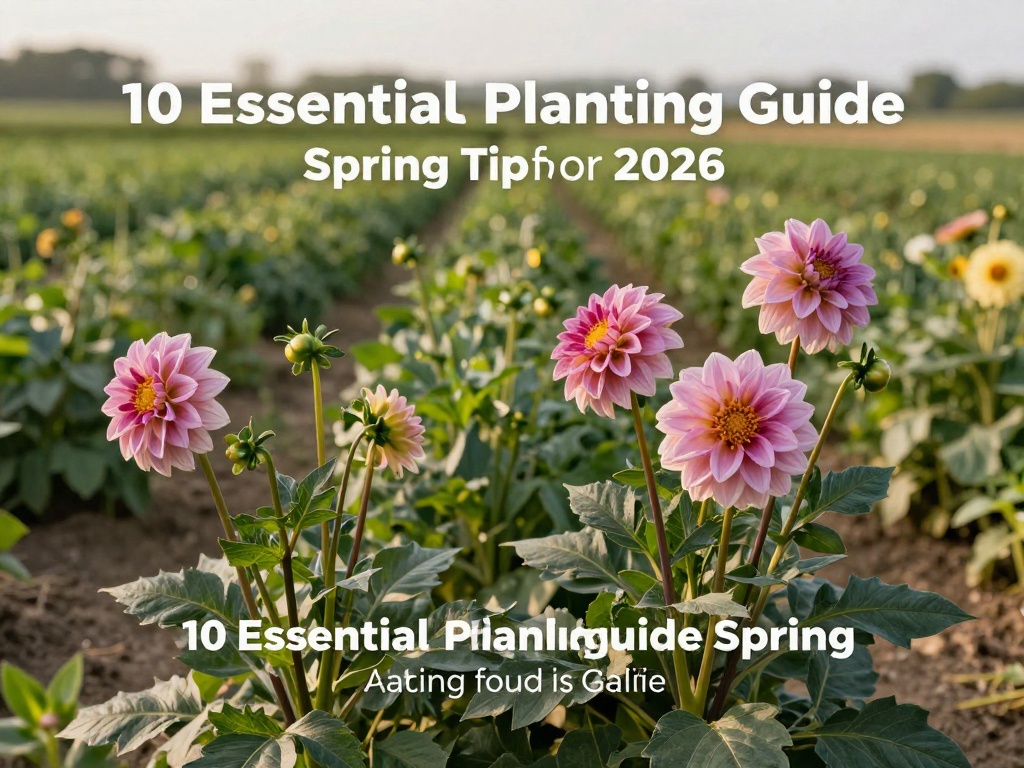
10 Essential Dahlia Planting Guide Spring Tips for 2026
Dahlias are the crown jewels of the summer garden, producing spectacular blooms in nearly every color imaginable. This dahlia planting guide spring essentials will help you transform your garden into a vibrant showcase of these magnificent flowers. Whether you're a seasoned gardener or planting dahlias for the first time, proper spring preparation is the secret to achieving armfuls of cut flowers from midsummer through the first fall frost.
Why Spring is the Perfect Time to Plant Dahlias
Spring offers ideal conditions for starting dahlias because soil temperatures finally reach the minimum 60°F (15°C) that tubers need to awaken from dormancy. This dahlia planting guide spring approach ensures your tubers have ample time to establish strong root systems before channeling energy into producing those famous show-stopping blooms. Planting too early in cold, waterlogged soil leads to rot, while waiting until late spring means shorter blooming periods.
Understanding Your Climate Zone
Your USDA Hardiness Zone determines the safest planting window for dahlias in your region. Zones 7 and warmer can typically plant outdoors by mid-April, while Zones 3-6 should wait until late May or early June after all frost danger passes. Gardeners in Zones 8-9 can often plant as early as March and enjoy extended blooming seasons lasting well into November.
Counting Backward from Last Frost
For most temperate regions, count backward approximately two weeks from your average last spring frost date to determine when to start tubers indoors. This 14-day head start allows young plants to develop while outdoor conditions remain too unpredictable for direct garden planting. Transplant seedlings outdoors once soil temperatures consistently exceed 60°F and nighttime lows stay above 50°F.
Selecting the Best Dahlia Varieties for Your Garden
The dahlia family includes 42 species and thousands of cultivars, ranging from compact 12-inch border plants to towering 6-foot specimen plants with dinner-plate sized blooms. This dahlia planting guide spring selection process should match variety characteristics to your garden's specific conditions and aesthetic goals.
Classification by Bloom Size
Dahlias are categorized into groups based on bloom diameter, from dainty pompons under 3 inches to massive dinner-plate varieties exceeding 12 inches across. Small-flowered types like pompons, ball dahlias, and collarettes prove more weather-resistant and produce more blooms per plant. Large dinner-plate varieties create dramatic focal points but require staking and offer fewer individual flowers.
Best Beginner-Friendly Varieties
If you're new to growing dahlias, start with proven performers like 'Bishop of Llandaff' (scarlet blooms on dark foliage), 'Thomas Edison' (deep purple, 8-inch blooms), or 'Café au Lait' (cream and blush, incredibly popular for arrangements). These varieties demonstrate excellent disease resistance, vigorous growth, and abundant flowering even when basic care isn't perfectly executed.
Preparing the Perfect Planting Site
Dahlias demand full sun exposure—at minimum six hours of direct sunlight daily—to produce the quantity and quality of blooms that make them worth growing. Select a location receiving morning sun to dry dew from leaves quickly, reducing fungal disease pressure. This essential step in the dahlia planting guide spring process prevents countless problems later in the season.
Soil Requirements and Amendments
These beauties require rich, well-draining soil with a slightly acidic to neutral pH between 6.0 and 7.0. Heavy clay soils cause tuber rot, while overly sandy soils dry too quickly and lack nutrients. Work 3-4 inches of compost into native soil, creating a loose, moisture-retentive growing medium that allows tubers to expand freely. Add a balanced organic fertilizer (like 5-10-10) at planting time to support initial growth.
Proper Spacing and Layout Planning
Dahlia spacing depends on mature plant size—compact varieties need 18-24 inches between plants, while giant dinner-plate types require 36-48 inches of personal space. Plan your layout with garden pathways accessing all plants for easy maintenance and harvesting. Consider staking tall varieties before or immediately after planting to avoid root damage from later installation.
How to Plant Dahlia Tubers Correctly
Proper planting technique forms the foundation of successful dahlia cultivation, directly influencing plant vigor, bloom production, and tuber preservation for winter storage. This dahlia planting guide spring method ensures your tubers emerge quickly and establish robust growth patterns.
Inspecting and Preparing Tubers
Before planting, examine each tuber carefully for signs of rot, mold, or damage—discard any compromised specimens. Healthy tubers feel firm and substantial, not soft or papery. If desired, dust cut surfaces with sulfur powder to prevent fungal infection. Do not break or cut tubers into smaller sections unless each piece has at least one visible eye (dormant bud), typically found near the crown where stems emerge.
Planting Depth and Orientation
Plant dahlia tubers horizontally, 4-6 inches deep, with the eye or growing point facing upward. The old gardener's saying "eyes to the sky" provides general guidance, but tubers are remarkably good at sending shoots upward regardless of orientation. Backfill with prepared soil, tamping gently to eliminate large air pockets, then water lightly to settle the planting zone.
The Hole Method
Dig individual holes 8-10 inches deep, creating a planting environment separate from surrounding soil. Fill the bottom 4 inches with amended soil or compost, place the tuber on this raised platform, then backfill to final grade. This technique is especially valuable in heavy soils, providing better drainage directly around the tuber during critical establishment periods.
Essential Care After Planting
Post-planting care determines whether your dahlias merely survive or truly thrive throughout the growing season. Consistent attention during the first 6-8 weeks after planting establishes the foundation for spectacular summer displays.
Watering Guidelines
Resist the urge to water immediately after planting unless soil is extremely dry—tubers contain sufficient moisture reserves to fuel initial growth, and excess moisture invites rot. Begin regular watering once shoots emerge, providing 1-2 inches of water weekly when rainfall is insufficient. Consistent moisture produces the most uniform, healthy growth, though dahlias tolerate brief dry spells once established.
Mulching Benefits
Apply 2-3 inches of organic mulch around dahlia plants after shoots reach 6 inches tall. Mulch conserves soil moisture, suppresses weeds, maintains cooler soil temperatures during summer heat, and gradually enriches soil as it decomposes. Straw, shredded bark, or compost all work excellently as dahlia-friendly mulching materials.
Pest and Disease Management
Monitor emerging dahlia plants for common pests including slugs, snails, and earwigs that target tender new growth. Apply organic slug bait or use beer traps for controlling mollusk populations. Watch for aphid infestation on developing buds and spray with strong water jets or insecticidal soap as needed. Good air circulation and avoiding overhead watering prevent fungal issues like powdery mildew.
Staking and Support for Tall Varieties
Most dahlia varieties exceeding 3 feet require structural support to prevent stems from snapping under wind stress or the weight of large blooms. Implementing support early prevents root damage and produces straighter, more marketable flower stems.
Support Methods
Bamboo stakes, metal rod supports, or decorative garden obelisks all serve effectively for dahlia support. Drive stakes 12-18 inches into soil at planting time, positioning them 2-3 inches from the tuber to avoid accidental puncture. Tie main stems loosely to supports using soft garden twine, leaving room for stem expansion. Repeat ties every 12-18 inches as plants grow taller.
The Tomato Cage Alternative
Large, sturdy tomato cages work wonderfully for supporting bushy dahlia varieties. Position the cage over the planted tuber, pushing legs firmly into soil. As dahlia stems grow through the cage openings, they receive natural support without individual ties. This method works particularly well for multiple-stemmed varieties producing numerous blooms simultaneously.
Harvesting and Maximizing Bloom Production
Regular harvesting encourages dahlia plants to produce additional blooms rather than setting seeds and signaling the end of flowering. Cut flowers early morning when water content is highest for longest vase life.
Deadheading Techniques
Remove spent blooms by cutting stem pairs back to the next set of lateral buds or leaf junction. This dahlia planting guide spring approach to maintenance keeps plants looking tidy and channels energy into producing new buds rather than developing seeds. Inspect plants every 2-3 days during peak bloom for the most abundant flower production.
Frequently Asked Questions
When should I start dahlia tubers indoors in spring?
Start dahlia tubers indoors 4-6 weeks before your last expected frost date, typically in early to mid-April for most temperate gardens. Plant them in pots with drainage holes using quality potting mix, place in a warm location (65-70°F), and provide bright light once shoots emerge. Transplant hardened-off seedlings outdoors after soil thoroughly warms.
Do dahlias come back every year or do I need to replant them?
Dahlias are tuberous perennials in USDA Zones 8-10 and may survive winter underground in these mild climates. In Zones 3-7, frost kills the tops and you must dig, store, and replant tubers each spring. Some gardeners in marginal zones report tubers surviving mild winters, but for reliable performance, digging and storing tubers is recommended.
Can I plant dahlia tubers directly in the ground or do they need pre-sprouting?
Dahlia tubers can be planted directly outdoors in warm soil (60°F+) after all frost danger passes. Pre-sprouting (starting indoors) provides a 4-6 week head start, resulting in earlier and longer blooming periods. Direct planting works well in regions with long growing seasons but may shorten the bloom window in short-season areas.
Why are my dahlia tubers rotting after planting?
Tuber rot typically results from excessive moisture, cold soil temperatures, or physical damage before planting. Ensure soil drains freely, wait until temperatures consistently exceed 60°F, handle tubers gently to avoid bruising, and plant at the correct 4-6 inch depth. Using well-draining amended soil and moderate initial watering prevents most rot problems.
No comments