
Strawberry Growing Hanging Baskets: Complete 2026 Guide
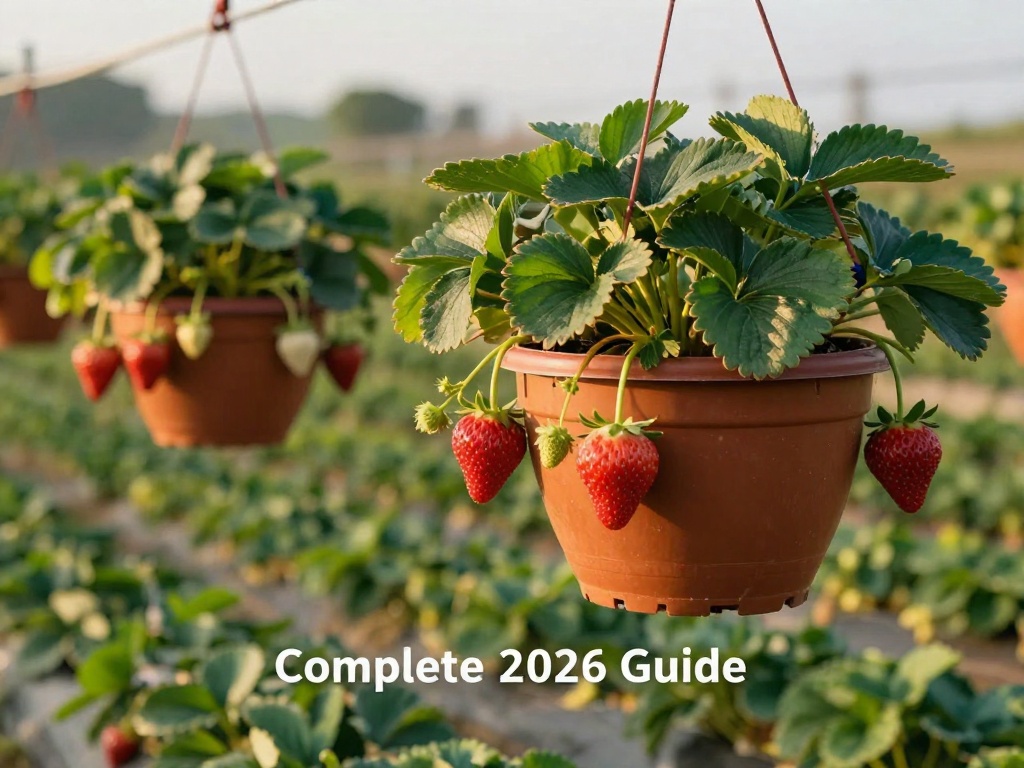
Strawberry Growing Hanging Baskets: Complete 2026 Guide
Strawberry growing hanging baskets transforms any patio, balcony, or porch into a productive berry garden. This space-saving technique delivers sweet, sun-ripened strawberries right at eye level while keeping fruits clean and away from pests. Whether you lack garden space or simply want to elevate your strawberry harvest, hanging baskets offer an elegant and practical solution that rewards gardeners with exceptional yields.
Why Choose Hanging Baskets for Strawberries
Hanging strawberry baskets maximize limited spaces beautifully. Urban gardeners, apartment dwellers, and anyone with poor soil can enjoy homegrown strawberries by suspending plants from overhead structures. The elevated position ensures excellent air circulation, which naturally reduces fungal disease problems that plague ground-level plantings.
Additionally, hanging baskets make harvesting effortless. No more bending or kneeling—berries hang within easy reach, encouraging regular picking that promotes continued fruit production. Birds and slugs also struggle to reach elevated fruits, resulting in cleaner harvests with less damage.
Space Efficiency Benefits
One hanging basket typically produces 1-2 pounds of strawberries per season. A single overhead beam or garden arch can support multiple baskets, creating a vertical strawberry garden that would require extensive ground space otherwise. This makes strawberry growing hanging baskets ideal for small yards, rooftop gardens, and indoor sunrooms.
Extended Growing Season Advantages
Portable hanging baskets allow you to move plants to optimize growing conditions. Bring containers indoors during unexpected frosts, shift them to follow sunlight patterns, or move them to protected areas during heavy rains. This flexibility extends your harvest window and protects plants from weather extremes.
Best Strawberry Varieties for Hanging Baskets
Not all strawberry varieties thrive in suspended containers. Day-neutral and everbearing types perform best because they produce fruits continuously throughout the season rather than集中在单一收获期. These varieties adapt better to container constraints and limited soil volume.
Top Recommendations
- Albion: This day-neutral variety produces large, sweet berries continuously from spring through fall. Plants are compact, disease-resistant, and exceptionally suited for containers.
- Seascape: A reliable everbearing variety with excellent flavor and strong disease resistance. Seascape tolerates varying temperatures and produces abundant runners that cascade beautifully over basket edges.
- Tristan: A compact, ornamental variety with deep pink flowers followed by sweet red berries. This eye-catching option doubles as an attractive hanging feature while producing delicious fruits.
- Eversweet: Specifically bred for hot climates, Eversweet thrives in hanging baskets and produces sweet berries throughout summer heat. Plants maintain vigor even in challenging conditions.
Avoid June-Bearing Varieties
June-bearing strawberries produce one massive crop in early summer but require specific day lengths to trigger flowering. These varieties typically underperform in containers and do not justify the limited space hanging baskets provide. Stick with everbearing and day-neutral types for consistent, extended harvests.
Materials and Setup for Strawberry Growing Hanging Baskets
Successful hanging basket strawberry cultivation requires appropriate containers, quality growing medium, and proper support infrastructure. Investing in correct materials from the start prevents problems later and ensures healthy, productive plants.
Choosing the Right Basket
Select baskets at least 12 inches in diameter and 8-10 inches deep. Wire mesh baskets lined with coconut coir or moss provide excellent drainage while retaining moisture. Plastic hanging pots work well too, though you may need to add extra drainage holes. Each basket accommodates 3-4 strawberry plants comfortably.
Essential Materials List
- Hanging basket with drainage (12-14 inches diameter)
- Quality potting mix formulated for containers
- Slow-release fertilizer pellets
- Strawberry plants or runners
- Water-retaining crystals (optional but recommended)
- Sturdy hooks and mounting hardware
Soil Mix Requirements
Strawberries demand well-draining, nutrient-rich growing medium. Use commercial potting soil mixed with equal parts perlite or coarse sand to ensure excellent drainage. Avoid garden soil, which compacts in containers and harbors disease organisms. Add slow-release fertilizer at the rate recommended for container vegetables to provide steady nutrition throughout the growing season.
Step-by-Step Planting Instructions
Proper planting technique establishes your hanging basket strawberry garden for success. Follow these steps carefully to give plants the best possible start and ensure vigorous growth throughout the season.
Planting Process
Begin by preparing your hanging basket. Place a layer of newspaper or cardboard over the bottom drainage holes to prevent soil loss while maintaining drainage. Fill the basket with your prepared soil mix to approximately 2 inches below the rim, leaving adequate space for watering.
Remove strawberry plants from their nursery containers gently, loosening roots if they appear rootbound. Plant at the same depth they grew previously—burying the crown too deeply causes rot. Position plants in a triangular pattern for even spacing, placing them so the crown sits just above the soil surface. Firm soil gently around roots and water thoroughly until moisture drains from the bottom.
Initial Care After Planting
Hang baskets in a location receiving at least 6-8 hours of direct sunlight daily. South-facing positions work best in most climates. Water immediately after planting and keep soil consistently moist but never waterlogged during the first two weeks while plants establish. Move baskets to their permanent display location once plants show new growth, indicating successful establishment.
Ongoing Care and Maintenance
Strawberry growing hanging baskets requires consistent attention to watering, feeding, and plant management. These suspended plants depend entirely on you for moisture and nutrients, making regular care essential for abundant harvests.
Watering Requirements
Container strawberries dry out faster than garden plants and require daily watering during hot weather. Check soil moisture by inserting your finger about an inch deep—if dry, water thoroughly until moisture runs through drainage holes. During peak summer heat, you may need to water twice daily. Mulching the soil surface with straw or shredded bark helps retain moisture and keeps roots cooler.
Feeding Schedule
Nutrients leach quickly from container soil, making regular fertilization critical. Apply liquid fertilizer diluted to half strength every two weeks during active growth and fruiting. Alternatively, supplement slow-release pellets with a biweekly seaweed or fish emulsion application. Avoid high-nitrogen fertilizers, which promote leafy growth at the expense of fruit production—choose formulations higher in potassium to support berry development.
Runner Management
Strawberry plants produce runners—long stems with baby plantlets—that can overwhelm hanging baskets. For maximum fruit production, remove runners as they appear, directing plant energy toward berry production instead. Some gardeners allow one or two runners to root in the basket, creating fuller displays, but this typically reduces overall yield. If you want more plants, let runners root in separate containers rather than cluttering your main basket.
Protecting Your Hanging Strawberry Garden
Hanging position provides natural protection against many pests and diseases, but some challenges remain. Proactive monitoring and prevention keep your strawberry basket thriving throughout the season.
Common Pests and Solutions
Aphids occasionally target strawberry plants and can be controlled with strong water sprays or insecticidal soap. Spider mites may appear during hot, dry conditions—increase humidity around plants and apply neem oil if infestations develop. Birds remain less problematic with elevated plants, but covering baskets with lightweight netting during ripening provides additional protection if needed.
Disease Prevention
Gray mold (botrytis) affects strawberries in humid conditions with poor air circulation. Hanging baskets naturally provide excellent airflow, reducing this risk significantly. Water at soil level rather than overhead to keep foliage dry, and remove any damaged or decaying fruits immediately. Crown rot occurs when plants sit in waterlogged soil—ensure your basket drains freely and never allow pots to stand in water.
Harvesting Your Hanging Basket Strawberries
Knowing when and how to harvest maximizes flavor and encourages continued production. Strawberries reach peak sweetness when fully red with no white or green remaining, typically 4-6 weeks after flowering.
Harvesting Best Practices
Pick berries in the morning when temperatures are cool for best flavor and shelf life. Grasp the stem just above the berry and twist gently, or use clean scissors to cut through the stem. Handle fruits carefully to avoid bruising. Harvest every 2-3 days during peak production to ensure optimal ripeness and encourage plants to continue fruiting.
Post-Harvest Storage
Fresh strawberries taste best when eaten within 1-2 days of harvest. Refrigerate unwashed berries in a single layer on paper towels, covering loosely with plastic wrap. For longer storage, freeze berries on baking sheets first, then transfer to freezer bags. Homemade jams and preserves capture the intense flavor of freshly picked hanging basket strawberries beautifully.
Overwintering Hanging Strawberry Baskets
In cold climates, strawberry growing hanging baskets requires special overwintering care. With proper protection, plants survive multiple years of productive harvests rather than requiring annual replacement.
Winter Care Steps
After the first hard frost, move baskets to an unheated garage or shed where temperatures remain consistently cold but above freezing. Check soil moisture monthly and water lightly if completely dry. In early spring, gradually reintroduce plants to outdoor conditions over 7-10 days to harden them off before resuming normal care.
Replanting Considerations
Container strawberries typically require refreshing every 2-3 years. After overwintering, assess plant vigor and decide whether to continue with established plants or start fresh with new stock. Old plants accumulate disease and lose productivity, making replanting with young, vigorous plants worthwhile for continued abundant harvests.
FAQ
How many strawberry plants can I grow in one hanging basket?
A 12-14 inch hanging basket accommodates 3-4 strawberry plants comfortably. Overcrowding reduces air circulation, increases disease risk, and limits fruit size. Three plants typically produce better results than four in the same space, giving each plant room to develop healthy foliage and abundant berries.
Do hanging basket strawberries need special care compared to garden strawberries?
Strawberry growing hanging baskets requires more frequent watering since container soil dries faster than garden beds. Fertilization also needs more attention as nutrients leach through drainage holes. Beyond these differences, basic care remains similar—ensure adequate sunlight, remove runners for maximum fruiting, and monitor for pests and diseases regularly.
Can I grow strawberries indoors in hanging baskets?
Strawberries can grow indoors in hanging baskets placed near sunny windows receiving 6-8 hours of direct light daily. South-facing windows work best. Supplement natural light with grow lights if needed. Indoor growing requires careful attention to pollination—gently shake flowering plants or use a small paintbrush to transfer pollen between flowers to ensure fruit set.
What is the best time to plant strawberry hanging baskets?
Plant strawberry hanging baskets in early spring after all frost danger passes, or in late summer for overwintering. Spring planting allows maximum growing time before fruiting begins. In mild climates without harsh winters, planting can occur nearly year-round. Container-grown strawberries offer flexibility that ground plantings cannot match.
No comments