
2024’s Best Organic Fungicide for Pepper Late Blight
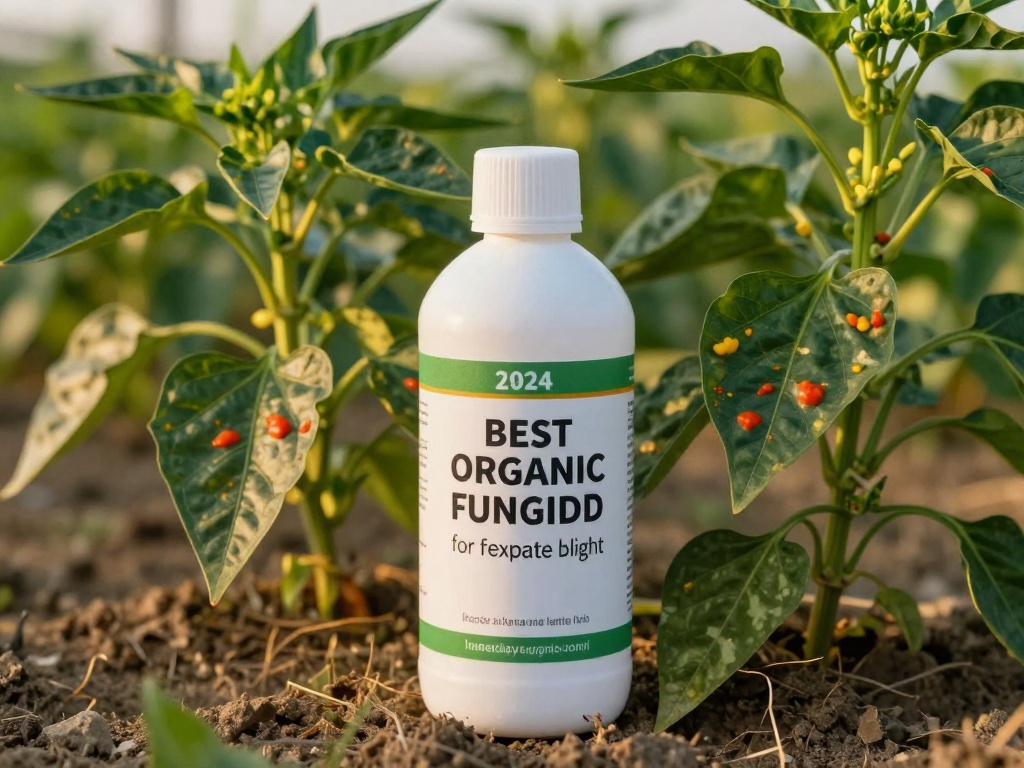
2024’s Best Organic Fungicide for Pepper Late Blight
Pepper late blight, caused by the water mold Phytophthora capsici, is one of the most destructive diseases for pepper crops worldwide. It spreads rapidly during warm, wet conditions, causing dark, water-soaked lesions on leaves, stems, and fruit that can destroy an entire harvest in days. Using organic fungicide for pepper late blight offers a safe, sustainable way to manage this disease without relying on synthetic chemicals that can harm beneficial insects and soil health.
What Is Pepper Late Blight?
This destructive fungal-like disease thrives in cool, moist soil and on leaf surfaces, spreading via splashing water and wind-driven rain. Early symptoms include small, dark spots on lower leaves that quickly expand into large, water-soaked patches. Infected fruit develops sunken, brown lesions that render peppers inedible.
The disease can overwinter in soil and plant debris, making it easy to reoccur in subsequent growing seasons. Left untreated, it can wipe out an entire pepper crop in just 5-7 days during ideal wet, warm conditions.
Why Choose Organic Fungicide for Pepper Late Blight?
Synthetic fungicides can effectively control late blight, but they often leave toxic residues on produce and harm pollinators like honeybees. Organic fungicide for pepper late blight uses natural, plant-based or microbial active ingredients that break down quickly in the environment.
They also comply with USDA organic farming standards, making them ideal for certified organic pepper growers. Many organic options also support soil microbial health rather than depleting it over time.
Top Organic Fungicides for Pepper Late Blight in 2024
Copper-Based Fungicides
Copper fungicides are one of the most widely recommended organic options for pepper late blight, per guidelines from the University of California Integrated Pest Management (UC IPM). They work by creating a protective barrier on plant surfaces to prevent fungal spores from germinating.
Look for products like copper sulfate or copper hydroxide, and apply them before infection occurs for best results. Avoid overusing copper, as it can build up in soil over time and harm beneficial soil organisms.
Bacillus amyloliquefaciens Products
This beneficial bacterium colonizes plant surfaces and outcompetes late blight spores, preventing them from infecting pepper plants. Products like Serenade ASO are popular organic options that also suppress other fungal and bacterial diseases.
They are safe for pollinators and can be applied up to the day of harvest without leaving harmful residues.
Homemade Organic Sprays
For home gardeners on a budget, homemade solutions like baking soda spray (1 tablespoon baking soda + 1 gallon water + a few drops of dish soap) or garlic spray can offer limited protection against late blight. These sprays work by altering the pH of plant surfaces to make them less hospitable to fungal spores.
Note that they are less effective than commercial organic fungicides and must be reapplied more frequently, every 5-7 days.
Neem Oil
Neem oil, derived from the neem tree, acts as both a fungicide and an insect repellent. It disrupts the growth and reproduction of late blight spores, while also deterring common pepper pests like aphids.
Mix neem oil with water and a spreader-sticker to ensure it adheres to plant leaves for full coverage.
How to Apply Organic Fungicide for Pepper Late Blight Effectively
Timing is critical when using organic fungicide for pepper late blight. Apply preventatively as soon as temperatures reach 60-80°F (15-27°C) and rainfall is expected, or when you first see signs of the disease.
Thoroughly coat both the upper and lower surfaces of leaves, stems, and developing fruit, as spores often land on undersides of foliage. Avoid spraying during midday sun, as this can cause leaf burn, and opt for early morning or late evening applications.
Repeat applications every 7 to 10 days, or immediately after heavy rain washes the fungicide off the plants.
Preventing Pepper Late Blight Beyond Fungicides
Organic fungicide for pepper late blight works best when paired with cultural prevention practices. Start by rotating pepper crops with non-solanaceous plants like corn or lettuce every 2-3 years to reduce soil-borne spore levels.
Space pepper plants at least 18-24 inches apart to improve air circulation, which dries leaf surfaces and slows spore spread. Use drip irrigation instead of overhead watering to avoid splashing water that carries spores.
Remove and destroy any infected plant debris immediately to prevent the disease from overwintering in your garden or field.
Managing pepper late blight doesn’t have to mean using harsh synthetic chemicals. By choosing the right organic fungicide for pepper late blight and pairing it with proactive cultural practices, you can protect your pepper crop and enjoy a healthy, bountiful harvest this growing season.
Frequently Asked Questions About Organic Fungicide for Pepper Late Blight
What is the most effective organic fungicide for pepper late blight?
The most effective organic fungicide for pepper late blight is a copper-based product, followed by Bacillus amyloliquefaciens formulations, per UC IPM research. These options offer the best balance of efficacy and safety for organic growing.
Can I use organic fungicide to treat existing pepper late blight infections?
Yes, but results vary depending on the severity of the infection. Copper and Bacillus-based fungicides can stop the spread of existing infections by preventing spore germination, but they cannot reverse damage already done to infected plant tissue. Remove severely damaged leaves or plants to improve the effectiveness of the fungicide.
How often should I apply organic fungicide for pepper late blight?
For optimal protection, apply organic fungicide every 7 to 10 days during warm, wet growing conditions. After heavy rainfall, reapply the fungicide immediately to replenish the protective barrier on plant surfaces.
Are organic fungicides safe for beneficial insects like bees?
Most organic fungicides are safe for bees when applied according to label directions, especially if sprayed during late evening or early morning when bees are not active. Copper-based fungicides have low toxicity to bees, while Bacillus-based products are non-toxic to all pollinators.
No comments